


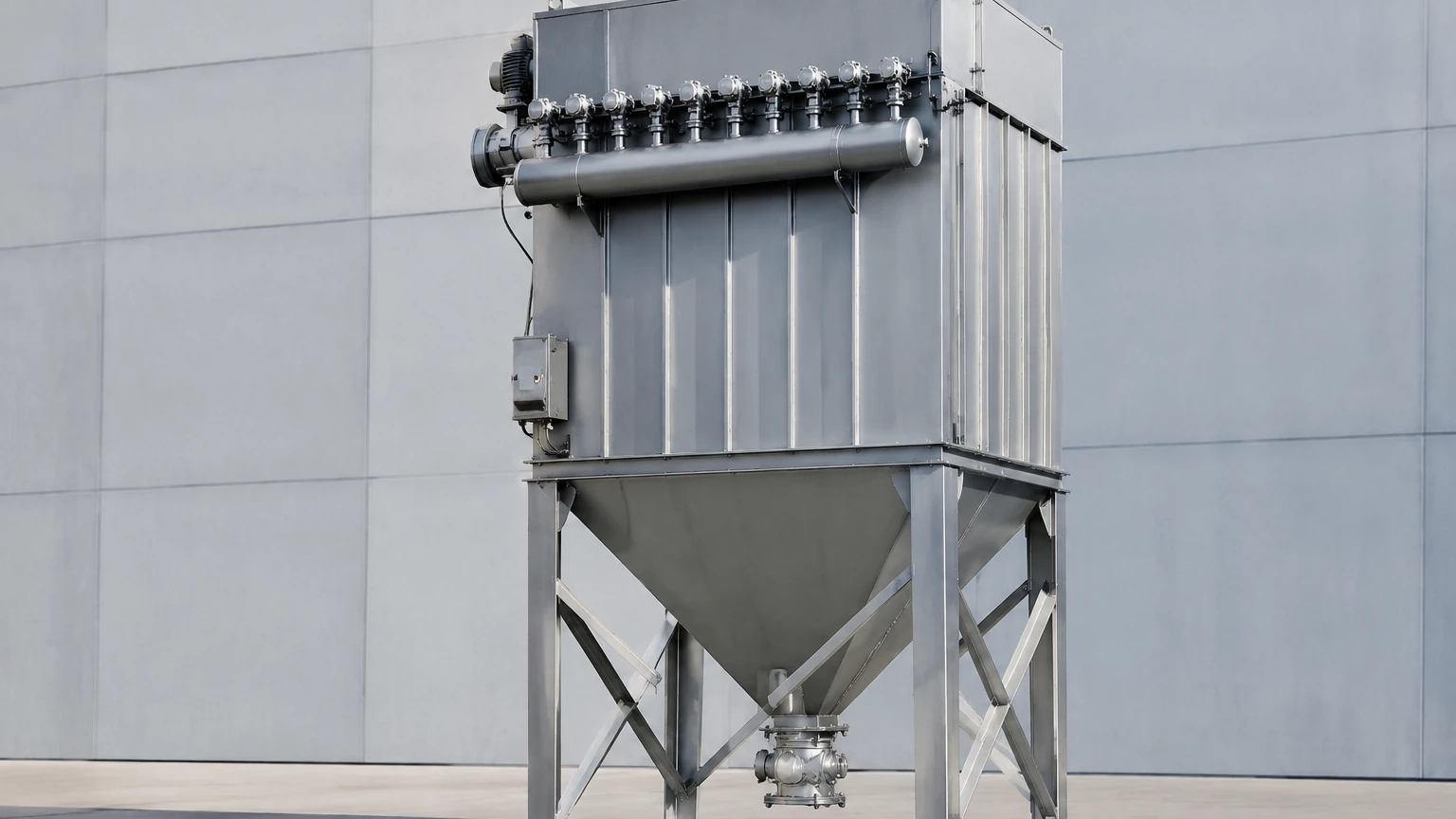
Pulse Jet Type Bag Filter
In industrial air pollution control and process filtration, the pulse jet type bag filter stands as the most prevalent technology for high-efficiency dust collection. Engineered to handle high dust loads and maintain continuous operation, these systems are critical in industries ranging from cement and steel production to chemical processing and food manufacturing. For engineers and facility managers, understanding the mechanical nuances, material requirements, and engineering variables of a pulse jet system is essential for optimizing filtration efficiency and minimizing the total cost of ownership.
As a manufacturer specializing in precision filtration components, Kaifil recognizes that the performance of a dust collection system is heavily dependent on the quality of its internal hardware. While the filter media captures the particulate, the structural integrity of the filter cages and the precision of the tube sheet—often constructed from high-grade stainless steel—ensure that the system operates without bypass or premature bag failure. For detailed specifications on custom filtration components, technical teams can visit the Main Page to review product options and application support.
The Working Principle of Pulse Jet Filtration
The pulse jet type bag filter is a pressure-vacuum-based system that operates on a "filtering-cleaning" cycle. Unlike shaker-type or reverse-air collectors, pulse jet systems allow for continuous filtration because the cleaning process occurs so rapidly that it does not require the isolation of filter compartments.
The Filtration Phase
During the filtration phase, dust-laden gas enters the collector housing. The gas is directed toward the exterior of the filter bags. As the gas passes through the fabric media, dust particles are trapped on the outer surface, forming a "dust cake." This cake actually assists in the filtration process by increasing the capture efficiency of fine sub-micron particles. The clean air then travels upward through the center of the bag, exiting through the top of the tube sheet into the clean air plenum.
The Cleaning Phase
As the dust cake thickens, the differential pressure across the bags increases. To maintain airflow, the system must be cleaned. A pulse jet type bag filter utilizes a burst of high-pressure compressed air (typically 60 to 100 PSI) injected into the top of the filter bag. This pulse is controlled by a solenoid valve and often directed through a venturi. The rapid expansion of air creates a shockwave that travels down the length of the bag, causing it to flex outward. This mechanical movement dislodges the dust cake, which falls into the hopper below for disposal or reclamation.
Critical Engineering Components
A pulse jet system is an assembly of several high-precision components that must work in unison to handle the stresses of repeated pulsing and chemical exposure.
1. Filter Bags and Media
The filter bag is the primary consumable. Selection depends on the gas temperature, moisture content, and chemical composition. Common materials include:
* Polyester: Standard for dry, ambient temperature applications.
* PPS (Ryton): Excellent for high-temperature applications with sulfur content (e.g., coal-fired boilers).
* PTFE (Teflon): Used for extreme chemical resistance and high-temperature environments.
* Fiberglass: Suitable for very high temperatures but requires specialized coatings to prevent fiber abrasion.
2. Filter Cages and Support Structures
Because pulse jet bags are cleaned from the inside out, they require an internal support structure to prevent collapse during the filtration phase. These cages are typically made of wire and must be perfectly smooth to prevent localized wear on the fabric. In corrosive environments, such as chemical processing or waste-to-energy plants, stainless steel cages (Grade 304 or 316) are required to prevent rust, which can bond to the bag and cause tearing during the pulse cycle.
3. Pulse Valves and Headers
The pulse valve is the heart of the cleaning system. It must open and close within milliseconds to deliver a sharp, effective pulse. The header pipe acts as a reservoir for compressed air, ensuring that each pulse has sufficient volume and pressure to clean the entire length of the bag.
Design Considerations: Air-to-Cloth Ratio
One of the most critical metrics in the design of a pulse jet type bag filter is the Air-to-Cloth (ATC) ratio, also known as the filtration velocity. It is defined as the volume of gas (CFM) passing through one square foot of filter media.
* High ATC Ratios: Reducing the size of the collector can lower initial capital costs, but it leads to higher pressure drops, increased bag wear, and more frequent cleaning cycles. This often results in a shorter bag life and higher energy consumption for the compressed air system.
* Low ATC Ratios: While requiring a larger footprint and more initial investment, a lower ATC ratio ensures gentler filtration, better cake release, and significantly longer bag life. For abrasive dusts or high-temperature gases, engineers typically specify lower ratios to ensure system reliability.
Material Selection and Environmental Factors
When specifying a pulse jet type bag filter, the environmental conditions of the process gas dictate the materials used for both the media and the internal metal components. Engineers must evaluate the following:
Temperature Stability
If the process gas exceeds the operating temperature of the media, the fibers will degrade, leading to "blinding" or total structural failure. Conversely, if the gas cools below its dew point, moisture can condense on the bags. This leads to "mudding," where the dust turns into a slurry that cannot be removed by the pulse jet, effectively killing the filtration process.
Chemical Compatibility
Acidic or alkaline gases can chemically attack synthetic fibers. For example, polyester is susceptible to hydrolysis in the presence of moisture and high temperatures. In such cases, stainless steel internal components and chemically resistant coatings or specialized fibers like P84 or PTFE are necessary to maintain performance.
Precision in Manufacturing
The interface between the filter bag, the cage, and the tube sheet is a common point of failure. If the tube sheet holes are not precisely cut or if the cages are slightly oversized, the bags will not seat properly. This leads to dust leakage (bypass). Kaifil’s focus on precision metal filtration components addresses these engineering challenges, ensuring that the mechanical fit between the support cage and the bag is optimized for the specific pulse jet dynamics of the system.
Maintenance and Troubleshooting
To ensure the longevity of a pulse jet type bag filter, a proactive maintenance schedule is required. Engineers should monitor several key indicators:
1. Differential Pressure: A steady-state pressure drop indicates a healthy system. A sudden drop may indicate a broken bag, while a steady rise may indicate bag blinding or a failure in the pulse cleaning system.
2. Compressed Air Quality: The air used for pulsing must be dry and oil-free. Moisture in the compressed air lines can lead to corrosion of the pulse valves and dampening of the filter media, which facilitates dust buildup.
3. Solenoid and Diaphragm Health: Pulse valves are mechanical components with finite life cycles. If a diaphragm fails, the valve may stay open (wasting air) or fail to open (leaving bags uncleaned).
4. Emissions Monitoring: Modern systems often include opacity meters or leak detection sensors in the clean air plenum to identify broken bags before they lead to environmental compliance issues.
Why Pulse Jet Systems Dominate the Market
The transition from older shaker and reverse-air technologies to the pulse jet type bag filter was driven by three main factors: efficiency, footprint, and continuous operation.
* Efficiency: Pulse jet systems can achieve collection efficiencies exceeding 99.9% for fine particulate matter, helping facilities meet stringent PM2.5 and PM10 emission standards.
* Footprint: Because pulse jet systems operate at higher filtration velocities than reverse-air systems, they require less filter area and, consequently, a smaller physical footprint.
* Continuous Operation: The ability to clean bags while the system remains online eliminates the need for redundant compartments or system downtime during cleaning cycles.
Conclusion: Selecting the Right Filtration Partner
Designing or upgrading a pulse jet type bag filter requires a deep understanding of both the process gas chemistry and the mechanical stresses of the cleaning cycle. While the fabric bag is the visible part of the solution, the underlying metal components—the cages, venturis, and support structures—provide the foundation for performance. High-quality stainless steel components reduce the risk of corrosion-induced bag failure and ensure that the pulse energy is effectively distributed across the entire media surface.
For engineers seeking to optimize their industrial filtration systems, selecting a manufacturer with expertise in custom stainless steel and precision metal solutions is vital. Kaifil provides the technical support and manufacturing capabilities required to develop durable filtration components for the most demanding industrial environments. To explore how customized filtration solutions can improve your system's reliability, please visit the Main Page for more information on our engineering and OEM services.
