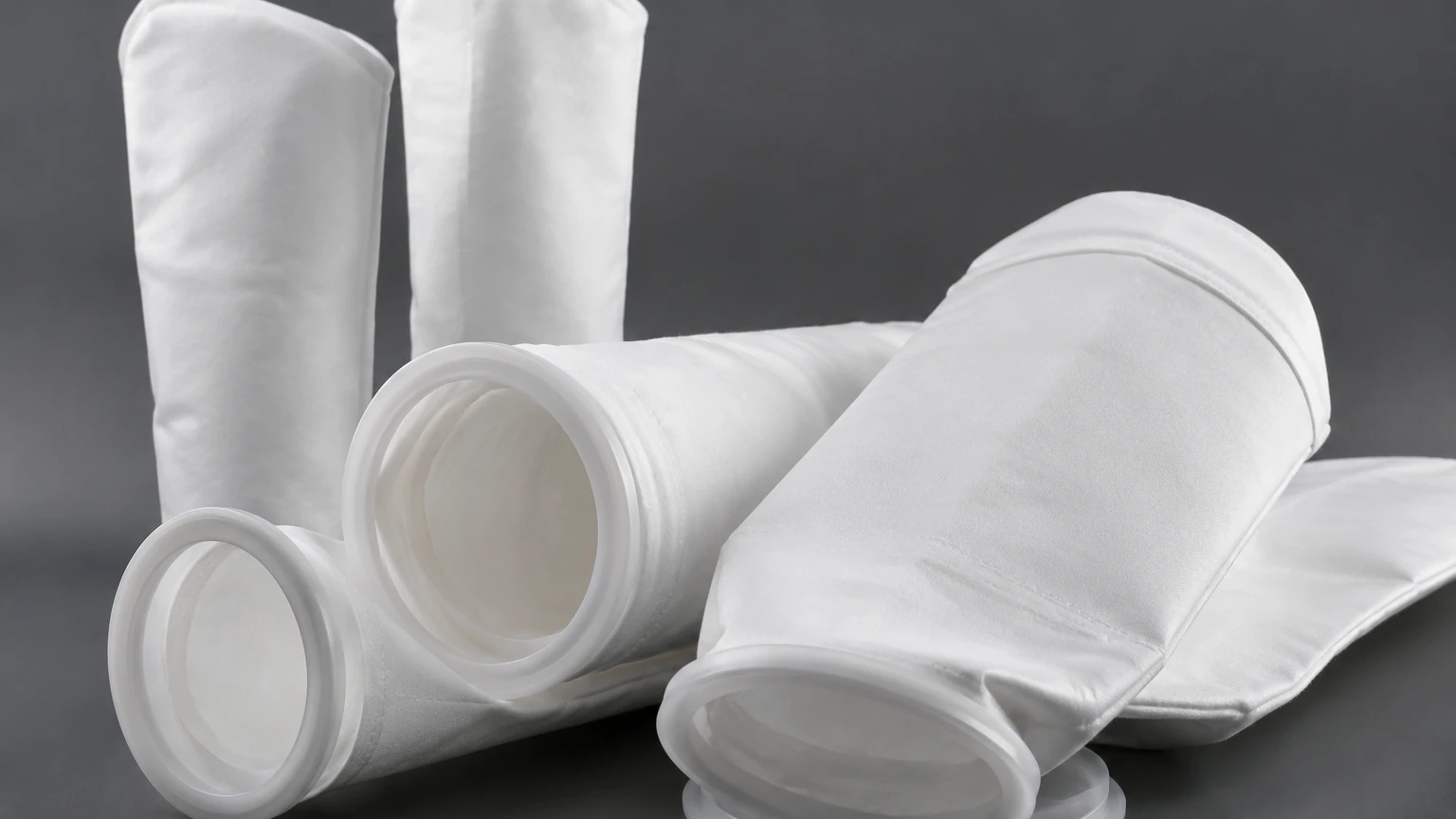

Pvc Bag Filters
In industrial fluid processing, the selection of filtration equipment is dictated by the chemical nature of the fluid, the operating temperature, and the required pressure. While stainless steel is often the standard for high-pressure and high-temperature applications, pvc bag filters serve a critical role in environments where metallic corrosion is a primary concern. Understanding the engineering nuances of Polyvinyl Chloride (PVC) housings and their compatible filter media is essential for engineers designing systems for water treatment, chemical processing, and electronics manufacturing.
Understanding PVC Bag Filter Systems in Industrial Applications
PVC bag filters are pressure-based filtration units consisting of a plastic pressure vessel (housing), an internal support basket, and a replaceable filter bag. The fluid enters the top or side of the housing, passes through the filter bag from the inside out, and exits through the bottom or side outlet. The solid contaminants are retained within the bag, making disposal and replacement straightforward.
The primary advantage of PVC as a housing material is its inherent resistance to a wide range of corrosive chemicals, including many acids, alkalis, and salt solutions that would rapidly degrade standard 304 or 316 stainless steel. Furthermore, PVC is non-conductive and does not suffer from galvanic corrosion, making it a preferred choice for seawater applications and ultrapure water systems where metal ion leaching must be avoided.
Material Compatibility and Chemical Resistance
When specifying pvc bag filters, engineers must evaluate the specific grade of PVC used—typically PVC-U (Unplasticized) or PVC-C (Chlorinated). PVC-U is suitable for temperatures up to approximately 60°C (140°F), while PVC-C can handle higher temperatures up to 90°C (194°F).
Chemical Resistance Profile
PVC is exceptionally resistant to:
* Mineral Acids: Sulfuric acid (up to 70%), hydrochloric acid, and phosphoric acid.
* Alkalis: Sodium hydroxide and potassium hydroxide.
* Salts: Brine, seawater, and various metal plating solutions.
However, PVC has significant limitations when exposed to organic solvents. It is susceptible to damage from ketones (like acetone), esters, and aromatic hydrocarbons. In processes involving these chemicals, a transition to specialized stainless steel filtration components, such as those detailed on the Main Page, is often required to ensure structural integrity.
Key Engineering Specifications for PVC Filter Housings
Designing a system around pvc bag filters requires careful attention to mechanical limits. Unlike metal housings, plastic vessels exhibit a significant reduction in pressure rating as the operating temperature increases.
Pressure and Temperature Derating
A typical PVC bag filter housing might be rated for 10 bar (150 psi) at 20°C. However, at 50°C, that rating may drop by 50% or more. Engineers must consult derating curves provided by manufacturers to ensure the housing can safely withstand the maximum surge pressures of the system at the maximum operating temperature.
Connection Types
PVC housings usually offer several connection options:
* Socket Weld: Common in permanent PVC piping systems, providing a leak-proof bonded joint.
* Flanged (ANSI/DIN): Preferred for ease of maintenance and integration into systems where the filter may need to be removed for deep cleaning.
* Threaded (NPT/BSP): Generally used for smaller units, though care must be taken to avoid over-tightening, which can lead to stress cracking in plastic threads.
Comparing PVC and Stainless Steel Filtration Solutions
While this guide focuses on pvc bag filters, it is important to understand when a plastic solution is insufficient. For many industrial applications, the mechanical robustness of metal is indispensable.
| Feature | PVC Bag Filters | Stainless Steel Filters |
| :— | :— | :— |
| Corrosion Resistance | Excellent for acids/salts | Variable (depends on grade/coating) |
| Max Temperature | Low (up to 60-90°C) | High (up to 400°C+) |
| Max Pressure | Moderate (typically <10 bar) | Very High (up to 100 bar+) |
| Mechanical Impact | Brittle; prone to damage | Ductile; high impact resistance |
| Customization | Limited to molded shapes | High (bespoke engineering) |
For applications involving high-pressure steam, high-viscosity oils, or extreme mechanical stress, professional manufacturers like Kaifil specialize in stainless steel filtration solutions that provide the necessary durability. Engineers often utilize the Main Page to explore custom wire mesh and cartridge options when plastic housings reach their physical limits.
Selection Criteria: Choosing the Right Bag and Housing
Selecting the correct pvc bag filters involves more than just picking a housing size. The interaction between the housing, the support basket, and the filter bag determines the efficiency of the entire system.
1. Micron Rating and Media Material
Filter bags are available in various materials, with Polypropylene (PP) being the most common for PVC housings due to its broad chemical compatibility.
* Felt Bags: Provide depth filtration, ideal for removing deformable particles.
* Mesh Bags (Nylon/PP): Provide surface filtration with precise pore sizes, suitable for removing rigid particles or for use as a pre-filter.
2. Flow Rate and Pressure Drop (Delta P)
The "clean pressure drop" should ideally be kept below 0.15 bar (2 psi). As the bag loads with contaminants, the differential pressure increases. Systems should be designed with pressure gauges on the inlet and outlet to monitor this change. Most industrial PVC systems require a bag change when the differential pressure reaches 1.0 to 1.5 bar.
3. Seal Integrity
In PVC housings, the seal between the bag and the housing is a critical bypass point. High-quality housings use a compression-fit or a V-ring seal to ensure that unfiltered liquid cannot bypass the bag. If the seal fails, the downstream process is at risk of contamination.
Installation and Operational Best Practices
Proper installation of pvc bag filters is vital to prevent premature failure of the plastic components.
* Support and Alignment: PVC is less rigid than metal. Housings must be properly supported so that the weight of the fluid and the piping does not put undue stress on the inlet/outlet ports. Using flexible couplings can help mitigate vibration and thermal expansion stress.
* Venting: Always include a vent valve at the highest point of the housing. Air trapped in the housing can lead to water hammer effects, which are particularly damaging to PVC structures.
* Bypass Lines: For continuous processes, a duplex arrangement (two filters in parallel with a valve manifold) allows for bag changes without shutting down the entire line.
Maintenance and Replacement Cycles
The longevity of pvc bag filters depends heavily on the operational environment. While the bags are consumables, the housing and internal basket require periodic inspection.
Bag Replacement Procedure
1. Isolate: Close the inlet and outlet valves.
2. Depressurize: Open the vent valve and the drain valve to empty the housing.
3. Inspect: Once the cover is removed and the old bag is extracted, inspect the internal support basket for cracks or debris.
4. Seat: Ensure the new bag is seated perfectly in the basket rim before closing the lid. Misalignment is the leading cause of bypass.
Housing Inspection
Over time, PVC can become brittle due to UV exposure (if installed outdoors) or chemical aging. Periodically check for "crazing" (tiny surface cracks) or discoloration, which may indicate that the housing is reaching the end of its safe service life. In contrast, stainless steel components from specialized manufacturers are often preferred for long-term installations due to their fatigue resistance and ability to be refurbished.
Total Cost of Ownership (TCO) Considerations
When evaluating pvc bag filters against other technologies, engineers must look beyond the initial purchase price.
* Initial Capital: PVC is generally less expensive than high-grade alloys like Hastelloy or Titanium.
* Operating Costs: Bag filters are generally cheaper than pleated cartridges but may require more frequent changes depending on the solids loading.
* Disposal: Spent bags must be disposed of according to the nature of the contaminants they have trapped.
For facilities looking to optimize their filtration spend, consulting technical resources on the Main Page can provide insights into whether a more permanent stainless steel mesh solution might offer a lower TCO over several years compared to the recurring cost of disposable bags and plastic housing replacements.
Conclusion
PVC bag filters offer a targeted solution for corrosive, low-temperature, and low-pressure industrial environments. By understanding the chemical compatibility of PVC and the mechanical derating required at elevated temperatures, engineers can successfully implement these systems to protect downstream equipment. However, for more demanding industrial environments where pressure, temperature, and mechanical durability are paramount, stainless steel filtration components remains the engineering standard for reliability and performance.