


Reticulated Polyether Foam
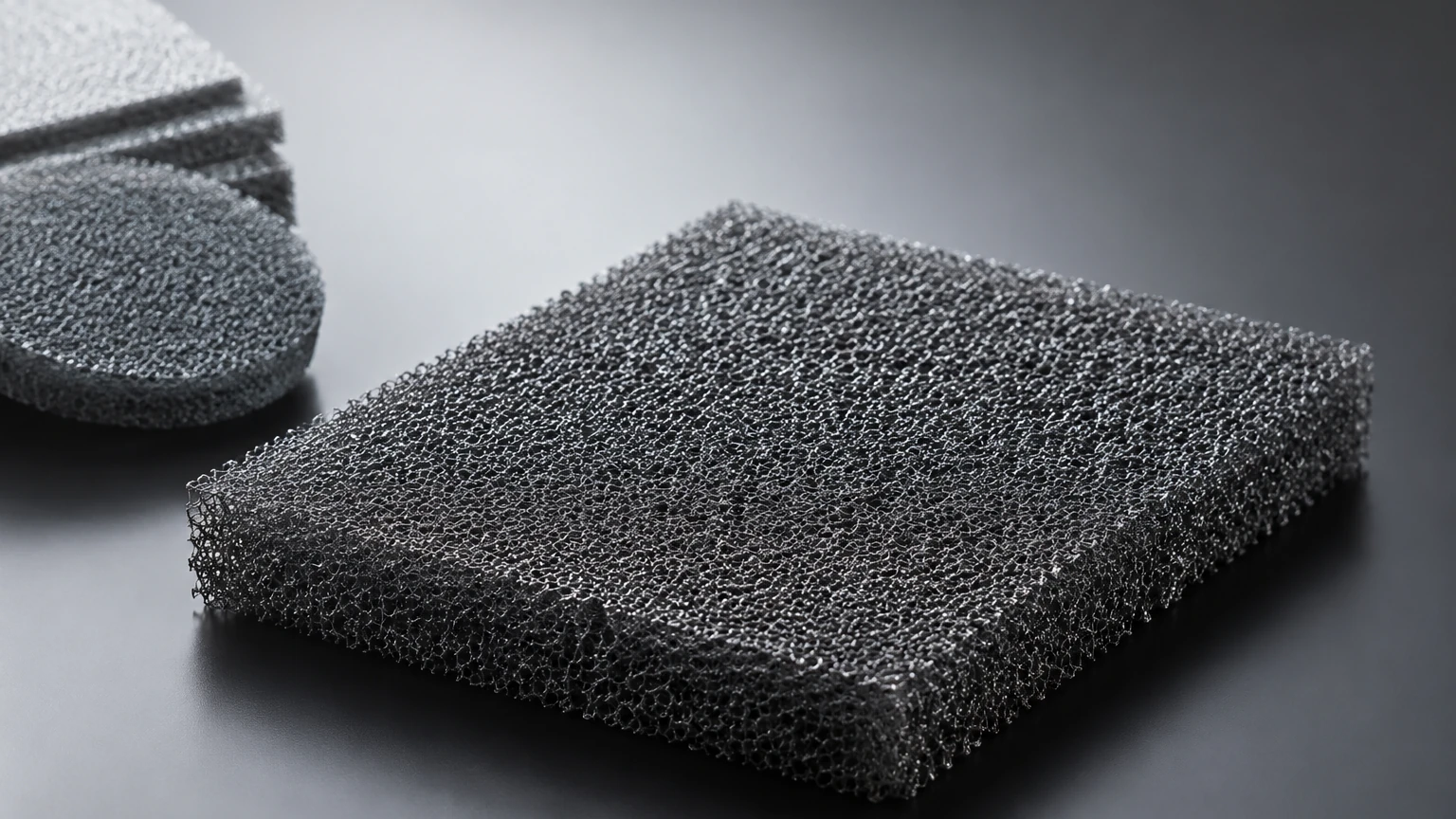
In the landscape of industrial filtration and fluid management, reticulated polyether foam serves as a versatile, open-cell material designed for high permeability and controlled porosity. Unlike standard closed-cell foams used for insulation or packaging, reticulated foams undergo a specialized manufacturing process that removes the cell membranes, leaving behind a dodecahedral skeletal structure. This structural integrity allows for the efficient passage of air, water, and various chemicals, making it a staple in pre-filtration, acoustic dampening, and fluid distribution systems.
For engineers and procurement specialists, understanding the technical nuances of reticulated polyether foam—specifically its hydrolytic stability and pore density—is essential for determining its suitability in demanding environments. While polymer foams offer cost-effective solutions for low-temperature and low-pressure applications, they are often evaluated alongside more durable alternatives, such as those found on the Main Page of professional filtration manufacturers, to ensure long-term operational efficiency.
Understanding the Structure and Chemistry of Reticulated Polyether Foam
The term "reticulated" refers to the net-like structure of the foam. During production, a standard polyurethane foam is subjected to a process called "zapping" or thermal reticulation. A combustible gas mixture is introduced into a pressure vessel containing the foam and ignited. The resulting controlled explosion generates a heat wave that melts the thin cell membranes (windows) without damaging the thicker cell ribs (struts). This creates a 100% open-cell structure.
Polyether vs. Polyester Chemistry
From a chemical perspective, reticulated foams are generally divided into two categories: polyether and polyester.
* Reticulated Polyether Foam: This variant is characterized by its ether-based polymer chain. The primary advantage of polyether over polyester is its superior hydrolytic stability. It resists degradation when exposed to water, humidity, and high-moisture environments. It is also more resistant to fungal and microbial growth, making it the preferred choice for water filtration, outdoor equipment, and medical applications.
* Reticulated Polyester Foam: While polyester foams offer higher tensile strength and better resistance to hydrocarbons (oils and fuels), they are prone to "hydrolysis"—a chemical breakdown that occurs when the material is exposed to moisture over time. In many industrial settings, the longevity of polyether in wet conditions outweighs the mechanical strength of polyester.
Technical Performance Criteria for Industrial Selection
When specifying reticulated polyether foam for a project, engineers must look beyond basic dimensions. The performance of the foam is dictated by several key metrics that influence flow rates, filtration efficiency, and mechanical durability.
Pores Per Inch (PPI)
Porosity is measured in PPI, typically ranging from 10 PPI (very coarse) to 100 PPI (very fine).
* 10–30 PPI: Used for large particle filtration, such as pre-filters in HVAC systems or pond filters. These have the lowest pressure drop.
* 40–60 PPI: Common in small engine air filters and medical devices where a balance between filtration efficiency and airflow is required.
* 80–100 PPI: Used for fine mist elimination and specialized acoustic applications. These provide the highest surface area but result in a significant pressure drop across the media.
Air and Fluid Permeability
Permeability is a function of the PPI and the thickness of the foam. In industrial design, the Darcy’s Law principle is often applied to calculate the pressure drop. Because reticulated polyether foam has a high void volume (often over 95%), it allows for high flow rates with minimal resistance, which is critical for maintaining the energy efficiency of fans, pumps, and compressors.
Density and Compression Set
Density (typically measured in lbs/ft³ or kg/m³) affects the foam’s ability to regain its shape after being compressed. For gaskets or seals within a filter housing, a low compression set is vital to ensure that the foam maintains a tight seal against the housing walls, preventing fluid bypass.
Comparative Analysis: Polyether Foam vs. Stainless Steel Filtration
In many industrial sectors, such as chemical processing or pharmaceutical manufacturing, the choice between a polymer-based foam and a metallic filter is a common engineering crossroad. While reticulated polyether foam is an excellent sacrificial or low-cost media, it has clear physical boundaries.
| Feature | Reticulated Polyether Foam | Stainless Steel Mesh/Cartridges |
| :— | :— | :— |
| Temperature Limit | Generally < 100°C (212°F) | Up to 500°C+ (932°F+) |
| Chemical Resistance | Moderate (Weak acids/bases) | Excellent (Corrosive chemicals) |
| Cleanability | Limited (Disposable) | High (Backwashable/Ultrasonic) |
| Structural Strength | Low (Requires support) | High (Self-supporting) |
| Filtration Precision | Nominal (Variable) | Absolute (Precise micron ratings) |
For applications involving high-pressure steam, aggressive solvents, or high-viscosity fluids, the limitations of reticulated polyether foam become apparent. In these instances, transitioning to precision-engineered metal components is necessary. To explore high-performance metallic alternatives that offer greater durability and precise filtration ratings, engineers often Review product options and application support from specialized manufacturers.
Common Applications and Industry Use Cases
Despite the rise of advanced alloys, reticulated polyether foam remains indispensable in several key sectors due to its lightweight nature and cost-efficiency.
1. HVAC and Air Handling: Used as a primary dust catcher in air conditioning units. Its open-cell structure allows for significant dust loading before the pressure drop necessitates a replacement.
2. Water Treatment: Due to its hydrolytic stability, it is used in biological filters for wastewater treatment and aquaculture. The high surface area of the 30-45 PPI foam provides an ideal substrate for beneficial bacterial colonies.
3. Acoustics and Sound Dampening: The skeletal structure is effective at dissipating sound energy. It is frequently used in microphone windscreens and speaker grilles to reduce wind noise and pop without distorting the sound profile.
4. Medical Devices: Reticulated polyether foam is used in wound vacuum-assisted closure (VAC) therapy and as a component in oxygen concentrators, where biocompatibility and moisture resistance are paramount.
5. Automotive: Used in cabin air filters and as a baffle in fuel tanks (specifically polyester versions for fuel) to prevent sloshing and suppress explosions.
Engineering Considerations for Filter Selection
Selecting the right reticulated polyether foam requires a detailed analysis of the operating environment. Engineers should confirm the following data points before finalizing a specification:
* Fluid Compatibility: While polyether is stable in water, it can swell or degrade when exposed to certain oils, esters, or strong oxidizing agents. Always consult a chemical compatibility chart.
* Face Velocity: The speed at which the fluid or air hits the foam surface will determine the effective filtration life. High face velocities can cause "blow-through," where particles are forced through the pores rather than being trapped by the struts.
* Thickness vs. Efficiency: Increasing the thickness of the foam increases the "tortuous path" for particles, improving filtration efficiency. However, this also increases the depth of the filter, which may not fit in compact equipment designs.
* Support Structures: Because foam is flexible, it may deform under high flow rates. It often requires a backing plate, such as a perforated metal sheet or a wire mesh cage, to maintain its shape and position within the flow stream.
Risks and Limitations in Demanding Environments
One of the most significant risks associated with reticulated polyether foam is its eventual degradation. Over time, UV exposure and thermal cycling can cause the polymer chains to break down, leading to "friability," where the foam turns to powder or sheds small particles into the downstream flow. This is a critical failure mode in cleanroom or pharmaceutical applications where downstream contamination is unacceptable.
Furthermore, because foam filtration is generally "nominal," it cannot guarantee the capture of 100% of particles at a specific micron size. For processes requiring absolute filtration—such as the protection of high-pressure hydraulic valves or the removal of bacteria in food and beverage production—metal fiber felt or multi-layer sintered wire mesh is the industry standard.
Optimizing Filtration Systems with Custom Solutions
In many complex industrial systems, reticulated polyether foam is used as the first stage in a multi-stage filtration strategy. It captures large debris, thereby extending the life of more expensive, high-precision downstream filters.
When designing these systems, customization is key. Standard off-the-shelf foam sheets may not meet the specific geometry or flow requirements of a proprietary machine. Working with a manufacturer that can provide custom-cut foam inserts or integrate them into composite metal housings ensures a seamless fit and optimized performance. For those looking to upgrade their current filtration setup to include more robust, custom-engineered components, the Main Page provides a comprehensive look at how stainless steel and precision metal solutions can be integrated into industrial workflows.
Conclusion: Evaluating the Next Steps
Reticulated polyether foam is a high-utility material that excels in moisture-rich environments and low-pressure air/fluid applications. Its open-cell architecture provides a unique combination of permeability and surface area. However, for engineers dealing with extreme temperatures, high pressures, or strict purity requirements, the limitations of polymer foams must be acknowledged.
Before proceeding with a procurement or design phase, technical teams should confirm the maximum operating temperature, the specific chemical makeup of the fluid, and the required replacement cycle. When the demands of the application exceed the physical properties of polyether foam, moving toward stainless steel filtration solutions becomes the most cost-effective and reliable path forward for industrial operations.
