


Screen Sand
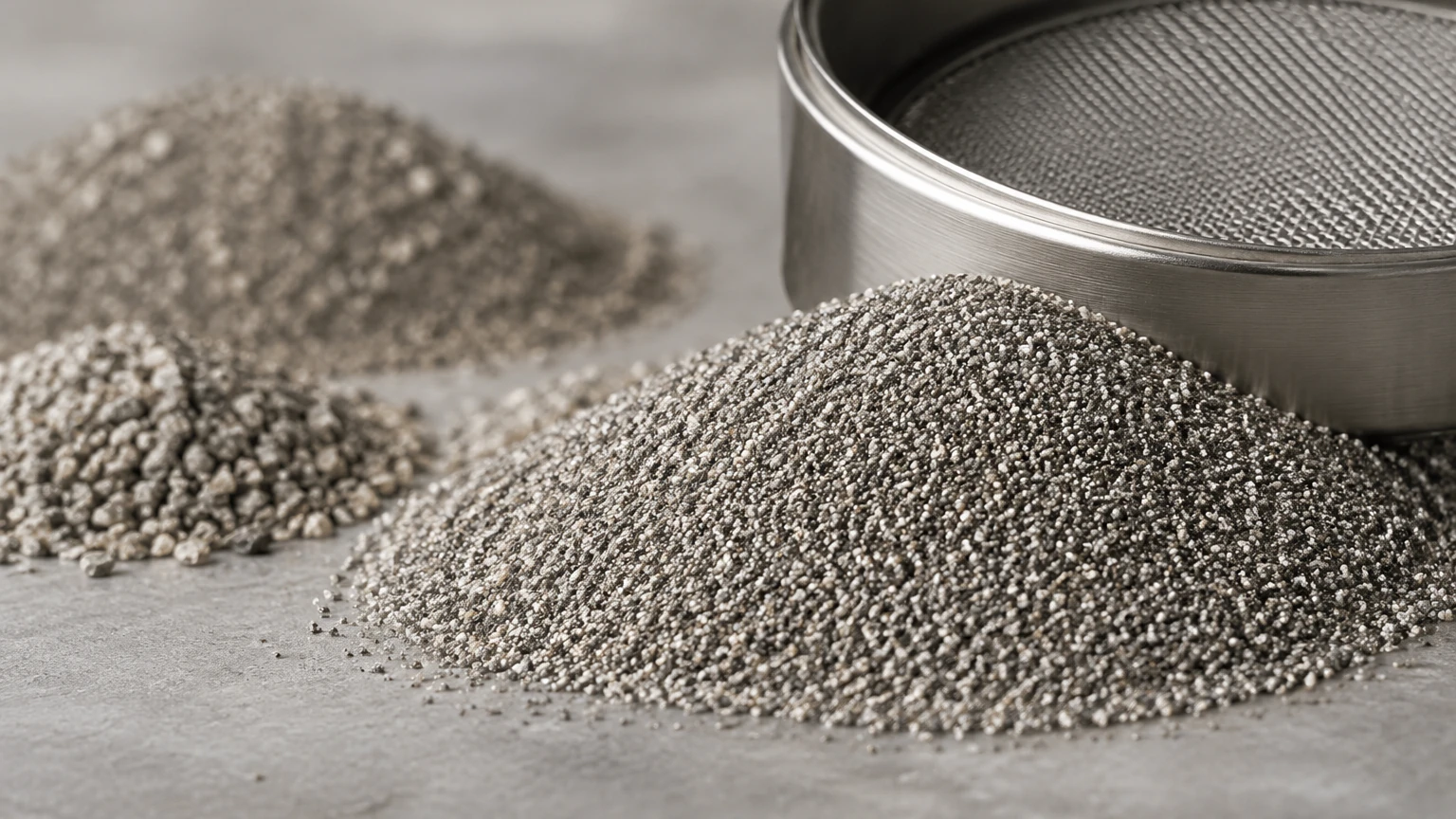
In industrial processing and resource extraction, the ability to effectively screen sand is a fundamental requirement for protecting downstream equipment, ensuring product purity, and maintaining operational efficiency. Whether the application involves primary water intake, chemical processing, or oil and gas extraction, the selection of the correct screening media is a critical engineering decision. High-performance stainless steel filtration components have become the industry standard for these demanding environments due to their mechanical strength, corrosion resistance, and precise aperture control.
For engineers and procurement professionals, understanding the technical nuances of how to screen sand—and the hardware required to do so—is essential. This guide examines the engineering considerations, material science, and performance metrics associated with industrial sand screening solutions.
The Role of Precision Screening in Sand Management
Sand management is a multidisciplinary challenge. In many industrial contexts, sand is a contaminant that must be removed to prevent erosion of high-velocity components like impellers and valves. In other sectors, such as glass manufacturing or construction material processing, sand is the primary product, and it must be screened into specific size fractions to meet quality standards.
Industrial filters designed to screen sand must balance three competing factors: filtration accuracy, flow capacity, and mechanical durability. If the mesh is too fine, the system will experience excessive pressure drops and frequent clogging. If the mesh is too coarse, sand particles will pass through, leading to catastrophic wear on downstream machinery. Achieving the optimal balance requires a deep understanding of the particle size distribution (PSD) of the sand being processed and the specific hydraulic conditions of the system.
Material Selection for Sand Control Screens
When selecting a medium to screen sand, material durability is paramount. Sand particles are naturally abrasive; as they strike the surface of a filter at high velocities, they can cause significant erosive wear. Stainless steel is the preferred material for these applications because it offers a combination of hardness and ductility that polymers and softer metals lack.
Grade 304 Stainless Steel
Grade 304 is the most common choice for general industrial sand screening. It provides excellent mechanical strength and basic corrosion resistance. It is often used in applications where the fluid is non-corrosive, such as dry sand grading or municipal water filtration.
Grade 316L Stainless Steel
For environments involving brackish water, chemicals, or high temperatures, Grade 316L is the standard. The addition of molybdenum enhances its resistance to pitting and crevice corrosion. In applications where the screen sand process involves exposure to chlorides or acidic cleaners, 316L ensures a longer service life and reduces the risk of structural failure.
Specialized Alloys
In extreme cases, such as deep-well sand control or highly acidic chemical processing, engineers may specify Duplex stainless steel or Super Duplex alloys. These materials offer superior yield strength and exceptional resistance to stress corrosion cracking, which is vital when the screening media is subjected to high differential pressures.
Engineering Specifications: Aperture, Open Area, and Flow Dynamics
The performance of a component designed to screen sand is defined by its geometric configuration. Engineers must evaluate several key specifications during the design phase:
1. Aperture Size (Micron Rating): This is the clear opening between the wires of the mesh. For sand screening, this must be slightly smaller than the smallest sand particle intended to be retained. It is important to distinguish between "nominal" and "absolute" ratings; for critical protection, an absolute rating is required to ensure no particles above a certain size pass through.
2. Percentage of Open Area: This refers to the ratio of the total area of the openings to the total area of the screen. A higher open area results in a lower pressure drop and higher flow capacity. However, increasing the open area often requires using thinner wires, which can compromise the structural integrity of the filter.
3. Wire Diameter and Weave Type: For woven wire mesh, the diameter of the wire directly impacts the screen's resistance to abrasion. Common weave types include plain weave, twilled weave, and Dutch weave. Dutch weaves are particularly effective for sand control as they provide a tortuous path for particles, enhancing filtration efficiency while maintaining high mechanical strength.
Common Challenges in Industrial Sand Screening
Operating a system to screen sand is not without its difficulties. Engineers must design systems that can mitigate the following risks:
Erosion and Mechanical Wear
As sand particles collide with the filter media, they gradually thin the wires. Over time, this can lead to "breakthrough," where the aperture size increases beyond the design limit. Selecting a filter with a robust wire diameter or utilizing a multi-layer sintered mesh can significantly extend the time between replacements.
Blinding and Clogging
Blinding occurs when particles that are near the size of the aperture become lodged in the openings. This is a common issue when screening sand with a wide particle size distribution. To combat this, many industrial systems utilize backwashing or ultrasonic cleaning. The structural design of the filter must be capable of withstanding the reverse pressure pulses required for effective cleaning.
Corrosion-Erosion Synergy
In many chemical and offshore applications, the filter is subjected to both corrosive fluids and abrasive solids. This synergy can accelerate material degradation far faster than either factor alone. In these scenarios, the passivation layer of the stainless steel is constantly being mechanically removed by sand impact, exposing fresh metal to corrosion. High-grade alloys and specialized surface treatments are often necessary to maintain integrity.
Customization and OEM Considerations for Filtration Systems
Standard off-the-shelf filters rarely meet the specific needs of complex industrial processes. Customization is often necessary to ensure the filtration component fits the existing housing and meets the specific flow requirements of the application.
Customization options typically include:
* Dimensional Tailoring: Adjusting the length, diameter, and end-cap configurations of filter cartridges to match proprietary equipment.
* Reinforcement Layers: Adding perforated metal cores or external shrouds to provide the necessary collapse strength in high-pressure hydraulic or oil-field applications.
* Multi-Stage Filtration: Combining different mesh counts into a single sintered element to allow for graduated filtration, which can reduce the rate of surface blinding.
For organizations looking to optimize their filtration processes, consulting with a specialized manufacturer is the most effective way to develop a solution that balances cost and performance. You can Review product options and application support on our Main Page to see how custom-engineered stainless steel components can improve your sand management strategy.
Maintenance and Lifecycle Management of Stainless Steel Screens
The total cost of ownership (TCO) for a sand screening system is heavily influenced by its maintenance requirements. While stainless steel filters have a higher initial capital cost compared to disposable polymer filters, their ability to be cleaned and reused provides a significant long-term advantage.
Cleaning Protocols
Effective cleaning is the key to longevity. For sand screening applications, mechanical cleaning (such as brushing) should be avoided as it can damage the precision of the mesh. Instead, chemical soaking, back-flushing with high-pressure water, or ultrasonic baths are recommended. These methods remove deeply embedded sand particles without compromising the wire structure.
Inspection and Replacement Cycles
Regular inspection schedules should be established based on the known erosion rates of the application. Engineers should look for signs of wire thinning, mesh displacement, or localized pitting. By monitoring the pressure differential across the filter, operators can predict when a cleaning cycle is needed or when the media has reached the end of its functional life.
Conclusion
Selecting the right equipment to screen sand is a critical step in ensuring the reliability of industrial systems. By focusing on high-quality stainless steel materials, precise engineering specifications, and a robust maintenance strategy, companies can protect their infrastructure and optimize their production outputs. As industrial requirements become more stringent, the move toward customized, high-performance metal filtration solutions continues to be the most viable path for achieving efficient and durable sand control. For detailed technical specifications and to explore bespoke filtration designs, visiting the Main Page of a dedicated manufacturer like Kaifil provides the necessary resources for informed decision-making.
