


Screening Wastewater
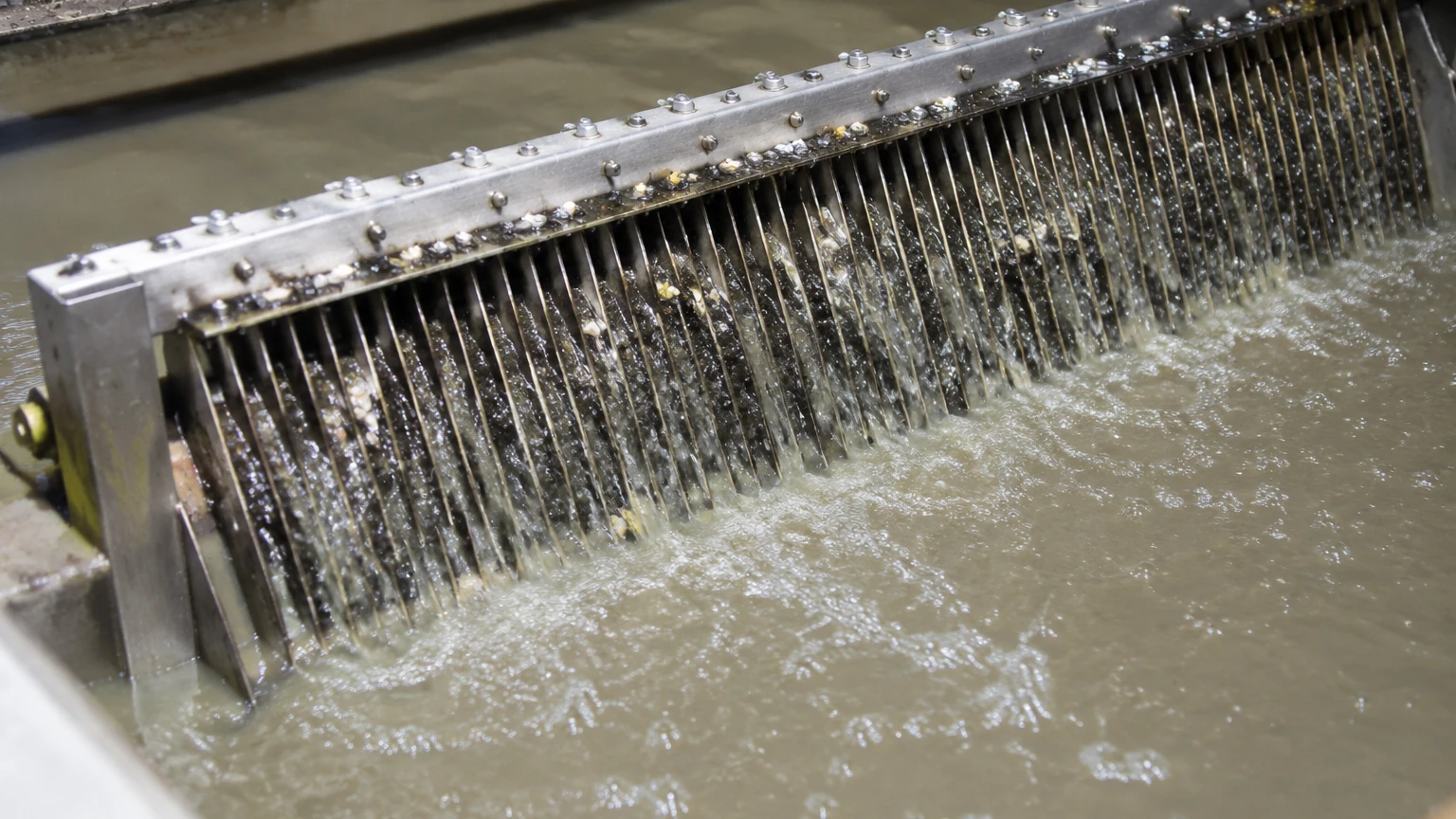
In industrial and municipal water treatment, the initial stage of debris removal is critical to the longevity and efficiency of the entire system. Screening wastewater serves as the primary physical barrier, designed to remove large solids, rags, plastics, and various suspended particulates that could otherwise damage downstream equipment such as pumps, valves, and high-precision membranes. For engineers and facility managers, selecting the correct screening technology is not merely a matter of compliance but a strategic decision impacting the total cost of ownership (TCO) and operational uptime.
Effective screening requires a deep understanding of fluid dynamics, material science, and the specific characteristics of the effluent. Whether managing a chemical processing plant's discharge or a food and beverage facility’s organic-heavy waste, the choice of filtration media—ranging from coarse bars to precision stainless steel wire mesh—determines the success of the treatment process.
The Technical Principles of Wastewater Screening
Screening is categorized based on the size of the openings and the method of solids removal. In industrial contexts, these categories are typically defined as coarse, fine, and micro-screening.
Coarse Screening
Coarse screens usually feature openings larger than 6mm. Their primary function is to protect the plant from massive objects. While often mechanical in nature (such as bar screens), they are the first line of defense. In many industrial settings, however, coarse screening alone is insufficient to protect sensitive secondary treatment stages like Dissolved Air Flotation (DAF) or biological reactors.
Fine Screening
Fine screens utilize openings between 0.5mm and 6mm. This is where stainless steel wire mesh and perforated plates become essential. By utilizing precision-manufactured media, engineers can achieve a much higher capture rate of smaller particulates. Fine screening is often utilized in industrial applications to recover valuable materials from the waste stream or to significantly reduce the Total Suspended Solids (TSS) before chemical treatment.
Micro-Screening
For applications requiring the removal of very fine particles (less than 0.5mm), micro-screening is employed. This often involves high-performance stainless steel filter cartridges or fine wire mesh drums. These systems are common in the pharmaceutical and microelectronics industries, where even microscopic debris can interfere with specialized treatment processes.
Engineering Considerations for Filter Selection
When specifying components for screening wastewater, several engineering parameters must be evaluated to ensure the system performs under peak load conditions without excessive maintenance.
Flow Rate and Hydraulic Load
The volume of wastewater processed per hour dictates the required surface area of the screen. If the flow velocity is too high, solids may be forced through the mesh (extrusion), or the screen may experience rapid blinding. Conversely, too low a velocity may lead to the settling of solids in the influent channel before they reach the screen.
Head Loss and Pressure Drop
Head loss refers to the difference in water level (or pressure) before and after the screen. As the screen captures debris, the effective open area decreases, and head loss increases. Engineers must select a mesh profile that balances filtration accuracy with a high percentage of open area to minimize energy consumption and prevent overflow events.
Material Compatibility
Industrial wastewater is rarely neutral. Depending on the industry, the effluent may be highly acidic, alkaline, or contain abrasive grit and corrosive chlorides. Stainless steel is the industry standard for these environments. Grades such as 304 are suitable for general applications, while 316 or 316L are required for high-chloride environments or chemical processing to prevent pitting and stress corrosion cracking.
The Role of Stainless Steel in Industrial Filtration
Stainless steel is the preferred material for precision filtration components due to its structural integrity and resistance to environmental degradation. Unlike plastic or lower-grade metal alternatives, stainless steel wire mesh maintains its aperture geometry under high pressure and temperature.
For those seeking specialized components, the Main Page of a professional manufacturer provides insights into how custom-engineered stainless steel cartridges and wire mesh filters can be tailored to specific industrial requirements. These components are designed to withstand the rigorous cleaning cycles—such as backwashing or ultrasonic cleaning—required in heavy-duty wastewater applications.
Addressing Common Operational Risks
Even the most robustly designed screening system faces operational challenges. Understanding these risks allows for better proactive design and maintenance scheduling.
Blinding and Clogging
Blinding occurs when particulates, particularly fats, oils, and grease (FOG) or fibrous materials, coat the surface of the screen and block the flow. In food processing, this is a frequent issue. Selecting a wedge wire profile or a specific Dutch weave mesh can help mitigate this, as these designs are often easier to clean and less prone to internal trapping of particles.
Abrasion and Mechanical Wear
Wastewater containing high levels of sand, glass, or metal fines can act as an abrasive, gradually thinning the wires of a mesh screen. In these scenarios, the wire diameter and the hardness of the alloy must be carefully considered. Using reinforced mesh or thicker gauge wire in the support structure can extend the service life of the filter component.
Chemical Degradation
In the pharmaceutical and chemical sectors, the presence of solvents or strong oxidizing agents can compromise the structural integrity of non-metallic filters. Stainless steel’s inert nature makes it the most reliable choice for maintaining filtration accuracy without the risk of material leaching or structural failure.
Customization and OEM Solutions in Wastewater Treatment
No two industrial wastewater streams are identical. A "one-size-fits-all" approach often leads to frequent downtime or inadequate filtration. Customization is key to optimizing performance. Engineers should look for manufacturers capable of producing bespoke filter cartridges and mesh components that fit existing housing units while improving filtration efficiency.
Customization options often include:
* Variable Mesh Counts: Tailoring the weave to capture specific particle sizes while maximizing flow.
* Reinforced Structures: Adding internal cores or external shrouds to filter cartridges to handle high-pressure surges.
* Specialized End Fittings: Ensuring a leak-proof seal within the filtration housing to prevent bypass.
By collaborating with a specialized manufacturer, such as Kaifil, companies can develop filtration solutions that are precisely matched to their effluent profile, ensuring that the process of screening wastewater is both reliable and cost-effective.
Maintenance and Replacement Cycles
The longevity of a stainless steel filter in a wastewater application depends heavily on the cleaning regime. Manual cleaning is common for smaller systems, but large-scale industrial operations typically utilize automated backwashing systems.
Signs that a filter component requires replacement include:
1. Permanent Head Loss: When cleaning no longer restores the pressure drop to baseline levels.
2. Mechanical Deformation: Visible sagging or tearing of the wire mesh, often caused by pressure spikes.
3. Bypass Leakage: Evidence of large solids appearing downstream of the screen.
Regular inspection intervals should be established based on the solids loading of the influent. In high-load environments, a monthly inspection of the mesh integrity is recommended, whereas cleaner streams may only require quarterly checks.
Total Cost of Ownership (TCO) Considerations
When evaluating screening solutions, the initial purchase price (CAPEX) is only one part of the equation. The operational expenses (OPEX) often carry more weight over the equipment's lifespan. A cheaper, lower-quality screen may save money upfront but can lead to:
* Increased energy costs due to high head loss.
* Higher labor costs for frequent manual cleaning.
* Expensive repairs to downstream pumps damaged by debris bypass.
* Production halts during emergency filter replacements.
Investing in high-quality stainless steel filtration components reduces these risks. The durability of stainless steel ensures a longer replacement cycle, while precision engineering ensures that the screen operates at peak hydraulic efficiency.
Conclusion
Effective screening wastewater is a foundational requirement for any successful water treatment strategy. By focusing on technical specifications such as material grade, aperture precision, and hydraulic capacity, engineers can protect their infrastructure and optimize their processes. Stainless steel remains the gold standard for these demanding applications, offering the durability and precision necessary to handle the complexities of modern industrial effluent. As industries move toward more stringent environmental regulations and water recycling initiatives, the role of high-performance screening will only continue to grow in importance.
