


Reactor Tubular
In the complex landscape of industrial chemical processing, the efficiency of a reaction is often dictated by the precision of the internal components. Among these, the reactor tubular assembly—specifically the filtration and distribution elements—plays a critical role in maintaining process integrity, catalyst retention, and fluid dynamics. For engineers and procurement specialists, selecting the right reactor tubular components is not merely a matter of dimensions but a deep dive into material science, fluid mechanics, and mechanical durability.
At Kaifil, we specialize in the engineering and manufacture of high-performance stainless steel filtration solutions designed to withstand the rigorous demands of reactor environments. Whether used in petrochemical, pharmaceutical, or food processing applications, these components must provide consistent performance under high pressure and temperature. For a comprehensive overview of our manufacturing capabilities and product range, you can visit our Main Page.
Engineering Fundamentals of Reactor Tubular Systems
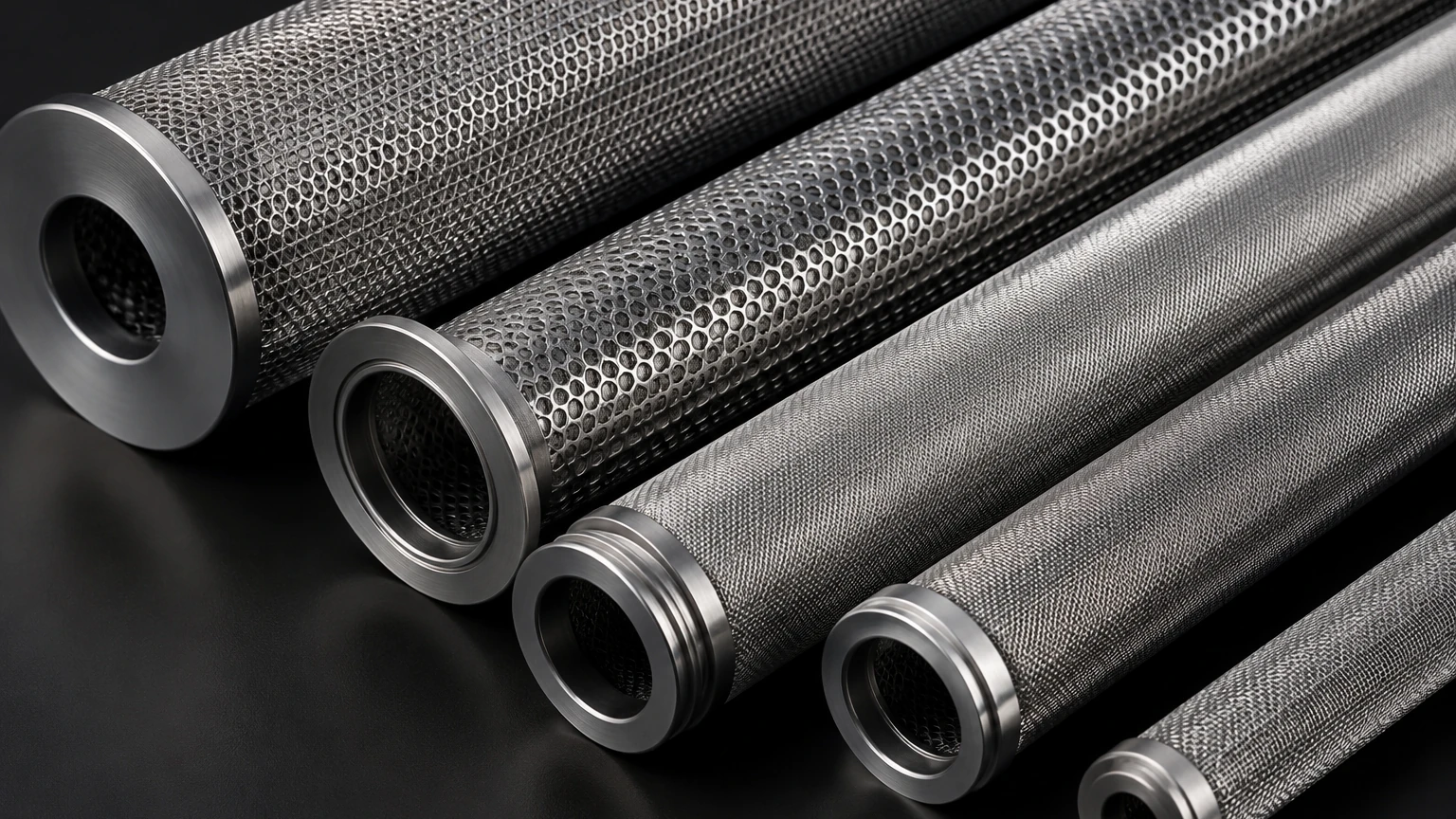
A reactor tubular component, in the context of industrial filtration, typically refers to a cylindrical filter element or a distribution manifold housed within a reactor vessel. These structures are designed to perform several key functions: they facilitate the uniform distribution of reactants, provide a support structure for catalysts, and ensure that the final product is free from particulate contamination.
The geometry of the tubular design is intentional. A cylindrical shape offers the highest surface-area-to-volume ratio for internal vessel space, allowing for high flow rates while minimizing the footprint. Furthermore, the inherent structural strength of a tube allows it to resist both internal and external pressure differentials, which are common in pressurized chemical reactors.
In many applications, the "tubular" element is constructed from sintered metal mesh or wedge wire. Sintered mesh provides exceptional precision in pore size distribution, while wedge wire is often preferred for its robust mechanical strength and non-clogging characteristics. Choosing between these structures requires an understanding of the specific slurry or gas-phase dynamics within the reactor.
Material Selection for Harsh Chemical Environments
The longevity of a reactor tubular element is primarily determined by its resistance to corrosion and thermal degradation. Stainless steel is the industry standard due to its versatility and durability. However, the specific grade of stainless steel must be matched to the chemical composition of the process fluid.
1. AISI 304/304L: Suitable for general-purpose applications where moderate corrosion resistance is required. It is often used in food and beverage reactors where hygiene is paramount but chemical aggressiveness is low.
2. AISI 316/316L: The preferred choice for most chemical and pharmaceutical reactors. The addition of molybdenum provides enhanced resistance to chlorides and organic acids. The 'L' (low carbon) variant is essential for components that require welding, as it prevents carbide precipitation and subsequent intergranular corrosion.
3. Specialty Alloys: In environments involving high concentrations of sulfuric acid or extreme temperatures, alloys such as 904L, Duplex stainless steel, or even Hastelloy may be integrated into the tubular design to ensure a long service life.
Beyond chemical compatibility, the material must maintain its mechanical properties at operating temperatures. Stainless steel retains its structural integrity at temperatures where many polymers would fail, making it the ideal substrate for high-temperature reactor tubular systems.
Filtration Precision and Flow Dynamics
The primary technical specification for any reactor tubular filter is its micron rating. This defines the size of the particles the filter is capable of retaining. In catalyst recovery applications, the filtration precision must be finer than the smallest catalyst particle to prevent "fines" from escaping into the downstream process.
Engineers must balance filtration precision with the allowable pressure drop (ΔP). A finer mesh provides better retention but increases resistance to flow. If the pressure drop across the reactor tubular element becomes too high, it can lead to reduced throughput, increased energy consumption for pumps, or even structural failure of the filter element.
To optimize flow dynamics, Kaifil utilizes multi-layer sintered mesh. This technology involves bonding multiple layers of wire mesh—ranging from fine filtration layers to heavy-duty support layers—into a single, porous plate. This structure provides the precision of a fine mesh with the mechanical rigidity required to handle high flux rates without deforming.
Customization and OEM Manufacturing Capabilities
No two industrial reactors are identical. Variations in vessel size, flow direction, and connection types necessitate a high degree of customization for reactor tubular components. Customization typically involves several key parameters:
* Dimensional Accuracy: Precise length and diameter measurements are required to ensure the tubular element fits perfectly within the reactor's internal housing or manifold.
* End Fittings: Depending on the installation method, tubular elements may require NPT/BSP threaded connections, standard flanges (ANSI, DIN, or JIS), or custom quick-release mechanisms.
* Reinforcement: For reactors operating under extreme pressure or high-viscosity fluids, internal or external perforated cores can be added to the tubular structure to prevent collapsing or bursting.
* Surface Finishes: In pharmaceutical and food-grade applications, the surface of the stainless steel may undergo electropolishing to achieve a specific Ra (roughness average) value, reducing the risk of bacterial growth and making cleaning more effective.
As a dedicated manufacturer, Kaifil works closely with engineering teams to develop OEM solutions that meet these specific technical requirements, ensuring that every reactor tubular component is optimized for its intended environment.
Maintenance, Cleaning, and Replacement Cycles
The total cost of ownership for reactor internals is heavily influenced by their maintainability. Unlike disposable polymer filters, stainless steel reactor tubular elements are designed for long-term use and can be cleaned and reused multiple times.
Cleaning protocols generally fall into three categories:
1. Backwashing: Reversing the flow of fluid through the tubular element to dislodge accumulated particles from the surface of the mesh.
2. Chemical Cleaning (CIP): Using acids, bases, or specialized solvents to dissolve organic or inorganic fouling without removing the filter from the reactor.
3. Ultrasonic Cleaning: For deep-seated particulates within sintered mesh, removing the element and placing it in an ultrasonic bath can restore the original flow characteristics.
Determining the replacement cycle requires monitoring the "clean pressure drop." Once a reactor tubular element can no longer be cleaned to its original ΔP, or if physical inspection reveals signs of wire fatigue or corrosion, the element must be replaced to prevent process failure. Regular maintenance intervals not only extend the life of the filter but also protect downstream equipment from contamination.
Key Considerations for Procurement and Engineering Specifications
When specifying a reactor tubular component for a new project or as a replacement part, technical professionals should confirm the following data points to ensure performance and compatibility:
* Operating Pressure (Normal and Peak): Ensures the structural design can withstand the mechanical load.
* Temperature Range: Influences material selection and the thermal expansion allowances of the fittings.
* Fluid Viscosity: Affects the calculation of the required surface area to maintain desired flow rates.
* Particle Loading: The concentration of solids in the fluid determines how quickly the filter will reach its terminal pressure drop.
* Regulatory Compliance: For specific industries, components may need to meet FDA, 3A, or PED (Pressure Equipment Directive) standards.
By addressing these factors during the design phase, purchasing teams can avoid costly downtime and ensure that the filtration system contributes to the overall efficiency of the reactor.
Conclusion
The reactor tubular element is a small but vital component of the modern industrial reactor. Its ability to withstand harsh chemicals, maintain precise filtration under pressure, and offer a long service life through cleaning makes it an indispensable asset in chemical processing. By focusing on high-quality materials and engineered designs, facilities can achieve higher product purity and more reliable production cycles.
For more information on how our custom stainless steel filtration solutions can support your specific application, or to request a technical consultation, please explore the resources available on our Main Page. Our team is committed to delivering precision-engineered components that meet the most demanding industrial standards.
