


Shaker Dust Collectors
In the landscape of industrial air filtration, shaker dust collectors remain a foundational technology for managing dry particulates. While newer technologies like pulse-jet systems have gained prominence, the mechanical shaker design continues to be a preferred solution for specific industrial applications due to its simplicity, reliability, and cost-effectiveness. For engineers and facility managers, understanding the technical nuances of these systems—from mechanical shaking cycles to the selection of filtration media—is essential for optimizing air quality and operational efficiency.
Shaker dust collectors operate on a relatively straightforward principle: dust-laden air is drawn into the collector, where it passes through filter bags or envelopes. The dust is captured on the surface of the media, and clean air is exhausted. Periodically, the airflow is halted, and a mechanical shaking mechanism agitates the filters to dislodge the accumulated dust cake into a collection hopper. This intermittent cleaning cycle is the defining characteristic of the shaker system.
Understanding the Mechanics of Shaker Dust Collectors
The efficiency of a shaker dust collector is heavily dependent on its mechanical design. Unlike pulse-jet systems that use compressed air for cleaning, shaker units utilize a motor-driven eccentric shaft or a manual lever to vibrate the filter bags. This mechanical action requires the system to be "off-line" during the cleaning process, meaning the primary fan must be shut down to allow the dust to fall freely into the hopper without being pulled back against the filter media by suction.
For continuous operations, engineers often specify multi-compartment shaker systems. In this configuration, individual compartments can be isolated and cleaned while the remaining sections continue to process the airflow. This modular approach ensures that the facility does not experience downtime during cleaning cycles. The frequency and duration of the shaking cycle are critical variables; over-shaking can lead to premature wear of the filter media, while under-shaking results in high differential pressure and reduced suction at the source.
Critical Engineering Considerations for Selection
Selecting the right shaker dust collector requires a deep dive into the specific characteristics of the dust and the operational environment. Several engineering parameters must be evaluated to ensure the system meets performance expectations over its service life.
Air-to-Cloth Ratio
One of the most vital metrics is the air-to-cloth (A/C) ratio, which represents the volume of air passing through a square foot of filter media per minute (expressed in CFM/sq. ft.). Shaker systems typically operate at lower A/C ratios compared to pulse-jet systems, usually ranging from 2:1 to 4:1. A lower A/C ratio reduces the velocity of the air as it passes through the media, which minimizes the deep penetration of fine particles into the filter fabric, thereby extending the life of the filters and making the mechanical shaking more effective.
Particle Size and Characteristics
The physical properties of the dust—such as particle size distribution, abrasiveness, and moisture content—dictate the choice of filtration media. Shaker collectors are highly effective for large to medium-sized particles found in woodworking, metal grinding, and dry chemical processing. However, if the dust is hygroscopic (moisture-absorbing) or oily, it can lead to "blinding," where the dust forms a hard crust that mechanical shaking cannot remove. In such cases, specialized coatings or alternative filtration materials are required.
The Role of Filtration Media and Precision Components
The heart of any dust collection system is the filter media. While traditional shaker systems often utilize woven polyester or cotton bags, modern industrial demands frequently require more robust materials. In high-temperature environments or applications involving corrosive chemicals, standard fabrics may degrade rapidly. This is where the integration of precision-engineered components becomes necessary.
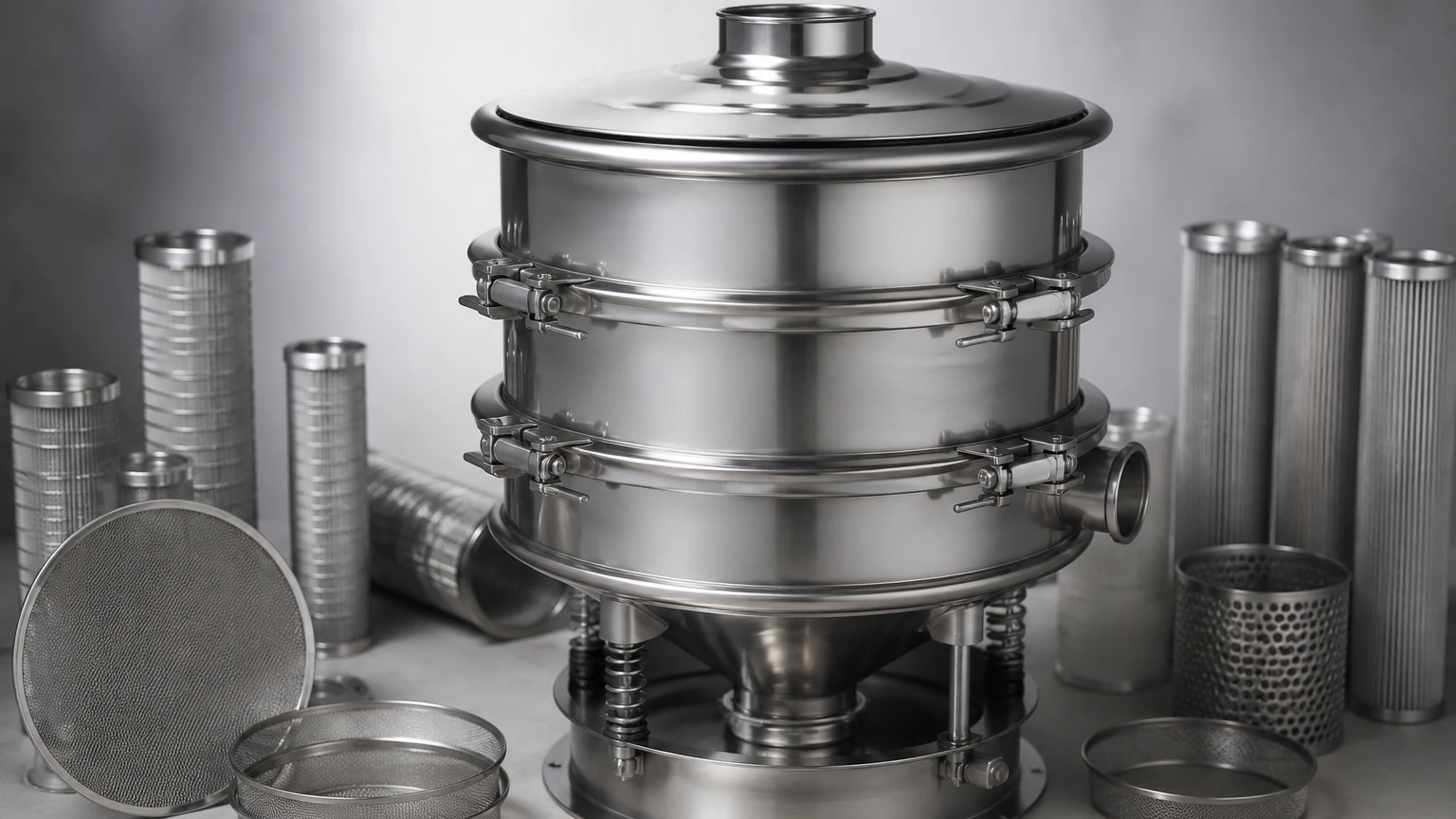
For specialized industrial applications, engineers may look toward stainless steel wire mesh or custom metal filtration components to provide structural support or primary filtration in extreme conditions. Stainless steel offers superior thermal stability and chemical resistance compared to synthetic polymers. When designing a filtration strategy, consulting a professional manufacturer can help in identifying the optimal material composition and weave pattern for specific micron ratings. For detailed specifications on customized filtration components, engineers can visit the Main Page of specialized manufacturers to review material compatibility and performance data.
Performance Metrics and Pressure Drop Management
Monitoring the performance of a shaker dust collector is primarily achieved through the measurement of differential pressure (the difference in air pressure between the dirty and clean sides of the filter). A steady increase in differential pressure indicates the buildup of the dust cake.
1. Baseline Pressure: Upon installation of new filters, the baseline pressure should be recorded.
2. Operating Range: Most systems are designed to operate within a specific pressure range (e.g., 2 to 5 inches of water gauge).
3. Cleaning Trigger: The shaking mechanism should ideally be triggered when the pressure reaches the upper limit of the design range.
If the pressure drop remains high even after a shaking cycle, it may indicate that the filters have reached the end of their functional life or that the shaking mechanism requires adjustment. Engineering teams should also monitor the "interstitial velocity"—the speed of the air between the filter bags—to ensure that dislodged dust actually falls into the hopper rather than being re-entrained onto adjacent bags.
Common Risks and Operational Challenges
Despite their reliability, shaker dust collectors are susceptible to specific operational risks that can compromise safety and efficiency.
Mechanical Wear and Fatigue
Because the cleaning process involves physical vibration, the mechanical linkages, bearings, and the filter bags themselves are subject to fatigue. Over time, the tensioning of the bags may loosen, leading to inefficient cleaning or bag failure. Regular inspection of the shaking drive assembly is mandatory to prevent catastrophic mechanical failure.
Moisture and Condensation
If the temperature of the air stream drops below the dew point inside the collector, moisture will condense on the filter media. This leads to mudding, where the dust turns into a sludge that hardens. Once a bag is mudded, mechanical shaking is usually ineffective, and the bags must be replaced. Insulating the collector housing or installing pre-heaters can mitigate this risk in outdoor installations or high-humidity environments.
Fire and Explosion Risks
Many industrial dusts, such as wood flour, aluminum powder, or certain organic chemicals, are combustible. Shaker dust collectors must be equipped with appropriate explosion venting, fire suppression systems, and grounding to prevent static electricity buildup. The mechanical shaking action itself must be designed to avoid generating sparks in hazardous environments.
Total Cost of Ownership and Maintenance Cycles
When evaluating the procurement of a shaker dust collector, the initial purchase price is only one component of the total cost of ownership (TCO). Engineers must also account for:
* Energy Consumption: While shaker systems do not require expensive compressed air, the large fans required to move air through low A/C ratio systems can consume significant electricity.
* Filter Replacement: The lifespan of filter bags in a shaker system can vary from six months to several years depending on the application. The cost of downtime during bag change-outs should be factored into the TCO.
* Maintenance Labor: Routine inspections of the shaking motor, bushings, and bag tensioning require dedicated maintenance hours.
Compared to pulse-jet collectors, shaker units often have lower maintenance costs regarding the cleaning system itself (no valves or compressors to maintain), but they may require more frequent bag inspections due to the mechanical stress of the shaking action.
Technical Checklist Before Procurement
Before finalizing a specification for a shaker dust collector, purchasing teams and engineers should confirm the following data points with their equipment provider:
* Dust Load: What is the concentration of dust (grains per cubic foot) entering the system?
* Particle Size Distribution (PSD): What percentage of the dust is below 5 microns? This will determine the required filtration efficiency and media type.
* Temperature Profile: What are the minimum, maximum, and operating temperatures of the gas stream?
* Available Footprint: Shaker systems generally require a larger footprint than pulse-jet systems due to the lower A/C ratios.
* Customization Requirements: Does the application require specialized stainless steel components, specific inlet transitions, or explosion-proof motors?
By addressing these technical criteria, industrial facilities can ensure they implement a filtration solution that provides long-term reliability and maintains compliance with environmental and safety regulations. Shaker dust collectors, when engineered correctly and paired with high-quality filtration media, remain a stalwart solution for industrial air quality management.
