


Sock as a Pop Filter
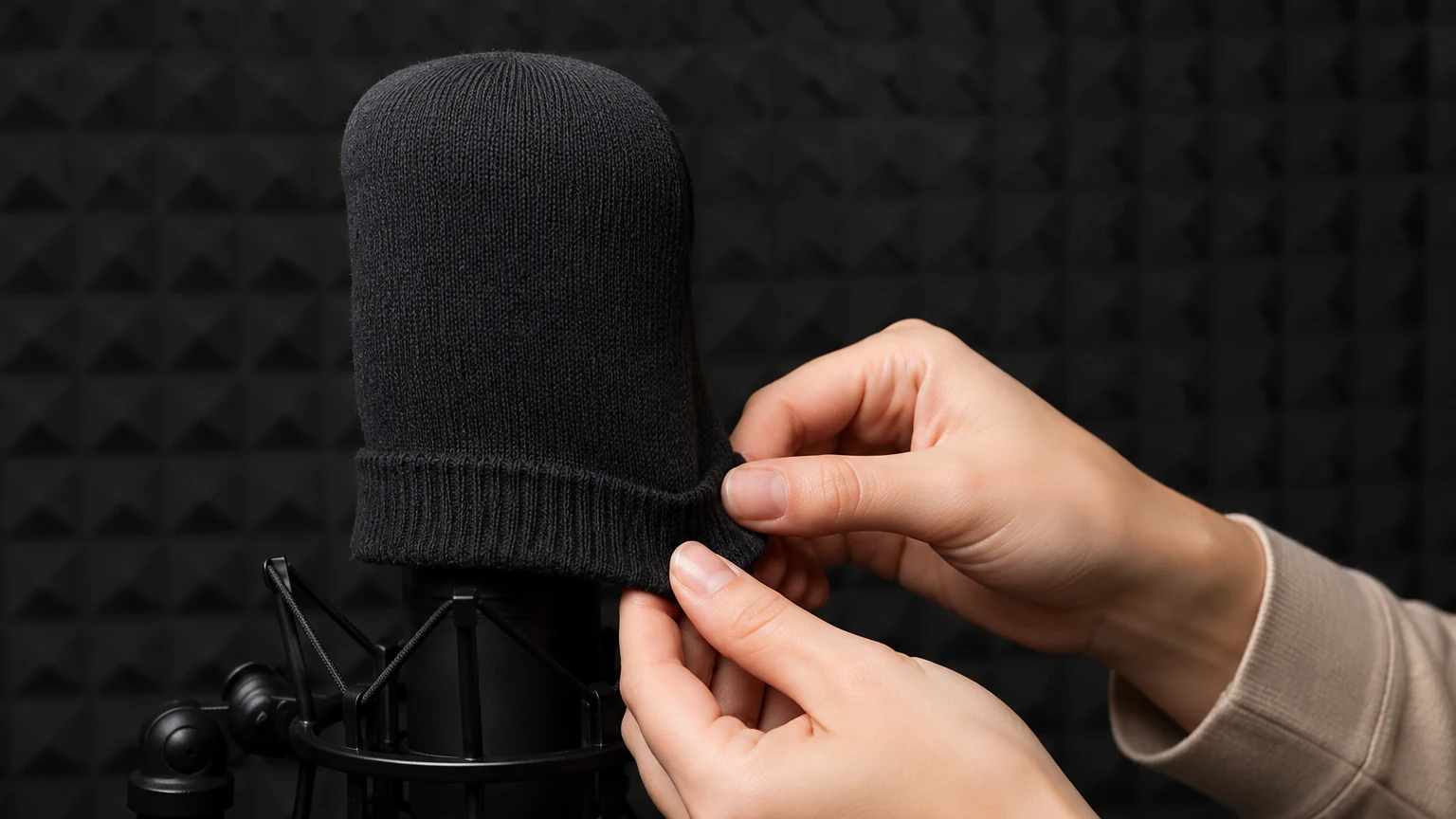
In the realm of acoustic engineering and signal processing, the management of airflow is a critical factor in maintaining signal integrity. While professional environments typically utilize precision-engineered metal mesh or specialized nylon screens, the concept of using a sock as a pop filter often arises in improvised or budget-constrained scenarios. From an industrial filtration perspective, analyzing this DIY solution offers a unique opportunity to explore the fundamental principles of mechanical filtration, material porosity, and the physics of airflow dispersion.
At its core, a pop filter is a specialized filtration device designed to attenuate high-velocity air bursts—specifically plosive sounds like "p," "b," and "t"—without significantly degrading the transmission of high-frequency acoustic waves. Understanding whether a textile-based solution like a sock can effectively replace a professional-grade filter requires a deep dive into material science and engineering considerations.
The Physics of Acoustic Airflow Filtration
To evaluate the efficacy of a sock as a pop filter, one must first understand the mechanical problem it is intended to solve. When a human speaks, certain consonants produce a directed blast of air known as a plosive. In a recording environment, this air blast strikes the microphone diaphragm with enough force to cause mechanical clipping or "popping."
In industrial terms, this is a problem of fluid dynamics. The pop filter acts as a diffuser. As the high-velocity air stream hits the filter media, the energy is dissipated through the complex path of the mesh. A successful filter must achieve two conflicting goals:
1. High Resistance to Low-Frequency Air Bursts: The media must have enough surface area and structural resistance to break up the concentrated air stream.
2. Low Acoustic Impedance: The media must be transparent enough to allow sound waves (which are pressure fluctuations, not bulk air movement) to pass through without being muffled or filtered out.
When using a sock as a pop filter, the user is essentially employing a non-woven or knitted textile as a diffusion layer. While this can provide some level of air dispersion, the lack of precision in the weave often leads to inconsistent results compared to the calibrated apertures found in industrial-grade stainless steel wire mesh.
Evaluating the "Sock as a Pop Filter" Method
Engineers and technical professionals often look for measurable performance metrics when selecting filtration media. When analyzing a common household sock for this purpose, several variables come into play that affect its performance as a mechanical barrier.
Material Porosity and Density
Socks are typically manufactured from cotton, polyester, wool, or nylon blends. These materials are characterized by high fiber density and irregular pore sizes. In a filtration context, a sock acts as a depth filter rather than a surface filter. Because the fibers are thick and the gaps are inconsistent, the material tends to absorb a significant amount of high-frequency energy. This results in a "muddy" or muffled sound, which is a form of unintended signal filtration.
Layering and Airflow Resistance
One common recommendation for the DIY approach is to stretch the sock over a wire frame or directly over the microphone. The tension applied to the fabric changes its porosity. If the sock is too loose, the fibers remain bunched, creating a high-pressure drop that blocks too much sound. If stretched too thin, the gaps may become large enough to allow plosive air bursts to pass through unfiltered. Achieving the precise balance required for professional-grade performance is difficult with non-standardized textiles.
Moisture Absorption and Hygiene
In industrial filtration, moisture management is a key performance indicator. Organic fibers like cotton are hygroscopic, meaning they absorb moisture from the air and from the speaker's breath. Over time, this moisture accumulation can lead to several issues:
* Bacterial Growth: Damp organic fibers are an ideal breeding ground for microbes, presenting a hygiene risk.
* Material Degradation: Constant moisture can weaken the fibers, leading to shedding or "linting," which can contaminate the sensitive internal components of a microphone.
* Acoustic Changes: As the fibers saturate, their mass increases, further altering the acoustic transparency of the filter.
For those seeking reliable, long-term filtration solutions, reviewing professional options is essential. You can explore a wide range of precision-engineered components on our Main Page.
Technical Risks of Improvised Filters
While a sock might serve as a temporary stopgap, it introduces several technical risks that can compromise professional workflows. For purchasing teams and engineers, understanding these risks is vital for making informed decisions about equipment procurement.
Frequency Response Distortion
Every filter media has a "transfer function." In acoustics, this refers to how the filter changes the frequency content of the signal. Industrial metal mesh filters are designed with specific "open area" percentages (often between 30% and 60%) to ensure that sound waves pass through with minimal diffraction. A sock, due to its thick and irregular fibers, often acts as a low-pass filter, inadvertently cutting off the clarity and detail in the higher frequency ranges.
Durability and Repeatability
In a B2B or industrial environment, repeatability is paramount. A process must yield the same results every time. Because socks are not manufactured to filtration tolerances, no two socks will perform exactly the same. Furthermore, the elastic nature of the fabric means its performance will change as it stretches and wears over time. In contrast, stainless steel filter cartridges and mesh screens provide a rigid, stable geometry that ensures consistent performance over thousands of hours of use.
The Industrial Alternative: Precision Metal Mesh
At Kaifil, we specialize in the manufacturing of custom stainless steel filtration solutions. While our products are often used in chemical processing, hydraulic systems, and water treatment, the engineering principles we apply are the same ones that govern high-end acoustic filtration.
Why Stainless Steel Over Textiles?
1. Controlled Aperture Size: We can manufacture wire mesh with micron-level precision. This allows for the creation of a pop filter that blocks air bursts while remaining almost entirely transparent to sound.
2. Corrosion Resistance: Unlike organic fabrics, T-304 and T-316 stainless steel are resistant to moisture and saliva. They do not degrade, rust, or harbor bacteria, making them the gold standard for hygienic applications.
3. Ease of Cleaning: Metal filters can be ultrasonically cleaned or sanitized with alcohol without damaging the structural integrity of the mesh. A sock, conversely, must be laundered, which further alters its shape and filtration properties.
4. Structural Integrity: A metal mesh filter maintains its shape. It does not sag or stretch, ensuring that the distance between the source and the filter remains constant, which is critical for maintaining a consistent acoustic environment.
Engineering Considerations for Filter Selection
When transitioning from an improvised solution like a sock to a professional-grade filter, engineers should confirm several key specifications to ensure the product meets their application requirements.
Micron Rating and Open Area
For air dispersion applications, the micron rating (the size of the particles the filter can block) is less important than the percentage of open area. A higher open area percentage allows for better signal transmission, while the wire diameter and weave pattern (such as plain weave or twill weave) determine how effectively the air bursts are dispersed.
Material Compatibility
In industrial environments, the filter must be compatible with the surrounding atmosphere. Stainless steel is preferred for its longevity and resistance to environmental factors. For specialized applications, Kaifil provides customized filtration components tailored to specific chemical or thermal demands.
Customization Options
Every application has unique physical constraints. Whether you need a specific diameter, a custom mounting frame, or a multi-layered mesh configuration to handle high-velocity airflows, customization is key. Improvised solutions like socks cannot be scaled or standardized for industrial use.
Total Cost of Ownership (TCO)
While the initial cost of using a sock as a pop filter is virtually zero, the total cost of ownership in a professional setting can be high. This includes the cost of lost time due to poor audio quality, the need for frequent replacements, and the potential risk to expensive equipment from fiber shedding or moisture. Investing in a high-quality stainless steel filtration solution from a reliable manufacturer like Kaifil ensures long-term reliability and superior performance.
Conclusion: Making the Professional Choice
The use of a sock as a pop filter serves as an interesting case study in mechanical filtration, but it falls short of the standards required for professional and industrial applications. The lack of precision, poor hygiene, and negative impact on signal quality make it an unsuitable choice for long-term use.
For engineers, purchasing agents, and technical professionals, the focus should always be on precision, durability, and performance. By selecting engineered filtration media, you ensure that your systems—whether acoustic, hydraulic, or chemical—operate at peak efficiency.
If you are looking for dependable, high-performance filtration components designed to meet demanding industrial environments, we invite you to review our product options and application support on our Main Page. From wire mesh filters to custom stainless steel cartridges, Kaifil provides the technical expertise and manufacturing capabilities to support your most critical filtration needs.
