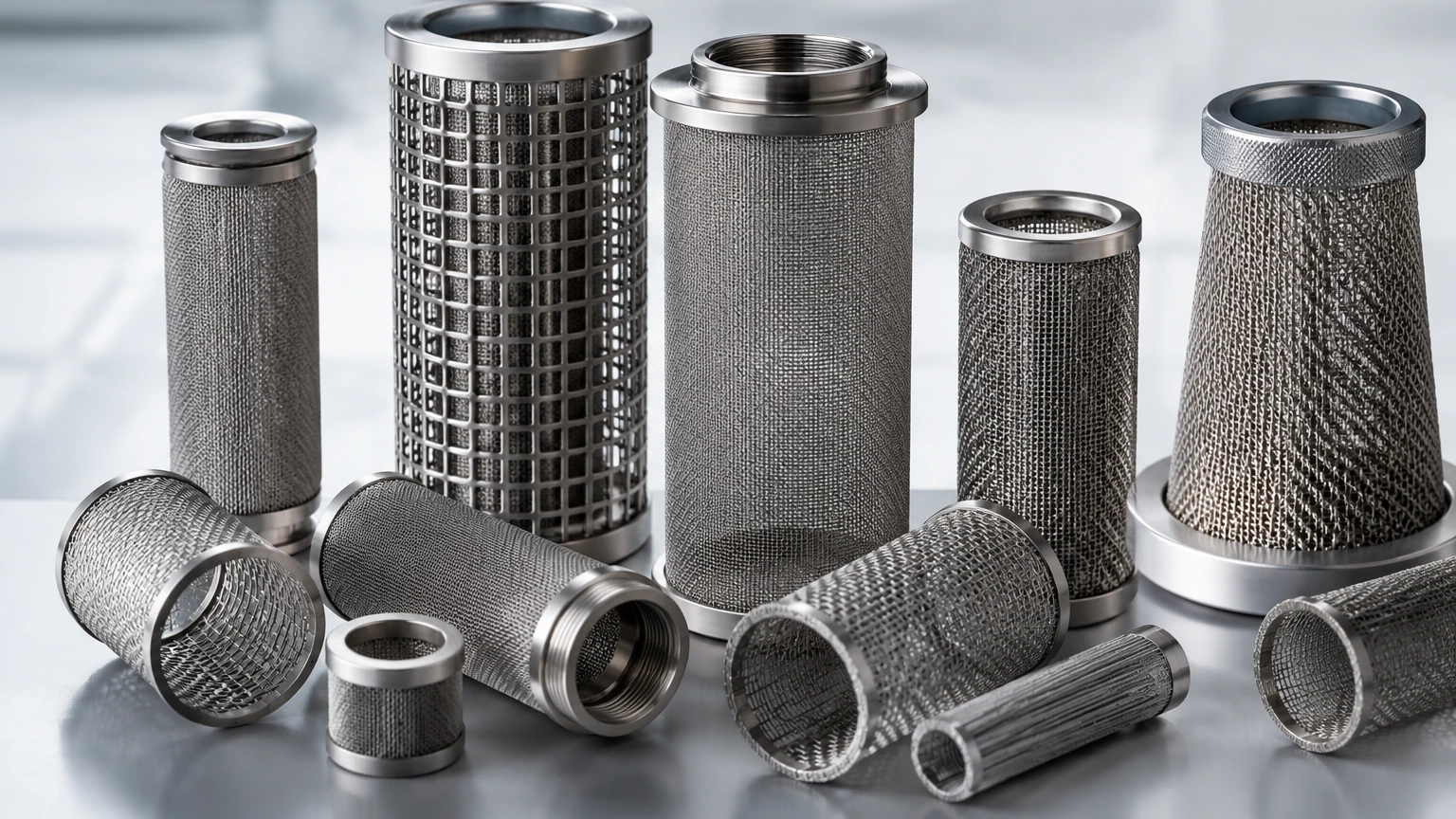
Sock Filters
In the landscape of industrial liquid processing, sock filters—often referred to as bag filters or strainer socks—represent one of the most versatile and cost-effective methods for removing particulate matter from process streams. These components are essential for protecting downstream equipment, ensuring product purity, and maintaining the efficiency of closed-loop systems. While the concept of a "sock" suggests simplicity, the engineering behind these filters involves complex considerations of material science, fluid dynamics, and mechanical design. For engineers and procurement professionals, selecting the appropriate filtration media requires a deep understanding of how these variables interact within a specific industrial environment.
The Role of Sock Filters in Industrial Process Streams
Sock filters serve as a primary or secondary defense mechanism in fluid handling systems. Their primary function is to capture solid contaminants from liquids as they pass through the filter media. Unlike complex centrifugal separators or high-pressure membrane systems, sock filters operate on a relatively straightforward pressure-driven principle: fluid enters the open end of the sock, passes through the porous walls, and exits the system, leaving debris trapped inside the filter body.
In industrial applications, these filters are commonly deployed in batch processing, water treatment, and chemical manufacturing. They are particularly effective at handling high flow rates and high solids loading, making them ideal for pre-filtration stages. By removing larger particles before they reach more sensitive components—such as high-precision membranes or fine-mist nozzles—sock filters significantly extend the service life of the entire filtration train. For technical teams, the goal is to balance filtration fineness with the need to maintain consistent flow rates and minimize system downtime.
Material Engineering: Synthetic vs. Stainless Steel Mesh
The performance of sock filters is largely dictated by the material used in their construction. Traditional industrial socks are often made from synthetic fibers like polyester, polypropylene, or nylon. These materials offer excellent chemical compatibility for many standard applications and are typically treated as disposable components. However, in demanding environments involving high temperatures, aggressive solvents, or high-pressure differentials, synthetic materials may reach their physical limits.
As a specialist in precision metal filtration, Kaifil provides advanced alternatives to traditional fabric socks. Stainless steel wire mesh filters offer distinct advantages in industrial settings. Unlike synthetic fibers, stainless steel (typically Grade 304 or 316L) provides superior structural integrity and thermal resistance. In applications where the process fluid exceeds 200°F (93°C) or where the fluid is highly alkaline or acidic, stainless steel is often the only viable choice. Furthermore, stainless steel mesh is cleanable and reusable, which can significantly reduce the total cost of ownership over time compared to a constant cycle of purchasing and disposing of synthetic bags.
Key Performance Metrics: Micron Rating and Flow Capacity
When evaluating sock filters, the micron rating is the most critical specification. This rating defines the size of the particles the filter is designed to trap. Industrial filters are categorized into two types of ratings:
1. Nominal Rating: This indicates the filter's ability to trap a specific percentage (usually 60% to 80%) of particles of a given size. It is a general guideline for non-critical applications.
2. Absolute Rating: This represents a much higher efficiency (typically 99% or higher), ensuring that virtually no particles above the specified micron size pass through the media.
For engineers, selecting the micron rating involves a trade-off. A finer mesh provides cleaner fluid but increases the resistance to flow, leading to a higher initial pressure drop. If the micron rating is too small for the application, the sock will clog prematurely, necessitating frequent changes. Conversely, a rating that is too coarse will allow contaminants to bypass the filter, potentially damaging downstream equipment. Calculating the optimal surface area is essential to ensure that the flow velocity remains within the manufacturer’s recommended limits, preventing "blind-off" or premature failure of the media.
Structural Integrity and Housing Compatibility
A sock filter is only as effective as its seal within the filter housing. Most industrial systems utilize a metal support basket (also known as a retainer basket) to prevent the sock from bursting under the weight of the trapped solids and the pressure of the fluid. The interface between the filter and the housing is typically managed by a ring or flange at the top of the sock.
These rings are available in various materials, including galvanized steel, stainless steel, and various plastics. The choice of ring material must match the chemical and thermal profile of the process fluid to prevent bypass. A common failure point in filtration systems is "bypass," where fluid leaks around the top of the filter rather than passing through it. This is often caused by an improperly seated ring or a ring material that has deformed under high temperatures. Precision-engineered metal flanges provide the most reliable seal, ensuring that 100% of the fluid is forced through the filtration media.
Operational Challenges: Managing Differential Pressure
In any filtration system, the differential pressure (Delta P) is the primary indicator of filter health. As sock filters capture debris, the available flow paths through the media become restricted, causing the pressure on the inlet side to rise relative to the outlet side. Industrial operators must monitor this pressure differential closely.
Most systems are designed with a recommended "change-out" pressure. If a filter is allowed to operate beyond this limit, several risks emerge:
* Media Migration: The high pressure may cause fibers from a synthetic filter to break loose and enter the process stream.
* Particle Breakthrough: High pressure can force previously trapped contaminants through the pores of the filter.
* Structural Failure: In extreme cases, the sock may rupture, leading to a total loss of filtration and potential damage to pumps and valves downstream.
Implementing a scheduled maintenance routine based on pressure monitoring is essential for maintaining system integrity. For those looking to optimize their current setup, you can Main Page to review product options and application support that can help mitigate these operational risks.
Customization for Specific Industrial Requirements
Every industrial process has unique variables, from the viscosity of the fluid to the specific geometry of the piping. Standard, off-the-shelf sock filters may not always meet the rigorous demands of specialized manufacturing. This is where customization becomes a critical factor in engineering success.
Customization options often include:
* Variable Dimensions: Adjusting the length and diameter of the sock to fit non-standard housings or to increase the total filtration surface area.
* Multi-Layered Media: Combining different mesh sizes or materials to create a gradient density filter, which can capture a wider range of particle sizes and extend service life.
* Reinforced Construction: Adding heavy-duty mesh shrouds or specialized stitching to handle high-viscosity fluids or extreme flow surges.
Kaifil works closely with global customers to develop these high-performance, customized filtration components. By focusing on the specific engineering challenges of the client—whether it involves chemical processing or water treatment—customized solutions ensure that the filtration system performs reliably under demanding conditions.
Economic Analysis: Disposable vs. Cleanable Filtration Systems
The decision between using disposable synthetic sock filters and permanent stainless steel filters is often driven by a total cost of ownership (TCO) analysis. While synthetic socks have a lower initial purchase price, the recurring costs of replacement, shipping, storage, and disposal (especially if the waste is hazardous) can be substantial.
In contrast, stainless steel mesh filters require a higher upfront investment but offer significant long-term savings. Because they can be cleaned via backwashing, ultrasonic cleaning, or chemical baths, they can remain in service for years. For high-volume production lines where downtime for filter changes is costly, the durability of metal filtration components provides a clear operational advantage. Engineers must weigh the labor costs associated with cleaning against the material costs and waste management challenges of disposable options.
Conclusion: Selecting the Right Solution
Choosing the right sock filters is a technical decision that impacts the reliability and efficiency of an entire industrial operation. By considering the chemical compatibility of the media, the precision of the micron rating, and the structural requirements of the application, technical teams can ensure optimal performance. Whether the requirement is for standard synthetic bags or high-precision, custom-designed stainless steel mesh components, understanding the factual boundaries of the technology is the first step toward effective filtration.
For organizations seeking to improve their filtration outcomes, focusing on quality manufacturing and engineering expertise is paramount. Reliable filtration components do more than just clean a fluid; they protect the integrity of the process and the quality of the final product. To explore how specialized metal filtration can enhance your specific application, visit the Main Page for comprehensive technical resources and customized design assistance.