


Sparge with Nitrogen
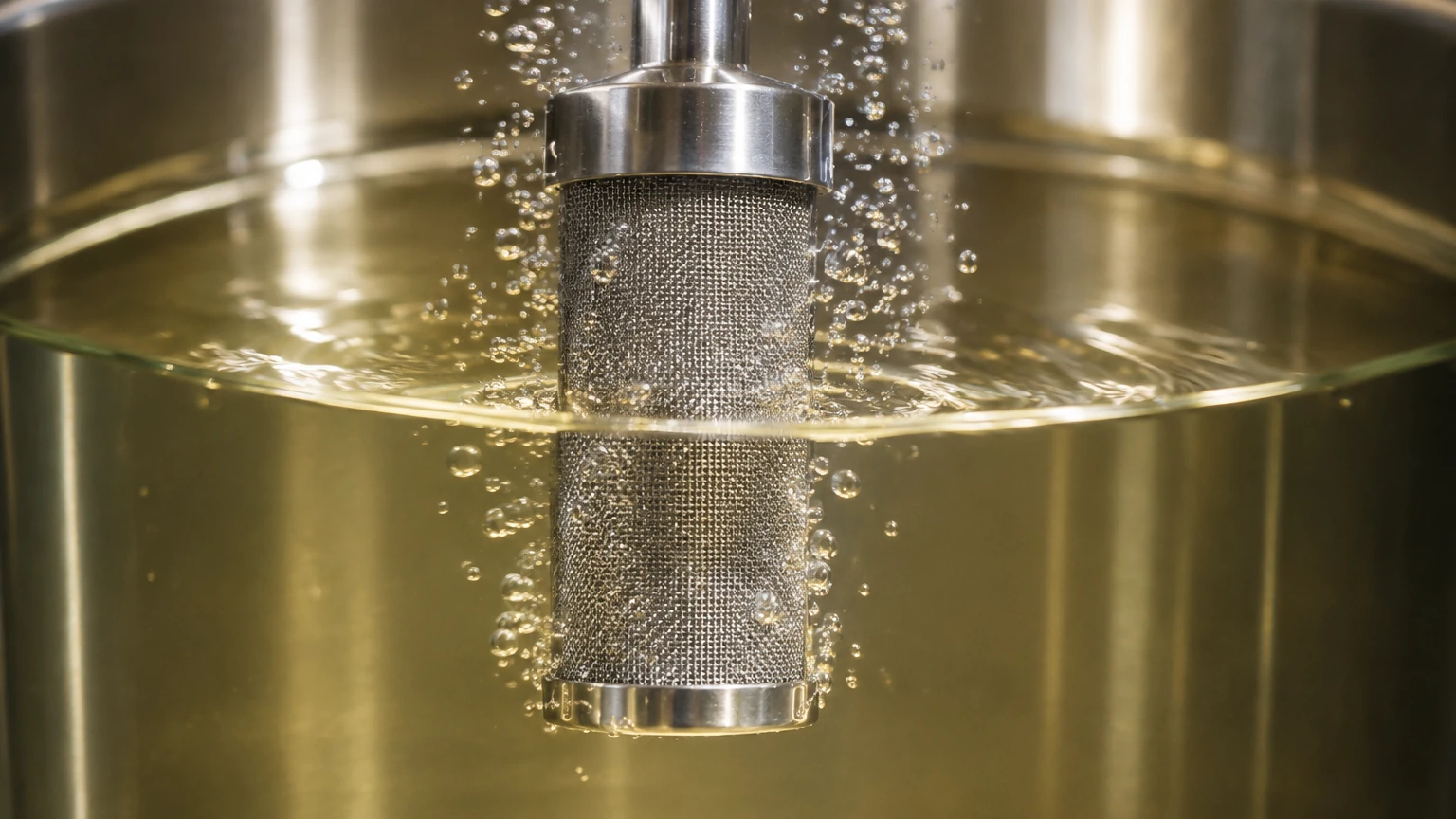
In industrial liquid processing, the presence of dissolved gases—particularly oxygen—can lead to oxidative degradation, reduced shelf life, and compromised chemical stability. To mitigate these risks, engineers frequently employ a process known as nitrogen sparging. To sparge with nitrogen is to inject the inert gas into a liquid through a porous medium, creating a multitude of fine bubbles that facilitate the mass transfer of unwanted dissolved gases out of the solution.
This technical guide explores the engineering principles behind nitrogen sparging, the critical hardware components required for efficient operation, and the selection criteria for industrial-grade sparging systems. For those seeking specialized components for these applications, exploring the Main Page of a professional filtration manufacturer provides insights into the high-precision metal components necessary for effective gas-liquid contact.
The Fundamentals of Nitrogen Sparging in Industrial Processes
Nitrogen sparging, often referred to as gas stripping, relies on the principles of partial pressure and concentration gradients. According to Henry’s Law, the amount of a specific gas dissolved in a liquid is proportional to its partial pressure in the gas phase above or within that liquid. When you sparge with nitrogen, you introduce a gas phase with zero partial pressure of oxygen. This creates a significant concentration gradient, forcing dissolved oxygen to move from the liquid phase into the nitrogen bubbles.
As these nitrogen bubbles rise through the liquid column, they "collect" the dissolved oxygen (and other volatile impurities) and carry them to the surface, where they are vented. This process is essential in industries where product purity and stability are paramount. Unlike chemical de-aeration, nitrogen sparging is a physical process that does not introduce additives into the product, making it the preferred method for food, beverage, and pharmaceutical applications.
Engineering Efficiency: Why Bubble Size and Surface Area Matter
The efficiency of a sparging operation is directly related to the total surface area available for mass transfer. In engineering terms, the rate of gas exchange is governed by the equation:
**N = kLa(C* – C)**
Where:
* N is the mass transfer rate.
* kL is the mass transfer coefficient.
* a is the interfacial area per unit volume.
* C* is the equilibrium concentration.
* C is the actual concentration in the liquid.
To maximize the "a" variable (interfacial area), engineers must generate the smallest bubbles possible. A single large bubble has significantly less surface area than the equivalent volume of gas divided into thousands of micro-bubbles. Smaller bubbles also rise more slowly through the liquid, increasing the contact time (residence time) and allowing more oxygen to diffuse into the nitrogen.
This is why the choice of sparging media is critical. Traditional drilled pipes or simple nozzles produce large, turbulent bubbles that rise quickly and offer poor efficiency. In contrast, sintered porous metal spargers are designed with controlled micron ratings to produce a dense cloud of micro-bubbles, drastically reducing the time and volume of nitrogen required to reach target oxygen levels.
Material Selection: The Advantages of Sintered Stainless Steel Spargers
When selecting hardware to sparge with nitrogen, material durability and pore precision are the primary considerations. Sintered stainless steel, typically 316L grade, is the industry standard for several reasons:
1. Corrosion Resistance: 316L stainless steel offers excellent resistance to a wide range of industrial chemicals, organic acids, and high-temperature environments, ensuring the sparger does not contaminate the process fluid.
2. Structural Integrity: Unlike ceramic or plastic diffusers, sintered metal can withstand high differential pressures and mechanical stresses. This is vital in high-viscosity liquids or pressurized reactor vessels.
3. Uniform Porosity: The sintering process allows for precise control over pore size distribution. This ensures that the nitrogen is distributed evenly across the entire surface of the sparger, preventing "channeling" where gas escapes through a few large openings.
4. Temperature Stability: Sintered metal components maintain their shape and filtration/sparging characteristics even at extreme temperatures, which is often necessary in chemical synthesis and steam-sterilization processes.
For engineers designing these systems, sourcing components from a manufacturer specializing in custom stainless steel filtration solutions is essential. Detailed specifications on these components can be found on the Main Page of specialized providers.
Key Applications Across the Chemical and Food Industries
The decision to sparge with nitrogen is driven by specific process goals across various sectors:
Food and Beverage Production
In the production of edible oils, fruit juices, and wine, oxygen is the primary enemy of quality. Dissolved oxygen leads to the oxidation of fats (rancidity) and the degradation of vitamins and aromatic compounds. Nitrogen sparging is used during storage and packaging to ensure the product remains stable. In the wine industry, sparging is used to remove dissolved CO2 or O2 precisely before bottling to achieve the desired mouthfeel and longevity.
Chemical Processing
Many chemical reactions are sensitive to oxygen or moisture. Sparging nitrogen through reactants can prevent unwanted side reactions, such as polymerization or the formation of explosive peroxides. It is also used to "blanket" tanks, where the nitrogen used for sparging eventually forms an inert layer above the liquid, preventing atmospheric oxygen from re-entering the solution.
Pharmaceutical and Biotech
In bioreactors, precise gas control is mandatory. While oxygen is often added for aerobic fermentation, nitrogen sparging is used to strip out metabolic byproducts like carbon dioxide that can inhibit cell growth. Furthermore, in the filling of vials and ampoules, sparging the liquid medicine ensures that no oxygen is trapped within the container, which is critical for the shelf life of injectable drugs.
Technical Considerations for Sparger Design and Installation
To achieve optimal results when you sparge with nitrogen, several design parameters must be evaluated during the engineering phase:
Micron Rating Selection
The micron rating of the porous metal determines the initial bubble size. While smaller pores (e.g., 0.5 to 2 microns) provide the highest surface area, they also require a higher "bubble point" pressure to overcome the surface tension of the liquid. Engineers must balance the desired efficiency with the available gas supply pressure.
Flow Rate and Velocity
If the gas exit velocity is too high, small bubbles may coalesce into larger ones near the surface of the sparger, defeating the purpose of the porous media. Spargers should be sized to maintain a low flux (gas flow per unit area) to ensure the bubbles remain discrete and fine.
Tank Geometry and Placement
Spargers should ideally be placed at the lowest point of a vessel to maximize the vertical travel distance of the bubbles. In agitated tanks, placing the sparger beneath the impeller can further break up bubbles and improve distribution, although this requires careful consideration of the mechanical loads on the sparger assembly.
Maintenance and Cleaning Protocols for Industrial Spargers
Because sintered metal spargers contain thousands of microscopic pathways, they are susceptible to fouling if the liquid contains suspended solids or if the product can crystallize within the pores. To maintain the ability to sparge with nitrogen effectively, a regular maintenance schedule is required.
* CIP (Clean-in-Place): Many stainless steel spargers are designed for CIP cycles, where cleaning agents are circulated through the system. Backflushing with clean gas or liquid is often effective in dislodging surface particulates.
* Ultrasonic Cleaning: For heavy fouling, removing the sparger and placing it in an ultrasonic bath with a compatible solvent can restore original permeability by vibrating contaminants out of the deep pore structure.
* Chemical Cleaning: Nitric acid or other passivating agents may be used to remove mineral scale or organic deposits, provided the material is 316L stainless steel.
Selecting the Right Partner for Custom Filtration Solutions
Implementing an effective nitrogen sparging system requires more than just off-the-shelf components. It requires an understanding of the specific fluid dynamics, chemical compatibility, and required filtration/sparging accuracy of the application. Customization options—such as specific thread types (NPT, BSP), flange connections, and varying lengths of the porous element—allow for seamless integration into existing infrastructure.
Kaifil specializes in manufacturing these high-performance components, offering OEM and customized designs that meet the rigorous demands of industrial environments. By focusing on precision engineering and quality materials, Kaifil helps technical teams achieve reliable and cost-effective gas-liquid contact solutions. To learn more about customized stainless steel filter cartridges and sparging components, visit the Main Page for detailed product specifications and application support.
In conclusion, the process to sparge with nitrogen is a cornerstone of modern industrial quality control. By selecting the correct sintered metal hardware and adhering to sound engineering principles regarding bubble dynamics and mass transfer, facilities can significantly improve product stability, safety, and process efficiency. Whether for a small-scale pharmaceutical batch or a large-scale chemical reactor, the right sparging technology is a critical investment in process excellence.
