


Sparged Meaning
In the context of industrial engineering and chemical processing, understanding the technical sparged meaning is essential for optimizing gas-liquid interactions. At its most fundamental level, "sparged" refers to the process of introducing a gas into a liquid through a specialized device known as a sparger. This technique is not merely about bubbling gas through a fluid; it is a precision-engineered method designed to maximize the interfacial surface area between the two phases to facilitate efficient mass transfer, chemical reactions, or physical agitation.
For engineers and procurement professionals, the sparged meaning extends beyond the definition to encompass the mechanical components, material science, and fluid dynamics required to achieve specific process outcomes. Whether the goal is oxygenating a bioreactor, stripping volatile organic compounds from wastewater, or carbonating a beverage, the effectiveness of the sparging process depends heavily on the design and material of the filtration and injection media used.
The Technical Fundamentals of Sparging
To grasp the full sparged meaning, one must look at the physics of bubble formation. When gas is forced through a porous medium or a perforated pipe submerged in liquid, it breaks into discrete bubbles. The size, distribution, and velocity of these bubbles dictate the efficiency of the entire system.
Mass Transfer and Surface Area
In industrial applications, the primary objective of sparging is often mass transfer—the movement of molecules from the gas phase into the liquid phase (or vice versa). The rate of mass transfer is governed by the equation for the mass transfer coefficient ($k_La$). A critical component of this equation is the interfacial area ($a$).
By using porous metal spargers, such as those manufactured from sintered stainless steel, engineers can create millions of tiny, uniform bubbles rather than a few large ones. Because the surface-area-to-volume ratio of a sphere increases as its diameter decreases, smaller bubbles provide a significantly larger surface area for the gas and liquid to interact. This is why the sparged meaning in high-performance environments is synonymous with "fine bubble diffusion."
Bubble Residence Time
Another factor in the sparged meaning is the residence time. Smaller bubbles rise more slowly through a liquid column than larger bubbles due to buoyancy and drag forces. This increased residence time allows more time for the gas to dissolve or react with the liquid, further enhancing the efficiency of the process. In deep-tank fermentation or large-scale chemical reactors, maximizing residence time is a key design priority.
Types of Sparging Systems and Hardware
The implementation of sparging varies based on the industry and the specific requirements of the fluid. Understanding the hardware associated with the sparged meaning helps in selecting the right equipment for a given application.
Perforated Pipe Spargers
The simplest form of a sparger is a pipe with drilled holes. While cost-effective and easy to install, these often produce large bubbles and uneven gas distribution. They are typically reserved for applications where high-efficiency mass transfer is not the primary concern, such as simple tank agitation.
Porous Metal Spargers
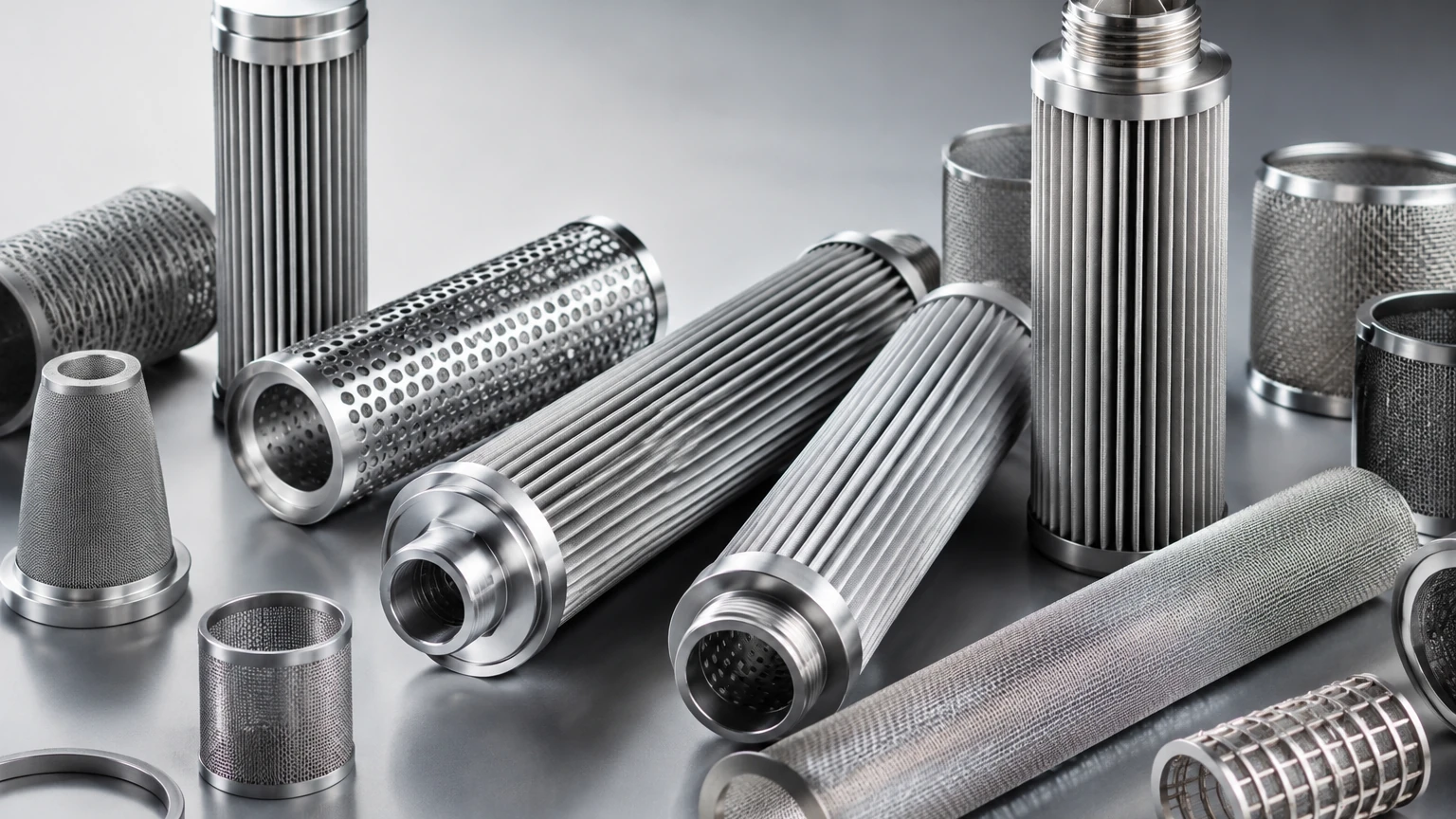
For precision applications, porous metal spargers—often made from sintered stainless steel wire mesh or metal powder—are the industry standard. These components feature a controlled pore structure that ensures a uniform flow of gas and the creation of micro-bubbles. Kaifil specializes in these high-performance components, providing the durability and precision required for demanding industrial environments. You can explore more about these technical solutions on our Main Page.
Venturi and Static Mixer Spargers
In some continuous flow processes, gas is injected into a flowing liquid stream using a Venturi effect or a static mixer. This method uses the kinetic energy of the fluid to shear the gas into small bubbles. While effective for in-line processing, these systems require careful pressure management to prevent backflow.
Industrial Applications of Sparging
The sparged meaning is best illustrated through its diverse range of applications across various sectors. Each industry utilizes the process to solve specific engineering challenges.
Biotechnology and Pharmaceutical Fermentation
In aerobic fermentation, microorganisms require a constant supply of dissolved oxygen to grow and produce secondary metabolites. Sparging air or pure oxygen into the fermentation broth is critical. Because many biological cultures are shear-sensitive, the sparging system must provide high oxygen transfer rates without creating excessive mechanical stress that could damage the cells.
Chemical Processing and Hydrogenation
Many chemical reactions involve the introduction of a gaseous reactant into a liquid catalyst or substrate. Hydrogenation, for example, requires hydrogen gas to be sparged into oils or chemical intermediates. In these environments, the sparged meaning is tied to safety and reaction kinetics; uniform gas distribution prevents "hot spots" and ensures a consistent reaction rate throughout the vessel.
Food and Beverage Production
Carbonation is perhaps the most well-known application of sparging. Injecting $CO_2$ into water, beer, or soda requires precise control to ensure the gas is fully dissolved and does not create excessive foam. Additionally, nitrogen sparging (often called nitrogen stripping) is used to remove dissolved oxygen from edible oils and juices to prevent oxidation and extend shelf life.
Water and Wastewater Treatment
In aeration tanks, sparging is used to provide oxygen to aerobic bacteria that break down organic matter. It is also used in air flotation units, where tiny bubbles attach to suspended solids or oil droplets, carrying them to the surface for removal. In these large-scale operations, the energy efficiency of the sparging system is a major operational cost factor.
Engineering Considerations for Sparger Selection
When an engineer evaluates the sparged meaning for a new project, several technical parameters must be confirmed. Selecting the wrong sparger can lead to gas wastage, incomplete reactions, or frequent equipment failure.
Micron Rating and Pore Size
The micron rating of a porous sparger determines the initial bubble size. While smaller pores create smaller bubbles and better mass transfer, they also result in a higher pressure drop. Engineers must balance the desired filtration/injection accuracy with the available gas pressure in the facility.
Material Compatibility
Industrial fluids can be highly corrosive or operate at extreme temperatures. Stainless steel (316L) is the most common material for spargers due to its excellent corrosion resistance and ability to withstand high-pressure differentials. For specialized chemical environments, materials like Hastelloy or Titanium may be required. The sparged meaning in these contexts includes the long-term structural integrity of the component under chemical attack.
Flow Rate and Exit Velocity
The velocity at which gas exits the sparger surface is critical. If the exit velocity is too high, bubbles may coalesce (merge) into larger bubbles immediately upon formation, defeating the purpose of using a fine-pore sparger. Designing for the correct "flux" (gas flow per unit area of the sparger) is essential for maintaining performance.
Maintenance, Cleaning, and Longevity
A practical understanding of the sparged meaning must include the lifecycle of the equipment. Because spargers are often submerged in complex fluids, they are susceptible to fouling.
Fouling and Clogging
In biological or chemical reactors, solids can accumulate on the surface or within the pores of the sparger. This increases the pressure drop and reduces the uniformity of gas distribution. Identifying the type of fouling—whether it is biological (biofilm), chemical (scaling), or particulate—is the first step in establishing a maintenance protocol.
Cleaning Procedures
One of the advantages of stainless steel spargers is their cleanability. They can often be cleaned in situ using Clean-in-Place (CIP) cycles with caustic or acidic solutions. For heavy fouling, ultrasonic cleaning or furnace burnout (for organic contaminants) can restore the sparger to its original permeability. Understanding the sparged meaning involves knowing when a component can be cleaned and when it has reached the end of its functional life and requires replacement.
Total Cost of Ownership in Sparging Systems
For procurement teams, the sparged meaning is often viewed through the lens of total cost of ownership (TCO). While a simple perforated pipe has a low initial cost, the operational inefficiencies—such as wasted gas, longer reaction times, and higher energy consumption for compressors—often make high-quality porous metal spargers a more cost-effective choice in the long run.
Investing in precision-engineered sparging components ensures:
* Reduced Gas Consumption: Higher mass transfer efficiency means less gas is needed to achieve the desired dissolved gas concentration.
* Improved Product Quality: Consistent bubble size leads to more uniform reactions and better control over the final product characteristics.
* Lower Energy Costs: Efficient spargers can operate at optimized pressures, reducing the load on gas delivery systems.
Conclusion
The sparged meaning is a vital concept in modern industrial processing, representing the intersection of fluid dynamics, material science, and process engineering. By choosing the right sparging technology, facilities can significantly enhance their operational efficiency, ensure product consistency, and reduce environmental impact.
As a professional manufacturer of stainless steel filtration and sparging solutions, Kaifil provides the technical expertise and customized components necessary for high-performance gas-liquid contact. Whether you are designing a new reactor or optimizing an existing process, understanding the nuances of bubble dynamics and material selection is the key to success. For more information on our range of industrial filtration and sparging products, please visit our Main Page to review product options and application support.
