


Sparger System
In industrial process engineering, the efficiency of gas-liquid interactions often determines the overall productivity and cost-effectiveness of a system. A sparger system is a specialized assembly designed to introduce gas into a liquid medium through controlled injection. Unlike simple open-pipe injectors, high-performance sparger systems utilize porous media to create millions of tiny bubbles, vastly increasing the surface area available for mass transfer. This technical guide explores the engineering principles, material considerations, and selection criteria for industrial sparger systems, focusing on the role of stainless steel filtration media in optimizing these processes.
Understanding the Fundamentals of a Sparger System
The primary function of a sparger system is to facilitate gas-liquid mass transfer. This is essential in applications ranging from oxygenating fermentation broths to stripping volatile organic compounds from wastewater. The efficiency of this process is governed by the total surface area of the gas bubbles relative to their volume.
When gas is forced through a porous metal element, the resulting bubbles are significantly smaller than those produced by traditional drilled pipes. According to the principles of fluid dynamics, smaller bubbles rise more slowly through the liquid column, increasing the residence time. This combination of high surface area and extended contact time ensures that a higher percentage of the gas is dissolved or reacted, reducing gas waste and improving reaction kinetics. For engineers looking to optimize these systems, visiting the Main Page of a specialist manufacturer provides insight into the precision components required for such high-efficiency operations.
The Role of Porous Metal in Gas-Liquid Mass Transfer
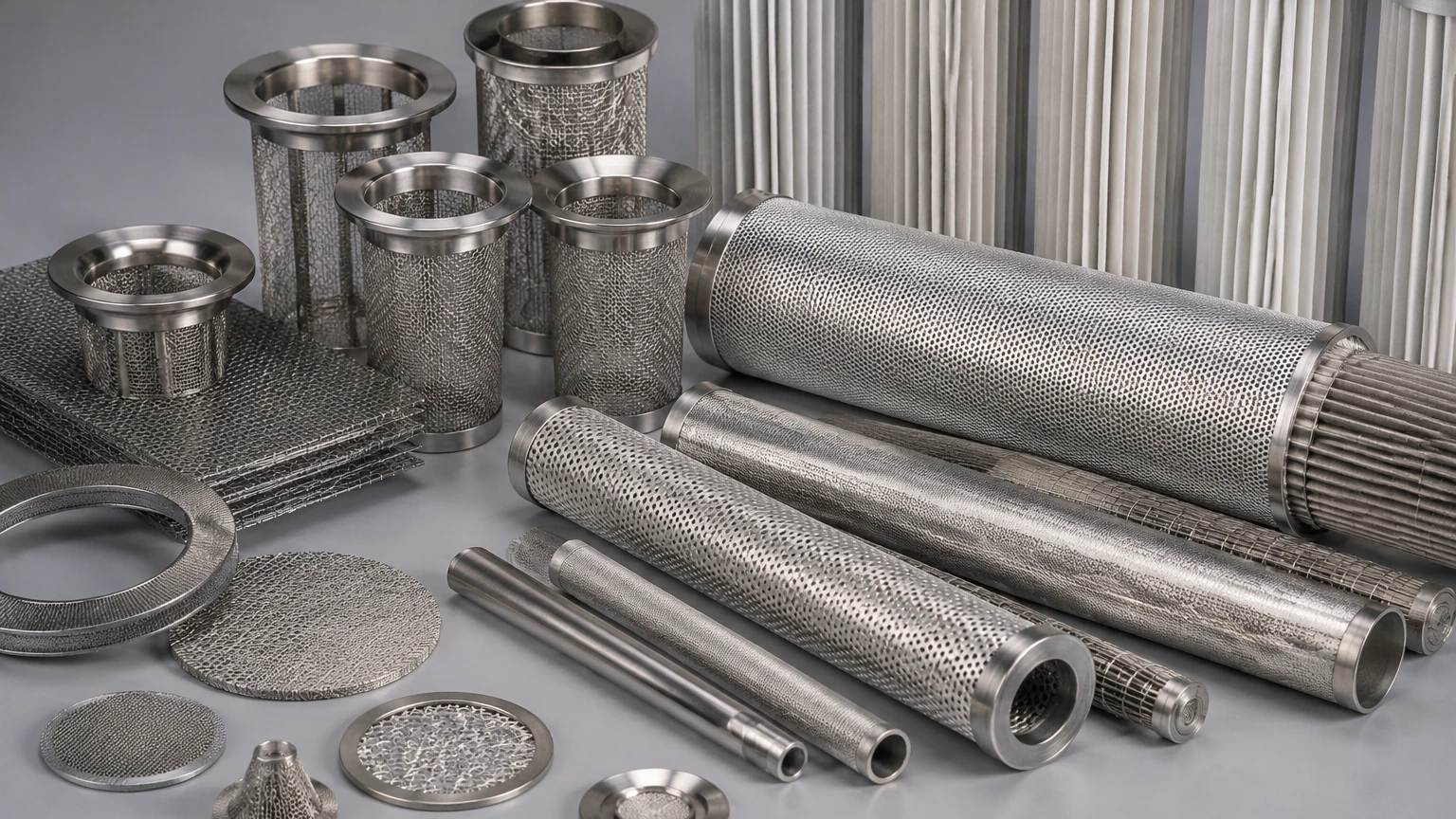
Stainless steel porous media, such as sintered wire mesh or sintered metal powder, serves as the heart of a modern sparger system. These materials are engineered to have a specific pore size distribution, which directly correlates to the bubble size produced.
Bubble Dynamics and Pore Size
In a sparger system, the bubble size is influenced by the surface tension of the liquid, the gas flow rate, and the pore size of the media. Porous metal spargers typically offer pore sizes ranging from 0.5 to 100 microns. By selecting a finer pore size, engineers can generate "micro-bubbles." These bubbles exhibit a high surface-area-to-volume ratio, which is critical for gas-limited reactions. For example, in aerobic fermentation, the rate of oxygen transfer (OTR) is often the bottleneck; a porous sparger can increase OTR by several orders of magnitude compared to a standard pipe sparger.
Structural Integrity and Durability
Unlike ceramic or plastic alternatives, stainless steel spargers offer superior mechanical strength. They can withstand high differential pressures and are resistant to thermal shock. In industrial environments where equipment may be subjected to vibration or physical impact, the robustness of a metal sparger system ensures long-term operational stability without the risk of brittle failure.
Key Engineering Parameters for Sparger Design
Designing an effective sparger system requires a detailed analysis of the process environment. Engineers must balance the need for high gas flow rates with the requirement for small bubble sizes.
Pressure Drop (Delta P)
Pressure drop is the resistance encountered by the gas as it passes through the porous medium. A higher pressure drop requires more energy from the gas compressor. However, a certain amount of pressure drop is necessary to ensure uniform gas distribution across the entire surface of the sparger. If the pressure drop is too low, gas may exit only through the path of least resistance, leading to "channeling" and uneven gas distribution.
Gas Exit Velocity
The velocity at which gas exits the pores is another critical factor. If the velocity is too high, small bubbles may coalesce into larger ones immediately upon exit, defeating the purpose of using a fine-pore sparger. Engineers must calculate the total active surface area of the sparger system to ensure that the flux (gas flow per unit area) remains within the optimal range for the specific liquid's properties.
Sparger Configuration
Sparger systems come in various geometries to suit different vessel shapes:
* Static Spargers: Fixed in place, often at the bottom of a tank or integrated into a pipeline.
* Ring Spargers: Circular assemblies that provide even distribution around the perimeter of a vessel, often used in large-scale fermenters.
* Intank Spargers: Individual elements or clusters mounted on a flange for easy removal and maintenance.
* Inline Spargers: Integrated directly into a process pipe to allow for continuous gas injection into a flowing liquid stream.
Material Selection and Chemical Compatibility
In most industrial B2B applications, the choice of material for a sparger system is dictated by the chemical environment and the operating temperature. Stainless steel is the industry standard due to its versatility and cost-effectiveness.
316L Stainless Steel
316L is the most common material for industrial spargers. Its low carbon content makes it resistant to sensitization during welding, and the addition of molybdenum provides excellent resistance to pitting and crevice corrosion in chloride-rich environments. This makes it suitable for food and beverage, pharmaceutical, and many chemical processing applications.
Advanced Alloys
For highly aggressive environments, such as those involving hot concentrated acids or high-salinity brine, specialized alloys like Hastelloy® or Monel® may be required. These materials ensure that the sparger system does not leach metallic ions into the process fluid, which is particularly important in pharmaceutical and semiconductor manufacturing.
Temperature Considerations
Metal spargers can operate at temperatures far exceeding the limits of polymer-based systems. Whether the application involves steam injection or high-temperature gas-phase reactions, a stainless steel sparger system maintains its pore structure and mechanical properties, ensuring consistent performance over thousands of operating hours.
Industrial Applications of Sparging Technology
The versatility of the sparger system allows it to be utilized across a broad spectrum of industries, each with unique performance requirements.
Chemical Processing and Petrochemicals
In chemical reactors, spargers are used for oxidation, hydrogenation, and chlorination. The ability to precisely control the gas flow and bubble size allows for better control over reaction rates and yields. Furthermore, in stripping applications, spargers introduce inert gases (like nitrogen) to remove unwanted dissolved gases or volatile contaminants from a liquid product.
Food and Beverage Industry
Carbonation is perhaps the most well-known application. A sparger system allows for the rapid and efficient dissolution of CO2 into beverages. Additionally, nitrogen sparging is used to remove dissolved oxygen from oils, juices, and wines to prevent oxidation and extend shelf life. The hygienic design of stainless steel spargers, which can be cleaned in place (CIP), is a significant advantage here.
Pharmaceutical and Biotechnology
In bioreactors, the sparger system is responsible for providing the oxygen necessary for cell growth. Because biological cultures are often shear-sensitive, the sparger must be designed to provide sufficient oxygenation without creating excessive turbulence that could damage the cells. High-purity 316L stainless steel is mandatory to meet stringent regulatory standards.
Water and Wastewater Treatment
Ozone sparging is a powerful method for disinfecting water and breaking down complex organic pollutants. Because ozone is a highly reactive gas, the sparger system must be made of ozone-resistant materials like 316L stainless steel. Spargers are also used for aeration in aerobic digestion tanks to maintain the dissolved oxygen levels required by microbial populations.
Maintenance and Operational Longevity
To maintain the efficiency of a sparger system, regular maintenance and proper operational protocols are essential. The most common issue encountered is fouling, where solids from the liquid medium or precipitates from the gas-liquid reaction block the pores of the sparger.
Cleaning Procedures
Stainless steel spargers are highly compatible with various cleaning methods:
* Backpulsing: Reversing the flow of gas or liquid to dislodge particles trapped on the surface of the media.
* Chemical Cleaning: Using acids, bases, or specialized surfactants to dissolve mineral scales or organic biofilms.
* Ultrasonic Cleaning: Immersing the sparger element in an ultrasonic bath to remove deeply embedded contaminants.
Preventing Fouling
Operational strategies can also minimize fouling. For instance, maintaining a small "trickle" flow of gas even when the system is not in full operation can prevent liquid from entering the pores and drying, which often leads to clogging. Additionally, ensuring that the gas supply is clean and free of oil or particulate matter is crucial for preserving the integrity of the porous metal.
Critical Technical Specifications for Procurement
When specifying a sparger system for a new project or as a replacement component, engineers should confirm several key details to ensure compatibility and performance. Consulting a professional manufacturer through their Main Page can help in refining these specifications.
1. Gas and Liquid Properties: Identify the density, viscosity, and surface tension of the liquid, as well as the flow rate and type of gas being injected.
2. Micron Rating: Determine the required pore size based on the desired bubble size and allowable pressure drop.
3. Connection Type: Specify the flange size, NPT thread, or sanitary fitting required for integration into the existing vessel or piping.
4. Operating Conditions: Define the maximum operating pressure and temperature, as well as any potential for pressure surges.
5. Customization Requirements: Consider if a specific geometry (e.g., a curved ring or a multi-element manifold) is needed to optimize gas distribution in a uniquely shaped tank.
By focusing on these technical boundaries, procurement teams can secure a sparger system that not only meets the immediate process requirements but also contributes to lower total cost of ownership through durability and energy efficiency. The integration of high-quality stainless steel filtration components ensures that the sparging process remains a reliable link in the industrial production chain.
