


Sparging with Nitrogen
In industrial processing, the controlled introduction of gases into liquids is a fundamental operation required for a variety of chemical, biological, and physical reactions. Among these processes, sparging with nitrogen stands out as one of the most critical techniques for maintaining product purity, preventing oxidation, and ensuring the longevity of sensitive materials. For engineers and technical procurement teams, understanding the mechanics of nitrogen sparging and the hardware required to execute it—specifically porous metal spargers—is essential for optimizing process efficiency.
Nitrogen sparging, also known as nitrogen stripping, involves injecting nitrogen gas into a liquid through a porous medium. This process creates thousands of tiny bubbles that rise through the liquid, facilitating gas-liquid mass transfer. Whether the goal is to remove dissolved oxygen, stir a solution without mechanical agitation, or create a protective blanket, the choice of sparging equipment directly impacts the total cost of ownership and the quality of the final output.
The Fundamentals of Nitrogen Sparging Mechanisms
At its core, sparging with nitrogen relies on the principles of Henry’s Law and mass transfer. When nitrogen bubbles are introduced into a liquid containing dissolved oxygen or other unwanted gases, the concentration gradient drives the unwanted gas out of the liquid phase and into the gas phase within the bubbles. As these bubbles rise to the surface, they carry the contaminants away, effectively "stripping" the liquid.
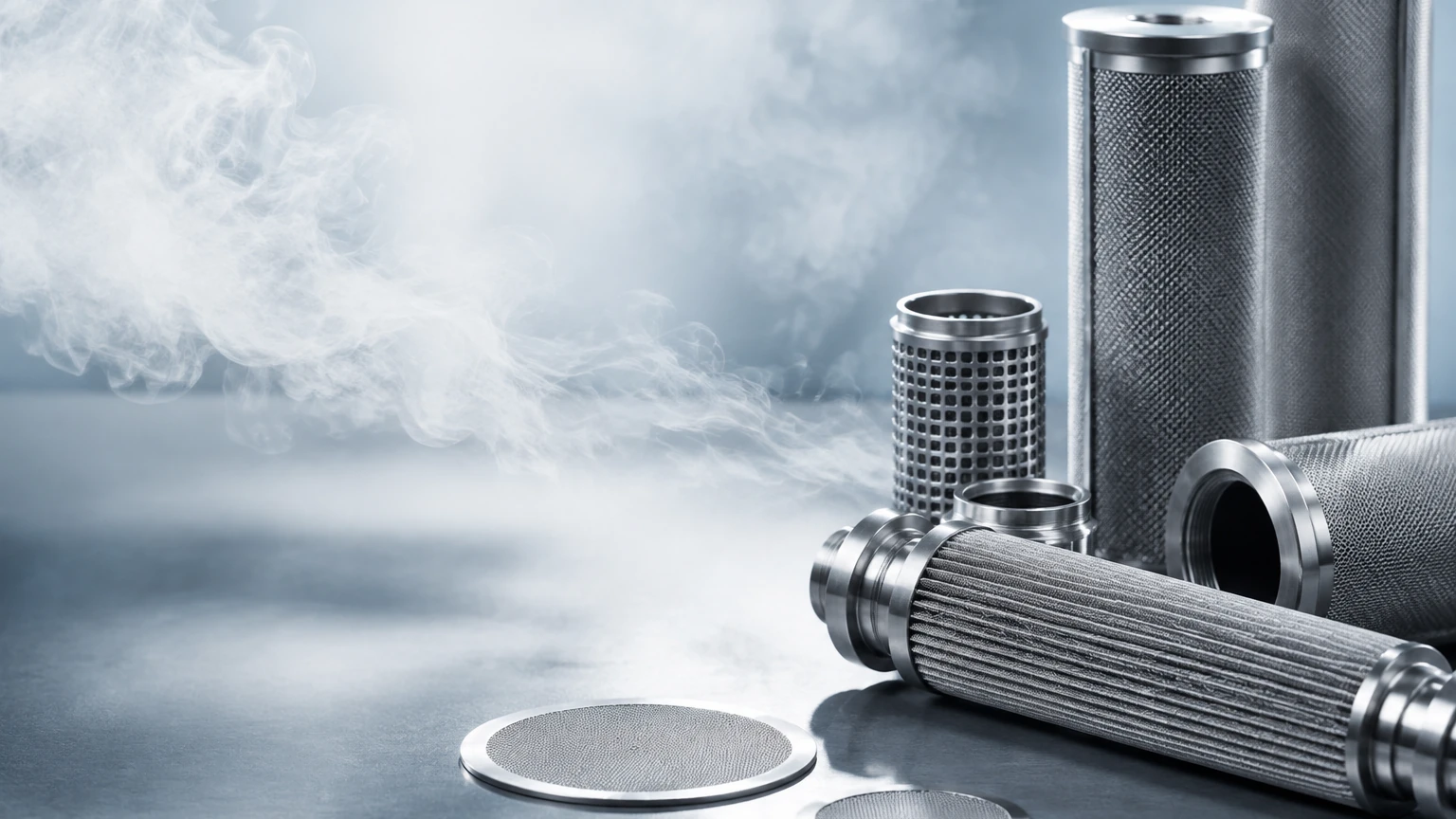
The efficiency of this process is determined by the total surface area of the gas-liquid interface. This is why the design of the sparger is critical. Traditional drilled pipes produce large bubbles with a low surface-area-to-volume ratio, leading to inefficient gas usage and slower reaction times. In contrast, sintered porous metal spargers, such as those manufactured by Kaifil, produce a high density of micron-sized bubbles. These smaller bubbles provide a significantly larger surface area, allowing for faster and more complete deoxygenation with less nitrogen consumption.
Nitrogen is the preferred gas for these applications due to its inert properties. Unlike oxygen, which can cause oxidation and spoilage, or carbon dioxide, which can alter the pH of a solution, nitrogen is chemically stable and does not react with most industrial fluids. This makes it the ideal medium for protecting sensitive chemical compositions and food products.
Key Industrial Applications of Sparging with Nitrogen
Sparging with nitrogen is utilized across a broad spectrum of industries, each with specific technical requirements for filtration and gas diffusion components.
Chemical and Petrochemical Processing
In chemical manufacturing, oxidation is a primary cause of product degradation. Nitrogen sparging is used to remove dissolved oxygen from solvents, monomers, and polymers. By reducing oxygen levels to parts per billion (ppb), manufacturers can prevent unwanted side reactions, maintain color stability, and extend the shelf life of volatile chemicals. Porous metal spargers are particularly valued here for their ability to withstand aggressive solvents and high operating temperatures.
Food and Beverage Production
In the beverage industry, oxygen is the enemy of flavor and freshness. Sparging with nitrogen is used to remove oxygen from edible oils, juices, and wine before bottling. For example, in wine production, nitrogen sparging can precisely adjust the dissolved gas content without stripping away volatile aromatic compounds. Because these applications involve human consumption, the sparging components must meet strict sanitary standards, often requiring 316L stainless steel construction that can be easily cleaned and sterilized.
Pharmaceutical and Biotechnology
Bioreactors often require precise gas management to maintain the health of cell cultures. Nitrogen sparging is used to control the dissolved gas environment and to strip out metabolic byproducts like carbon dioxide. In pharmaceutical storage, nitrogen is sparged into tanks to ensure that the headspace and the liquid remain free of oxygen, preventing the degradation of active pharmaceutical ingredients (APIs).
Power Generation and Oil & Gas
In steam generation and boiler systems, dissolved oxygen can cause severe pitting and corrosion in metal piping. Nitrogen sparging is an effective physical method for deaeration, reducing the need for chemical oxygen scavengers. In the oil and gas sector, nitrogen is used to strip hydrogen sulfide (H2S) and other volatile organic compounds (VOCs) from produced water and crude oil.
Technical Considerations for Sparger Design and Engineering
When specifying a system for sparging with nitrogen, engineers must evaluate several technical parameters to ensure the system performs as expected under industrial conditions.
Bubble Size and Micron Rating
The most critical factor in sparger performance is the pore size of the sintered metal. Pore sizes typically range from 0.5 to 100 microns. A smaller micron rating produces smaller bubbles and higher mass transfer efficiency but requires a higher differential pressure to overcome the resistance of the porous media. Engineers must balance the desired stripping speed with the available gas pressure in the facility.
Gas Flow Rates and Exit Velocity
The velocity at which nitrogen leaves the sparger surface affects bubble coalescence. If the flow rate is too high, small bubbles may merge into larger ones, reducing efficiency. Proper engineering involves calculating the optimal flux (flow per unit area) to maintain a fine mist of bubbles across the entire surface of the sparger.
Structural Integrity and Pressure Drop
Industrial spargers are often subjected to high pressures and mechanical stresses. Sintered stainless steel components offer superior mechanical strength compared to ceramic or plastic alternatives. They can handle high differential pressures without the risk of cracking or shedding particles into the process stream. Understanding the pressure drop across the sparger is vital for sizing the nitrogen supply system and ensuring consistent flow.
Selecting the Right Porous Metal Sparger
Selecting the appropriate hardware is the difference between an optimized process and one plagued by maintenance issues. For those looking to integrate these components into their systems, reviewing technical specifications on the Main Page of a professional manufacturer like Kaifil provides a baseline for available materials and configurations.
Material Selection
While 316L stainless steel is the industry standard due to its excellent corrosion resistance and temperature tolerance, other alloys like Hastelloy or Monel may be required for highly corrosive environments involving acids or seawater. The material must be compatible not only with the process liquid but also with the cleaning agents used during maintenance cycles.
Customization and Geometry
Every tank and reactor is different. Spargers can be designed as elements, probes, or rings to fit specific vessel geometries. For large-scale tanks, manifold systems with multiple sparging points ensure uniform gas distribution. Customization options also include various end-fittings (NPT, flange, or sanitary Tri-Clamp) to facilitate seamless integration into existing piping.
OEM and Precision Manufacturing
For equipment manufacturers (OEMs), sourcing high-quality porous metal components is essential for the reliability of their finished products. Precision manufacturing ensures that the pore distribution is uniform across the entire surface of the sparger, preventing "channeling" where gas escapes through only a few large openings.
Maintenance, Cleaning, and Total Cost of Ownership
One of the primary advantages of using stainless steel porous media for sparging with nitrogen is the ability to clean and reuse the components. Unlike disposable filters or polymer spargers, sintered metal can withstand rigorous cleaning protocols.
Cleaning Protocols
Over time, spargers may become fouled by particulates in the liquid or by biological growth. Common cleaning methods include:
* Back-pulsing: Reversing the flow of gas or liquid to dislodge particles from the pores.
* Chemical Cleaning: Soaking the element in solvents, acids, or caustic solutions to dissolve contaminants.
* Ultrasonic Cleaning: Using high-frequency sound waves in a cleaning bath to remove fine particles from deep within the porous structure.
Durability and Replacement Cycles
Because sintered metal spargers are resistant to thermal shock and mechanical impact, they typically have a much longer service life than alternative materials. This durability reduces the frequency of shutdowns for component replacement, contributing to a lower total cost of ownership. Engineers should establish a routine inspection and cleaning schedule based on the specific fouling characteristics of their process.
Engineering Challenges and Troubleshooting
Even with high-quality equipment, certain challenges can arise when sparging with nitrogen. Addressing these early in the design phase can prevent costly operational delays.
1. Clogging: If the nitrogen gas is not properly filtered before entering the sparger, oil or particulates from the compressor can clog the porous media from the inside. Always ensure the nitrogen supply is clean and dry.
2. Non-Uniform Distribution: In large vessels, gas may tend to rise in a single column if the sparger is not leveled or if the manifold design is inadequate. Utilizing multiple sparging points or ring configurations can help achieve a more uniform bubble cloud.
3. Foaming: Excessive sparging can lead to foam formation in certain liquids, such as those containing proteins or surfactants. This may require the use of mechanical foam breakers or a reduction in the gas flow rate.
Conclusion: Optimizing Your Filtration and Sparging Strategy
Sparging with nitrogen is a sophisticated process that requires a deep understanding of fluid dynamics and material science. By selecting high-performance sintered metal components, industrial operators can achieve superior deoxygenation results, protect product integrity, and minimize gas waste.
As a specialist in custom stainless steel filtration solutions, Kaifil provides the technical expertise and manufacturing precision necessary to meet the demanding requirements of modern industry. From initial material selection to the delivery of customized OEM components, the focus remains on durability and precise performance. For engineers seeking to improve their nitrogen sparging systems or explore custom filtration options, more information on professional-grade metal filter components can be found on the Kaifil Main Page.
Investing in the right sparging technology is not just about the immediate process needs; it is about ensuring long-term operational reliability and achieving the highest possible standards in industrial production.
