


Suction Filter Element
In industrial hydraulic and fluid processing systems, the suction filter element serves as the primary line of defense for the pump. Positioned at the pump inlet, its fundamental role is to protect the most expensive and sensitive components of the system from coarse contaminants, such as debris, metal chips, and scale, which may be present in the reservoir. While often overlooked in favor of high-precision pressure or return-line filters, the suction filter element is critical for ensuring the longevity of the hydraulic circuit and preventing catastrophic pump failure.
Selecting the correct suction filter element requires a deep understanding of fluid dynamics, material compatibility, and the specific mechanical requirements of the system. This guide provides a technical overview of suction filtration, engineering considerations for selection, and the advantages of utilizing custom stainless steel solutions in demanding industrial environments.
The Critical Role of Suction Filter Elements in Hydraulic Systems
The suction line is the most sensitive part of any hydraulic circuit. The pump creates a vacuum to draw fluid from the reservoir; if this flow is restricted, the pump may experience cavitation—a phenomenon where vapor bubbles form and collapse violently, causing internal erosion and rapid mechanical wear. Consequently, the design of a suction filter element must balance two competing requirements: protecting the pump from large particles and maintaining a low enough pressure drop to ensure a steady supply of fluid.
Unlike pressure filters, which are designed to capture microscopic silt and fine particulates, suction filters (often referred to as suction strainers) typically focus on larger contaminants. Their presence ensures that large foreign objects do not enter the pump’s internal gears, vanes, or pistons. For engineers, the goal is not to achieve the highest possible filtration fineness at the suction stage, but rather to provide a "safety net" that maintains system integrity without compromising the pump's operational safety margins.
Technical Specifications: Micron Ratings and Filtration Efficiency
One of the most important specifications for a suction filter element is its micron rating. In suction applications, the micron rating is generally much higher than in other parts of the system. While a pressure filter might operate at 3 to 10 microns, a suction filter element typically ranges from 74 to 150 microns (equivalent to 100 to 200 mesh).
Nominal vs. Absolute Filtration
In the context of suction filtration, most elements are rated nominally. A nominal rating indicates the filter's ability to retain a majority of particles of a specific size. For suction applications, this is usually sufficient because the primary objective is the removal of large debris. However, in specialized chemical or pharmaceutical processing, an absolute rating may be required to ensure that no particles above a specific size pass through the element.
The Impact of Mesh Size
The choice of mesh size directly influences the "clean pressure drop" (ΔP). A finer mesh provides better protection but increases the resistance to flow. If the fluid is highly viscous—such as heavy hydraulic oil in cold-start conditions—a mesh that is too fine will lead to excessive vacuum levels at the pump inlet. Engineers must calculate the maximum allowable pressure drop based on the pump manufacturer’s specifications, typically ensuring that the vacuum does not exceed 2 to 5 inches of mercury (Hg).
Material Engineering: The Advantages of Stainless Steel Wire Mesh
For industrial applications, the material construction of the suction filter element determines its durability and chemical compatibility. While some low-cost filters use paper or synthetic media, stainless steel wire mesh is the industry standard for high-performance and reusable filtration components.
Corrosion Resistance and Durability
Stainless steel 304 and 316L are the preferred materials for suction filter elements. Grade 304 offers excellent strength and basic corrosion resistance, making it suitable for standard hydraulic oils. Grade 316L, which contains molybdenum, provides superior resistance to chlorides and acidic environments, making it essential for chemical processing, marine applications, and food and beverage production.
Structural Integrity
A well-engineered suction filter element consists of more than just the mesh. It requires a robust internal support structure, usually a perforated metal core. This core prevents the mesh from collapsing under the pressure differential created by the pump's suction. In high-flow applications, the pleating of the stainless steel mesh is also a critical design factor. Pleating increases the effective surface area, which lowers the flow velocity through the media, reduces the pressure drop, and extends the service life between cleanings.
Cleanability and Sustainability
Unlike disposable cellulose filters, stainless steel suction filter elements are cleanable and reusable. This is a significant factor in reducing the total cost of ownership (TCO). By using ultrasonic cleaning or back-flushing techniques, maintenance teams can restore the element’s performance, reducing waste and the need for frequent spare parts procurement.
Balancing Flow Rate and Pressure Drop to Prevent Cavitation
Cavitation is the single greatest risk associated with the suction line. When a suction filter element becomes clogged, or if it was undersized during the design phase, the vacuum at the pump inlet increases. This causes dissolved air to come out of the fluid or the fluid itself to boil at ambient temperatures. The resulting bubbles collapse when they reach the high-pressure side of the pump, sending shockwaves that can pit metal surfaces and destroy bearings.
To prevent this, engineers must size the suction filter element for a flow capacity significantly higher than the pump's maximum flow rate. A common rule of thumb in hydraulic engineering is to size the suction filter for two to three times the pump's rated flow. For example, if a pump operates at 50 liters per minute (LPM), the suction filter should be rated for at least 100 to 150 LPM. This over-sizing accounts for the increase in fluid viscosity at low temperatures and provides a safety margin as the filter gradually accumulates contaminants.
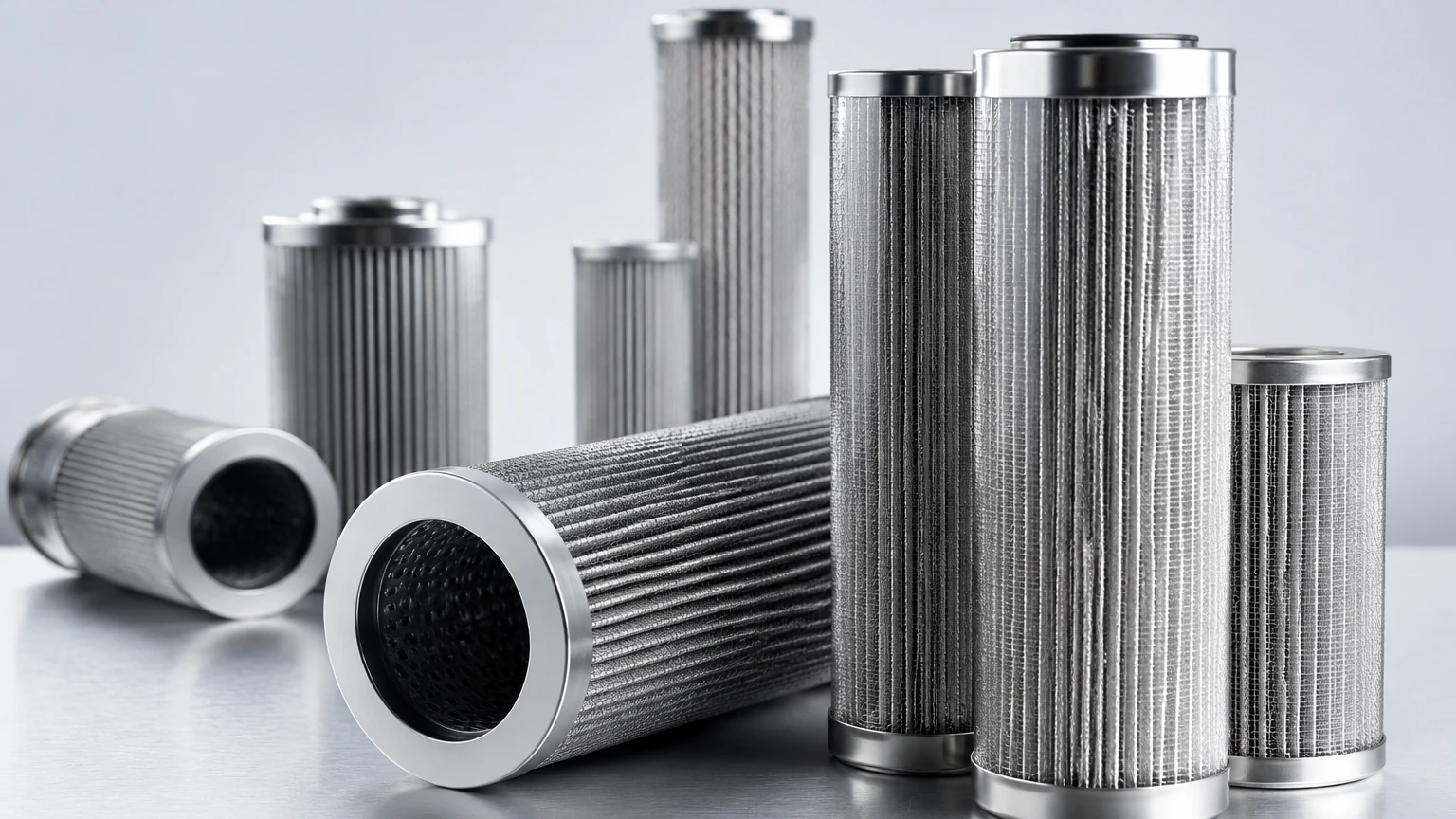
Customization and OEM Solutions for Diverse Industrial Applications
Every industrial system has unique spatial and mechanical constraints. Standard off-the-shelf suction filters often fail to meet the specific requirements of complex machinery. This is where custom manufacturing becomes essential. For organizations looking to optimize their filtration systems, you can review product options and application support on our Main Page.
Tailored Connections and Fittings
Custom suction filter elements can be designed with various connection types, including NPT, BSPP, or flanged fittings. They can also be engineered as "tank-mounted" (submerged) or "in-line" filters. In many OEM applications, the filter must fit within a specific reservoir geometry, requiring custom lengths, diameters, and mounting brackets.
Specialized Media Layers
In some demanding environments, a single layer of mesh is insufficient. Multi-layer sintered wire mesh constructions can be used to provide both fine filtration and high mechanical strength. By sintering multiple layers of stainless steel mesh together, manufacturers create a composite material that is extremely rigid and offers precise pore size distribution, which is ideal for high-vibration or high-pressure-differential environments.
Maintenance, Cleaning, and Replacement Protocols
Effective maintenance of the suction filter element is vital for system health. Because these filters are often located inside the fluid reservoir, they can be difficult to monitor visually. Therefore, the use of suction-side vacuum gauges or indicators is highly recommended.
Monitoring Vacuum Levels
A vacuum gauge installed between the filter and the pump provides a real-time measurement of the element’s condition. As the filter traps debris, the vacuum level will rise. A bypass valve is often integrated into the suction filter assembly; if the pressure drop exceeds a pre-set limit (e.g., 3 PSI), the valve opens to allow fluid to bypass the filter. While this prevents cavitation, it also allows contaminated fluid into the pump, emphasizing the need for timely maintenance.
Cleaning Procedures
For stainless steel elements, cleaning should follow a standardized process:
1. Initial Inspection: Check for physical damage or signs of mesh fatigue.
2. Solvent Wash: Use a compatible solvent to remove oil and grease.
3. Ultrasonic Cleaning: This is the most effective method for removing fine particles trapped deep within the mesh weave.
4. Drying and Re-inspection: Ensure the element is completely dry and free of holes before re-installation.
Key Procurement Considerations for Engineering Teams
When specifying or purchasing a suction filter element, procurement and engineering teams should confirm several technical details to ensure the component is fit for purpose:
* Fluid Compatibility: Ensure the mesh, end caps, and adhesives (if any) are compatible with the fluid. For example, certain synthetic fluids or high-temperature chemicals may require Viton seals or all-welded stainless steel construction instead of epoxy-bonded elements.
* Operating Temperature: Extreme temperatures can affect fluid viscosity and the structural integrity of the filter. Stainless steel elements are generally rated for a wide temperature range, but the housing and seals must also be considered.
* Flow Velocity: High flow velocities can cause "media migration" or erosion if the filter is not properly supported. Confirm the maximum flow velocity the element can handle.
* Certification and Standards: For industries like food processing or pharmaceuticals, ensure the materials meet FDA or other relevant regulatory standards for contact with the product.
By focusing on these technical parameters, engineers can select a suction filter element that provides the necessary protection for the pump while maintaining the efficiency and reliability of the overall system. Whether for a standard hydraulic power unit or a complex chemical processing plant, the right suction filtration strategy is a fundamental component of industrial operational excellence.
