


Teflon Belt Press
In the landscape of industrial liquid-solid separation and continuous thermal processing, the teflon belt press represents a specialized solution designed to handle materials that are either highly adhesive, chemically aggressive, or sensitive to temperature fluctuations. Unlike standard filter presses that operate in batches, a belt press provides a continuous flow, which is essential for high-volume industrial lines. By integrating the unique material properties of Polytetrafluoroethylene (PTFE) with mechanical compression and filtration, these systems solve specific engineering challenges that traditional metal or polyester belts cannot address.
For engineers and procurement teams evaluating filtration and processing equipment, understanding the mechanical nuances of the teflon belt press is critical. While Kaifil specializes in high-precision stainless steel filtration components, the selection of a belt medium—whether it be a PTFE-coated fabric or a stainless steel wire mesh—depends entirely on the chemical compatibility and the physical nature of the slurry or product being processed. For those seeking comprehensive details on industrial filtration components, visiting the Main Page provides a broader perspective on the materials and designs available for demanding environments.
Engineering Principles of the Teflon Belt Press
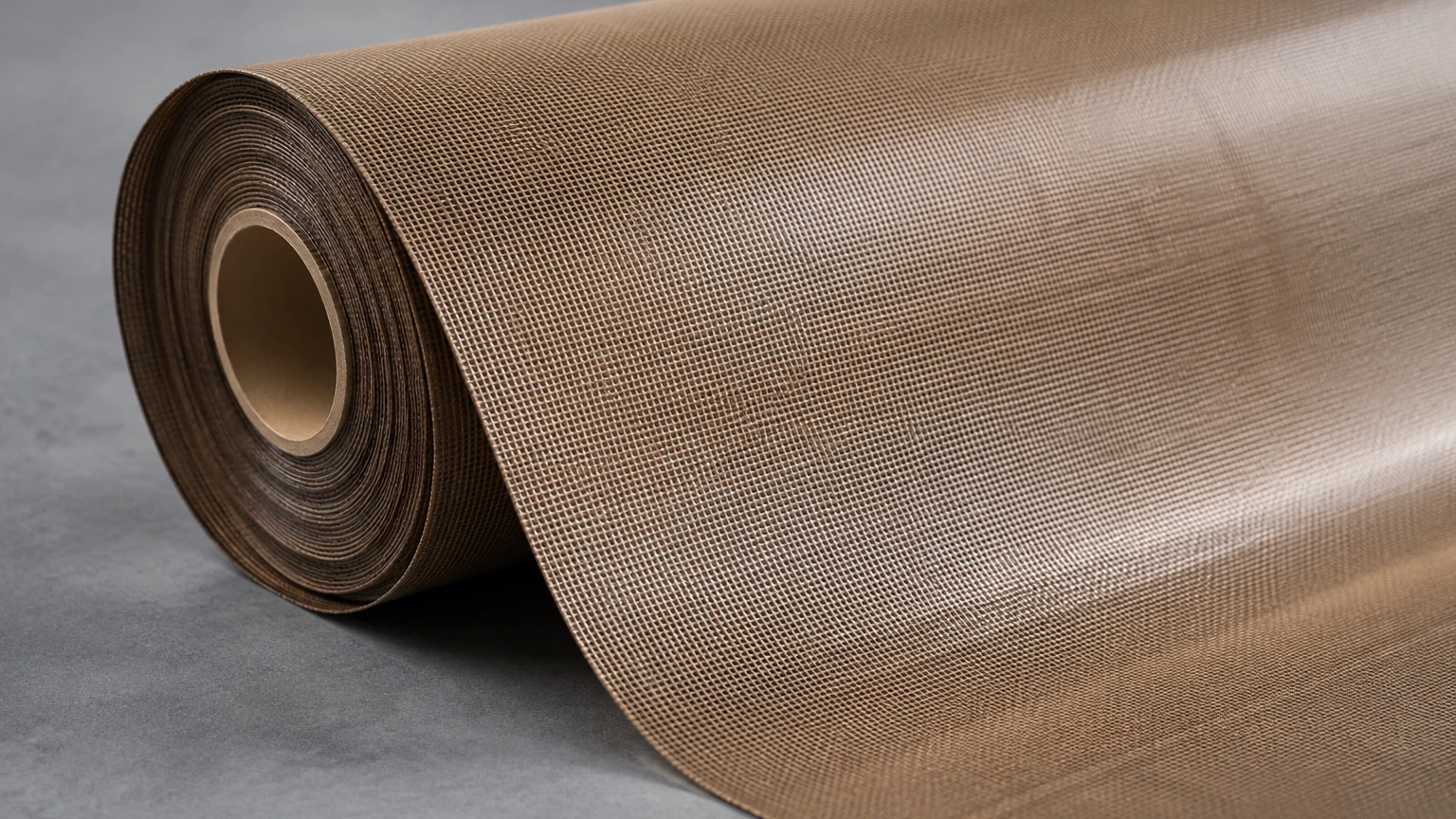
The fundamental operation of a teflon belt press involves the transport of a substance between one or two moving belts, where it is subjected to mechanical pressure, vacuum, or heat. The "Teflon" aspect refers to the coating applied to a base substrate, typically fiberglass or Aramid (Kevlar) yarns. This construction creates a belt that combines the structural integrity of the woven fabric with the surface properties of PTFE.
From a mechanical engineering standpoint, the press must manage three primary variables: tension, tracking, and pressure distribution.
1. Tensioning: Because PTFE has a low coefficient of friction, the drive rollers must be precisely engineered to prevent slippage. High-tension environments require the base substrate (fiberglass) to be woven in a way that minimizes elongation over time.
2. Tracking: Continuous belts are prone to lateral movement. In a teflon belt press, automated tracking systems—often using pneumatic sensors or infrared eyes—adjust the rollers to keep the belt centered. This is crucial because PTFE belts are susceptible to edge damage if they contact the machine frame.
3. Pressure Application: In dewatering applications, the pressure is applied through a series of rollers with decreasing diameters (the "S-roll" configuration). This increases the shear and compression on the material, forcing liquid through the pores of the belt while the solids are retained on the surface.
Material Science: The Role of PTFE in Filtration
The decision to utilize a teflon belt press is usually driven by the material science of the belt itself. PTFE is a fluoropolymer that offers several distinct advantages in industrial filtration and drying.
Chemical Inertness
In chemical processing, many slurries contain solvents, acids, or bases that would rapidly degrade standard polyester or nylon belts. PTFE is chemically inert to almost all industrial chemicals. This makes the teflon belt press a standard choice in the production of pigments, pharmaceuticals, and specialized polymers where purity is paramount and equipment corrosion must be avoided.
Thermal Stability
Industrial drying and curing often occur at temperatures exceeding 150°C (300°F). While many synthetic belts lose their tensile strength or melt at these temperatures, PTFE-coated fiberglass belts can operate continuously at temperatures up to 260°C (500°F). This allows the press to perform dual functions: mechanical dewatering followed immediately by high-temperature drying or curing.
Non-Stick Surface Properties
One of the most significant challenges in belt filtration is "blinding" or "plugging," where the processed material becomes embedded in the mesh pores. The low surface energy of Teflon ensures that even highly viscous or "tacky" cakes release cleanly from the belt at the discharge point. This reduces the need for aggressive scraping, which extends the life of the belt and maintains a consistent filtration rate.
Industrial Applications and Filtration Roles
The teflon belt press is not a universal tool but rather a targeted solution for specific industrial sectors. Its application is generally found where the cake release or chemical resistance of stainless steel or standard polymers is insufficient.
Food and Beverage Processing
In the food industry, belts must meet FDA compliance while handling sugary or protein-rich materials that tend to stick to surfaces. Teflon belt presses are used in the extraction of fruit juices, the processing of starches, and the vacuum-assisted drying of concentrates. The non-stick surface facilitates CIP (Clean-In-Place) procedures, reducing downtime between batches.
Chemical and Mineral Dewatering
For the production of fine chemicals and mineral concentrates, the teflon belt press provides a continuous method for removing moisture from acidic or alkaline slurries. In these cases, the belt acts as a filter medium. The weave density of the underlying fiberglass determines the filtration accuracy, which can range from coarse separation to fine particle retention.
Textile and Non-Woven Manufacturing
In the production of textiles and non-wovens, the press is used to laminate or cure materials. The teflon belt ensures that adhesives used in the process do not bond to the machinery, allowing for a continuous, high-speed production line without the risk of material tearing or machine fouling.
Key Evaluation Criteria for Belt Selection
When specifying a belt for a teflon belt press, engineers must look beyond the brand name and focus on the technical specifications that will dictate the system's Total Cost of Ownership (TCO).
* Porosity and Permeability: Measured in CFM (Cubic Feet per Minute), permeability determines how much air or liquid can pass through the belt at a given pressure. For filtration-heavy applications, a lower CFM (tighter weave) is required, whereas drying applications benefit from higher CFM to allow for moisture evaporation.
* Tensile Strength: The base fabric (fiberglass vs. Kevlar) determines the maximum load the belt can handle. Kevlar is often preferred in high-moisture or high-steam environments where fiberglass might suffer from moisture-induced degradation (wicking).
* Joint and Seam Design: The seam is the weakest point of any belt. Common options include the Alligator lace (metal), Spiral lace (PEEK or PPS), or reinforced fabric overlaps. In a press environment, the seam must be as flush as possible to the belt surface to prevent uneven pressure distribution on the product.
* Coating Thickness: A higher PTFE content (measured in percentage by weight) provides a smoother surface and better chemical resistance but can reduce the overall flexibility of the belt. Finding the balance between "smoothness" and "flex life" is a key engineering decision.
Maintenance and Operational Challenges
Despite the advantages, a teflon belt press requires rigorous maintenance to ensure longevity. Because PTFE is a soft material compared to stainless steel, it is susceptible to mechanical abrasion.
Tracking and Alignment
As mentioned previously, improper tracking is the leading cause of belt failure. If the belt shifts and rubs against the side of the press, the PTFE coating can be stripped, exposing the fiberglass substrate. Once the substrate is exposed, it can absorb liquids (wicking), leading to delamination and structural failure. Regular calibration of the tracking sensors is mandatory.
Cleaning Protocols
While the non-stick surface reduces buildup, fine particles can still become trapped in the weave. High-pressure water sprays or steam cleaning are common, but operators must ensure the pressure does not exceed the delamination threshold of the PTFE coating. Chemical cleaners must also be checked for compatibility with the base substrate, not just the Teflon coating.
Wear Monitoring
Engineers should implement a regular inspection schedule to check for "thin spots" in the PTFE coating. Once the coating wears down, the non-stick properties vanish, and the belt will begin to blind. Monitoring the drive motor's amperage can also provide early warning signs; an increase in amperage often indicates that the belt is dragging or that the rollers are fouled.
Comparing Teflon and Stainless Steel Mesh Belts
In many industrial contexts, a teflon belt press competes with stainless steel belt systems. Choosing between them requires a trade-off analysis. Stainless steel belts, such as those discussed on the Main Page, offer unparalleled durability, higher pressure ratings, and ease of sterilization in pharmaceutical environments. However, they lack the non-stick properties of PTFE.
If the application involves abrasive slurries (such as sand or coarse minerals), a stainless steel mesh is often superior because PTFE can be easily abraded by sharp particles. Conversely, if the material is a sticky polymer or a highly corrosive acid that attacks 316L stainless steel, the teflon belt press is the technically correct choice.
Conclusion: Selecting the Right Filtration Strategy
The teflon belt press is a sophisticated piece of industrial equipment that bridges the gap between mechanical filtration and chemical processing. Its success depends on the precise integration of PTFE material properties with robust mechanical design. For engineers, the priority should always be the compatibility of the belt medium with the specific physical and chemical characteristics of the process stream.
When designing a filtration system, it is often beneficial to consult with manufacturers who understand the full spectrum of materials. While PTFE offers unique non-stick and thermal benefits, stainless steel remains the gold standard for high-pressure and abrasive applications. By evaluating the specific needs of the application—temperature, chemical pH, particle size, and adhesive qualities—procurement teams can ensure they select a system that provides reliable, long-term performance. For further technical resources on precision filtration components and custom metal solutions, engineers can explore the options available at the Main Page to compare material performance and design specifications.
