


Thermosyphon Reboiler
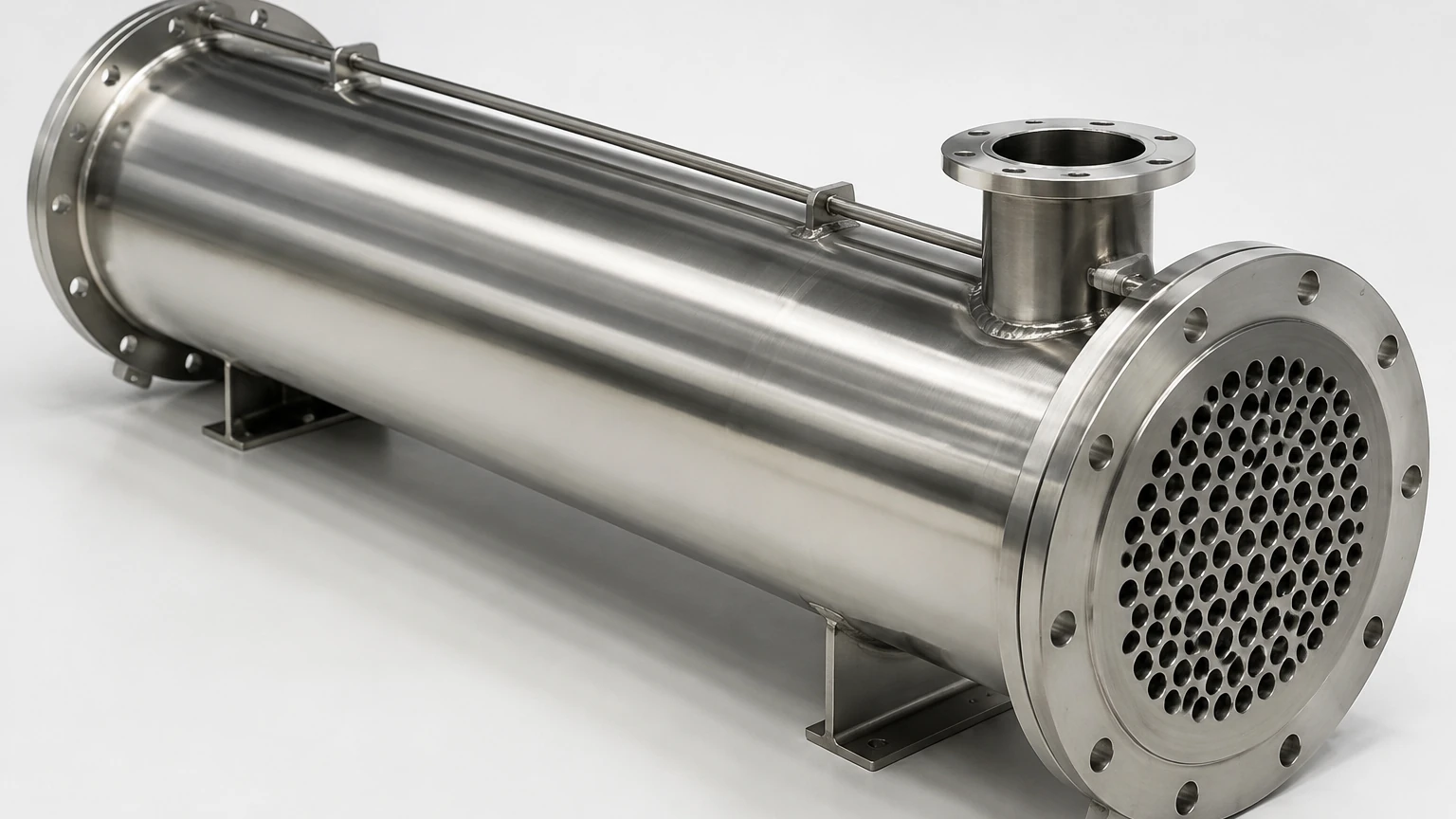
In the landscape of industrial distillation and chemical processing, the thermosyphon reboiler stands as a cornerstone technology for heat transfer. These heat exchangers are designed to provide the necessary heat to the bottom of a distillation column, facilitating the separation of liquid mixtures into their constituent parts. Unlike forced-circulation systems that rely on mechanical pumps, a thermosyphon reboiler utilizes the natural physics of density differences to circulate process fluids.
For engineers and plant operators, understanding the mechanics, design limitations, and maintenance requirements of these systems is essential for ensuring operational efficiency. Central to this efficiency is the management of fluid purity. Contaminants, particulates, and scale can significantly degrade the heat transfer coefficient of a reboiler, leading to increased energy consumption and frequent unscheduled shutdowns. Integrating robust filtration solutions, such as those found on the Kaifil Main Page, is a critical step in protecting these high-value assets.
Understanding the Principles of Thermosyphon Reboilers
The operation of a thermosyphon reboiler is governed by the principle of natural convection. The process begins when the liquid from the bottom of a distillation column enters the reboiler. As heat is applied—typically via steam or a hot process fluid on the shell side—the liquid inside the tubes begins to heat up and eventually boil.
As the liquid transforms into a two-phase mixture of liquid and vapor, its overall density decreases. This creates a hydrostatic pressure imbalance between the liquid in the column (the "cold leg") and the boiling mixture in the reboiler (the "hot leg"). This density gradient drives the fluid upward and back into the distillation column without the need for a pump.
The Two-Phase Flow Regime
Effective heat transfer in a thermosyphon reboiler depends heavily on the flow regime within the tubes. Ideally, the system operates in a nucleate boiling regime, where small vapor bubbles form on the tube surfaces and detach, enhancing turbulence and heat transfer. However, if the heat flux is too high, a vapor film can form (film boiling), which acts as an insulator and drastically reduces efficiency. Engineers must carefully calculate the vapor fraction—the ratio of vapor to liquid—to ensure stable circulation and prevent "dry-out" conditions that can lead to rapid fouling or tube damage.
Vertical vs. Horizontal Thermosyphon Configurations
Thermosyphon reboilers are generally categorized into two main types: vertical and horizontal. Each configuration offers distinct advantages depending on the space constraints, fluid properties, and desired cleaning intervals of the facility.
Vertical Thermosyphon Reboilers
Vertical units are the most common in the petrochemical and chemical industries. In this setup, the process fluid flows through the tubes (tube-side boiling), while the heating medium is on the shell side.
* Advantages: They require minimal floor space and typically exhibit higher heat transfer coefficients due to the high velocity of the rising vapor-liquid mixture. The vertical orientation also makes them somewhat self-cleaning for certain types of light fouling.
* Disadvantages: They require a specific height relative to the column to maintain the necessary hydrostatic head. Maintenance can also be more complex, as the entire tube bundle often needs to be pulled vertically for inspection.
Horizontal Thermosyphon Reboilers
In a horizontal configuration, the boiling process typically occurs on the shell side. The heating medium flows through the tubes.
* Advantages: These units are easier to access for maintenance and cleaning. They are often preferred when dealing with fluids that have a high fouling tendency on the boiling side, as the shell side can be designed with larger clearances.
* Disadvantages: They occupy a larger footprint and can be more susceptible to vapor-binding if the piping is not designed correctly to allow for the unimpeded escape of vapor.
Critical Engineering Challenges: Fouling and Fluid Purity
The greatest threat to the performance of a thermosyphon reboiler is fouling. Fouling refers to the accumulation of unwanted material on the heat transfer surfaces. In a reboiler, this can take several forms:
1. Coking: In high-temperature hydrocarbon processing, organic compounds can break down and form carbonaceous deposits.
2. Scaling: Precipitation of minerals (like calcium carbonate) from the process fluid onto the hot tube surfaces.
3. Particulate Accumulation: Suspended solids, rust from upstream piping, or catalyst fines can settle in low-velocity areas or adhere to the tube walls.
Fouling introduces an additional layer of thermal resistance. As the fouling layer thickens, the temperature of the heating medium must be increased to maintain the same heat duty, which accelerates further fouling and increases energy costs. Furthermore, particulates can obstruct the narrow flow paths within the reboiler, disrupting the natural circulation and potentially leading to localized overheating.
Integrating High-Performance Filtration in Reboiler Circuits
To mitigate the risks associated with particulates and scale, industrial filtration is non-negotiable. Protecting the thermosyphon reboiler starts with ensuring that the feed and the recirculating bottoms are free from damaging solids. Custom stainless steel filtration solutions are the industry standard for these demanding environments.
Wire Mesh and Sintered Metal Filters
For high-temperature and high-pressure applications common in reboiler circuits, traditional fabric or plastic filters are insufficient. Stainless steel wire mesh filters provide the necessary mechanical strength and thermal stability. These components can be engineered to specific micron ratings to capture even the finest catalyst fines or pipe scale before they enter the heat exchanger.
Filter Cartridges for Continuous Operation
In many continuous distillation processes, duplex filtration systems are employed. These systems allow one filter to be cleaned or replaced while the other remains in service, ensuring that the thermosyphon reboiler is never exposed to unfiltered fluid. High-capacity stainless steel filter cartridges are often used in these housings to provide a large surface area, which minimizes pressure drop—a critical factor in maintaining the natural circulation of a thermosyphon system.
Material Selection for Filtration Components in Corrosive Environments
When specifying filtration for a thermosyphon reboiler system, material compatibility is paramount. The chemical composition of the process fluid, combined with the elevated temperatures of the reboiler, creates a highly corrosive environment.
* 304 Stainless Steel: Suitable for general industrial applications and mildly corrosive fluids.
* 316L Stainless Steel: The preferred choice for chemical processing involving chlorides or organic acids, offering superior pitting and crevice corrosion resistance.
* Specialty Alloys: For extreme environments, such as those involving high concentrations of sulfuric acid or seawater, alloys like Monel or Hastelloy may be required for the filter media.
Choosing the right material ensures that the filter itself does not become a source of contamination through corrosion and that it can withstand the rigorous cleaning protocols (such as chemical baths or high-pressure steam) required to restore its performance.
Optimizing Maintenance and Total Cost of Ownership (TCO)
While the initial focus of a project is often on the capital expenditure (CAPEX) of the reboiler and its peripherals, the long-term success of the installation depends on the Total Cost of Ownership (TCO). A significant portion of TCO is tied to maintenance and energy efficiency.
Monitoring Performance
Engineers should monitor the pressure drop across the filtration system and the temperature approach in the reboiler. A rising temperature approach (the difference between the heating medium temperature and the process fluid boiling point) is a primary indicator of fouling. By implementing a proactive filtration strategy, operators can extend the intervals between manual cleanings of the reboiler tubes.
Customization for Specific Applications
Standard off-the-shelf filters rarely meet the precise needs of a complex distillation train. Customization—ranging from the physical dimensions of the filter cartridge to the specific weave of the wire mesh—allows for an optimized balance between filtration efficiency and flow resistance. For those seeking specialized components, reviewing options at the Kaifil Main Page can provide insights into the manufacturing capabilities available for custom industrial filtration.
Conclusion: Achieving Reliable Reboiler Performance
The thermosyphon reboiler remains a vital component in modern industry due to its simplicity and lack of moving parts. However, its reliance on natural physical laws makes it sensitive to changes in fluid dynamics and surface conditions. Fouling and particulate contamination are the primary enemies of stable reboiler operation.
By prioritizing fluid purity through the use of precision-engineered stainless steel filtration, companies can protect their heat transfer equipment, reduce energy consumption, and minimize downtime. Whether through the selection of high-durability wire mesh or the implementation of custom-designed filter cartridges, the integration of professional filtration solutions is an investment in the longevity and reliability of the entire distillation process. For engineers tasked with maintaining these systems, a focus on technical specifications, material integrity, and proactive particulate management is the key to operational excellence.
