


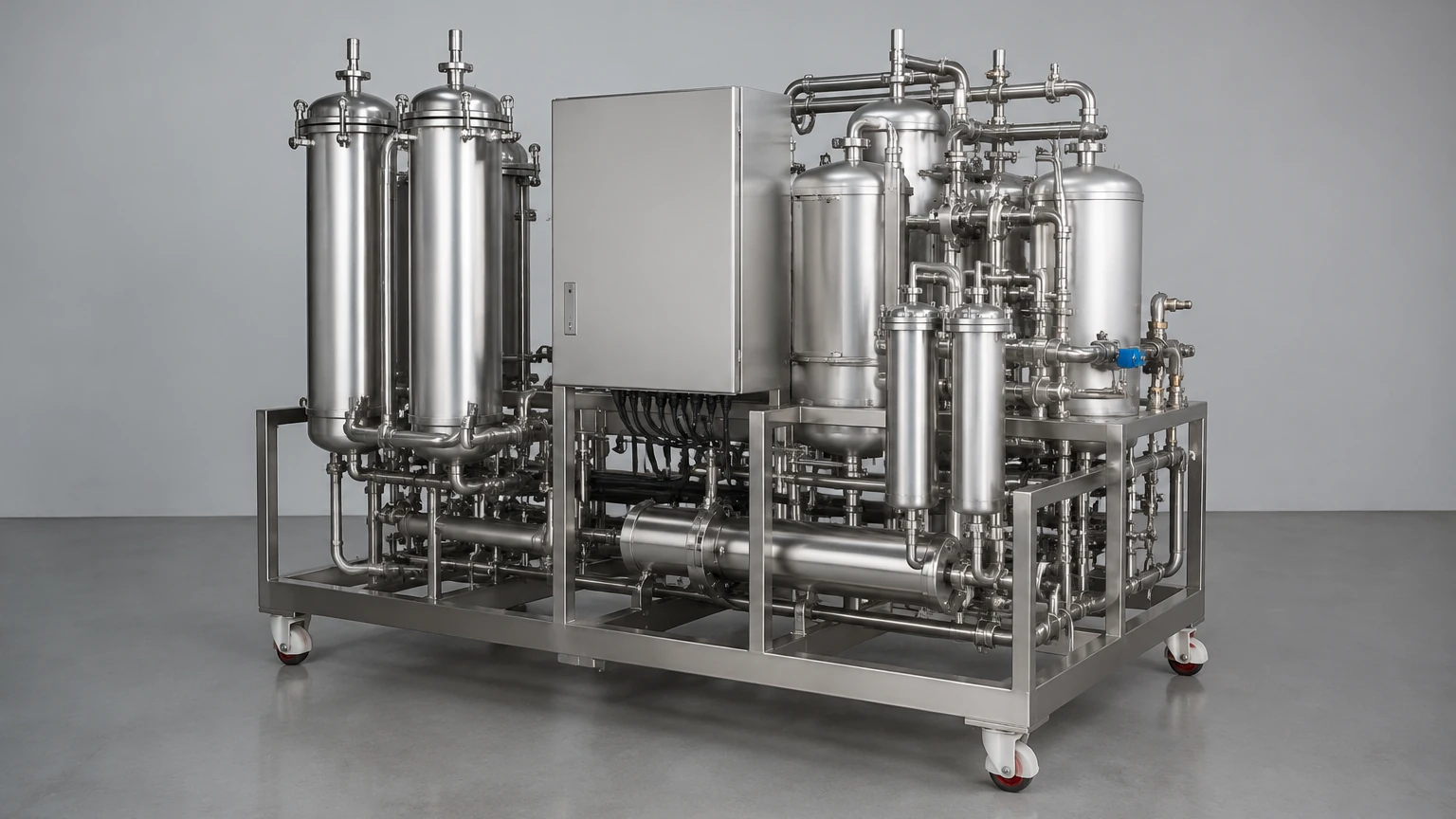
Vacuum Dehydration Oil Purification System for Sale
In industrial environments, the presence of water, gases, and particulate matter in lubricating and hydraulic oils is a primary cause of equipment failure and reduced oil longevity. For engineers and maintenance managers, maintaining oil within specific ISO cleanliness codes is not merely a matter of routine maintenance but a critical requirement for operational reliability. When evaluating a vacuum dehydration oil purification system for sale, it is essential to understand the underlying physics of the process, the engineering requirements of the components, and how these systems integrate with high-performance filtration media to achieve desired results.
The Impact of Contamination on Industrial Lubricants
Contamination in oil systems typically manifests in three forms: solid particulates, free water, and dissolved water. While standard particulate filters can address solid contaminants, they are ineffective against dissolved water and entrained gases. Water in oil leads to several detrimental effects:
1. Oxidation: Water acts as a catalyst that accelerates the oxidation process of the base oil, leading to the formation of acids, sludge, and varnish.
2. Additive Depletion: Many oil additives are water-soluble or react with water, leading to the premature loss of anti-wear and anti-corrosion properties.
3. Reduced Lubricity: Water has significantly lower film strength than oil. In high-pressure zones, such as bearing interfaces, the presence of water can lead to metal-to-metal contact and catastrophic wear.
4. Corrosion: Moisture promotes the rusting of internal steel components and the etching of yellow metals.
Vacuum dehydration is recognized as the most effective method for removing all states of water—free, emulsified, and dissolved—without damaging the oil's molecular structure or depleting essential additives.
Principles of Vacuum Dehydration Technology
High-quality vacuum dehydration systems operate on the principle of reducing the boiling point of water by creating a vacuum. At sea level, water boils at 100°C (212°F). However, by reducing the atmospheric pressure inside a vacuum chamber, the boiling point can be lowered to temperatures as low as 45°C to 55°C.
This temperature range is critical because most industrial oils begin to undergo thermal degradation if heated above 65°C for extended periods. By boiling off the water at a lower temperature, the system removes moisture while preserving the chemical integrity of the lubricant. The process involves spreading the oil into a thin film over a large surface area within the vacuum chamber, maximizing the exposure of the oil to the vacuum and facilitating the rapid evaporation of water and gases.
Key Components of an Industrial Oil Purification System
When reviewing a vacuum dehydration oil purification system for sale, technical professionals must scrutinize the engineering of the following core components:
1. The Vacuum Chamber and Dispersal Media
The efficiency of the system depends on the surface area available for evaporation. Advanced systems use specialized dispersal elements or "tower packing" to break the oil into thin droplets or films. The design of this chamber must prevent oil carry-over into the vacuum pump while ensuring maximum moisture extraction.
2. Heating System
To facilitate evaporation, the oil must be heated to a consistent, controlled temperature. Low-watt-density heaters are mandatory to prevent localized overheating (hot spots), which can crack the oil molecules. Precise PLC-controlled temperature regulation ensures the oil remains within the safe operating window.
3. Vacuum and Discharge Pumps
The vacuum pump creates the necessary negative pressure, while the discharge pump returns the processed oil to the reservoir. These pumps must be sized correctly to maintain a balanced flow rate, ensuring that the oil residence time within the vacuum chamber is sufficient for dehydration.
4. High-Efficiency Filtration Stages
While the vacuum process removes water and gas, particulate removal is handled by mechanical filtration. This is where the quality of the filter media becomes paramount. Many systems utilize multi-stage filtration, including a coarse pre-filter to protect the pumps and a high-efficiency polishing filter on the discharge side. For many industrial applications, stainless steel filter cartridges are preferred due to their structural integrity and resistance to the pressure differentials encountered in high-viscosity oil processing.
The Role of Stainless Steel Filtration in Oil Purification
In the context of industrial oil purification, the choice of filter media significantly impacts the Total Cost of Ownership (TCO). While disposable fiberglass or paper elements are common, custom stainless steel filtration solutions offer distinct advantages in demanding B2B environments.
Stainless steel wire mesh filters provide precise pore size control and are capable of withstanding high temperatures and chemically aggressive additives that might degrade synthetic media. Furthermore, stainless steel elements are cleanable and reusable, reducing the waste stream and long-term consumable costs. When sourcing components for a purification system, engineers often consult the Main Page of specialized manufacturers like Kaifil to identify the specific wire mesh specifications and cartridge designs required for high-viscosity or high-contamination applications.
Evaluating a Vacuum Dehydration Oil Purification System for Sale
Purchasing a purification system requires a detailed analysis of the specific application. A system designed for a small hydraulic power unit will differ significantly from one intended for a large steam turbine lube oil reservoir. Consider the following evaluation criteria:
* Water Removal Rate: This is typically measured in liters or gallons per hour. It is important to distinguish between free water removal and the ability to reduce dissolved water levels below the oil's saturation point.
* Flow Capacity: The system's flow rate (GPM or LPM) should be matched to the reservoir size. A general rule of thumb for kidney-loop filtration is to turn over the entire reservoir volume every 8 to 12 hours.
* Viscosity Handling: High-viscosity gear oils (ISO VG 320, 460, or 680) require more robust pumps and higher heating capacities than low-viscosity hydraulic oils (ISO VG 32 or 46).
* Portability vs. Stationary: Depending on the plant layout, a mobile cart-mounted system may be necessary to service multiple reservoirs, whereas a dedicated stationary unit may be better for critical, large-scale assets.
* Automation and Monitoring: Modern systems feature moisture-in-oil sensors, particulate counters, and automated alarms. These features allow for unmanned operation and provide real-time data on the oil's condition.
Common Risks and Technical Challenges
Prospective buyers should be aware of potential pitfalls when selecting a vacuum dehydration oil purification system for sale. One common risk is "undersizing" the system. If the water ingress rate into the reservoir (due to seal leaks or atmospheric breathing) exceeds the removal rate of the purifier, the oil quality will continue to degrade despite the system's operation.
Another challenge is the management of foaming. Some oils, particularly those with high detergent packages or significant contamination, may foam excessively when subjected to a vacuum. An engineered system must include anti-foam controls or sufficient headspace in the vacuum chamber to manage this phenomenon without oil being drawn into the vacuum pump.
Customization and Engineering Considerations
Every industrial facility has unique constraints. Customization is often required to ensure the purification system fits the physical space and the technical requirements of the machinery. This may include:
* Material Compatibility: Ensuring seals (Viton, EPDM, or Nitrile) and internal components are compatible with the specific type of oil (mineral-based, synthetic, or fire-resistant fluids like phosphate esters).
* Explosion-Proof Ratings: For chemical or petrochemical environments, the electrical components of the system must meet ATEX or NEMA 7 standards.
* Filtration Precision: The discharge filter must be selected to achieve the target ISO 4406 cleanliness code. For high-precision hydraulic systems, a beta ratio of βx[c] ≥ 1000 may be required.
Kaifil specializes in providing the precision metal filter components that these systems rely on. By utilizing advanced manufacturing capabilities, they produce the stainless steel cartridges and wire mesh filters necessary for the final polishing stages of oil purification, ensuring that the system removes even the finest microscopic particulates that can cause component wear.
Maintenance and Long-Term Performance
To maintain the effectiveness of a vacuum dehydration system, a regular maintenance schedule is required. This includes monitoring the vacuum pump oil, checking the heating elements for scale or carbonization, and replacing or cleaning the filter elements.
Using durable filtration components is a key strategy for reducing maintenance downtime. Stainless steel filters, unlike their disposable counterparts, do not suffer from media migration—a phenomenon where fibers from the filter itself break off and enter the downstream oil flow. This structural stability is essential for protecting sensitive components like servo valves and high-speed bearings.
Conclusion
Investing in a vacuum dehydration oil purification system for sale is a strategic decision that directly impacts the reliability and lifespan of industrial machinery. By understanding the technical requirements of vacuum dehydration and the importance of high-quality filtration components, engineering teams can select a system that provides consistent, long-term performance.
Whether the goal is to recover a batch of contaminated oil or to provide continuous protection for a critical asset, the combination of effective vacuum technology and precision-engineered stainless steel filtration ensures that lubricants remain clean, dry, and capable of performing their intended function. For those seeking specialized filtration components to integrate into such systems, reviewing the technical capabilities on the manufacturer's Main Page provides the necessary foundation for informed selection and procurement.
Download Vacuum Dehydration Oil Purification System for Sale as a PDF
