


Traveling Screens
In industrial water intake systems, the efficiency of downstream processes depends heavily on the initial removal of debris and organic matter. Traveling screens serve as the primary mechanical filtration stage, protecting heat exchangers, pumps, and fine filtration components from damage and clogging. For engineers and facility managers, understanding the technical specifications and material requirements of these systems is critical to ensuring long-term operational stability and minimizing maintenance costs.
As a specialized manufacturer of stainless steel filtration solutions, Kaifil provides the precision wire mesh and metal components necessary for high-performance traveling screens. For more information on our full range of industrial filtration capabilities, please visit our Main Page.
The Role of Traveling Screens in Industrial Water Intake
Traveling screens are automated, continuous-cleaning filtration systems installed at water intake structures. Their primary function is to remove large solids—such as fish, vegetation, plastic debris, and silt—from raw water sources like rivers, lakes, or oceans. Unlike static bar screens, traveling screens employ a moving assembly of screen panels that lift debris out of the water column and transport it to a discharge point.
In power plants, desalination facilities, and large-scale manufacturing sites, the reliability of these screens is paramount. A failure in the traveling screen system can lead to immediate pressure drops, pump cavitation, or the bypassing of debris into sensitive equipment. Therefore, the design must account for peak debris loading periods, such as seasonal leaf falls or storm-driven surges, to maintain a consistent flow rate.
Mechanical Design and Operating Principles
Traveling screens typically consist of a series of screen baskets or panels attached to two strands of heavy-duty conveyor chains. These chains are driven by a motor and sprocket assembly located at the top of the intake structure. As the screen panels move upward through the water flow, they capture debris. Once the panels reach the head section, a high-pressure spray system washes the debris into a collection trough for disposal.
Through-Flow vs. Dual-Flow Configurations
There are two primary mechanical configurations used in modern industrial applications:
1. Through-Flow Screens: The water passes through the front of the screen and exits through the back. This is the most common design due to its simplicity and lower initial cost. However, it can sometimes allow "carry-over," where debris that isn't washed off the panels falls back into the clean water side.
2. Dual-Flow Screens: In this configuration, the screen is positioned parallel to the flow. Water enters through both the ascending and descending sides of the screen and exits through the center. This design eliminates debris carry-over and often allows for a smaller footprint for the same flow capacity.
Material Selection for Durability and Corrosion Resistance
The environment in which traveling screens operate is often highly corrosive. Whether dealing with brackish water, seawater, or chemically treated industrial process water, the choice of materials for the mesh panels and structural frames is the most significant factor in the system's lifespan.
Stainless Steel Mesh Panels
Stainless steel is the industry standard for traveling screen mesh due to its superior strength and corrosion resistance. Kaifil specializes in producing the high-grade stainless steel wire mesh required for these demanding applications. Common material grades include:
* AISI 304: Suitable for freshwater applications with low chloride content.
* AISI 316L: The preferred choice for brackish water and coastal environments, offering enhanced resistance to pitting and crevice corrosion.
* Duplex Stainless Steel (e.g., 2205): Used in highly aggressive seawater environments where high mechanical strength and exceptional corrosion resistance are required to prevent stress corrosion cracking.
Engineering Considerations for Mesh Design
When specifying the mesh for traveling screens, engineers must balance filtration accuracy with hydraulic performance. A finer mesh will capture smaller particles but will also increase the pressure drop (head loss) across the screen. If the head loss becomes too great, the structural integrity of the screen panels may be compromised.
Key parameters to confirm include:
* Wire Diameter: Thicker wires provide better impact resistance against heavy debris but reduce the total open area.
* Mesh Opening (Aperture): Typically ranging from 1mm to 10mm depending on the sensitivity of downstream equipment.
* Percentage of Open Area: This determines the flow velocity through the mesh. High velocities can lead to fish impingement, which is a significant environmental concern and often regulated by local authorities.
Customization and Precision Manufacturing
Every industrial intake site has unique geographical and biological challenges. Customization is not just an option; it is a necessity for optimized performance. Traveling screens must be engineered to fit existing concrete intake wells while meeting specific flow requirements.
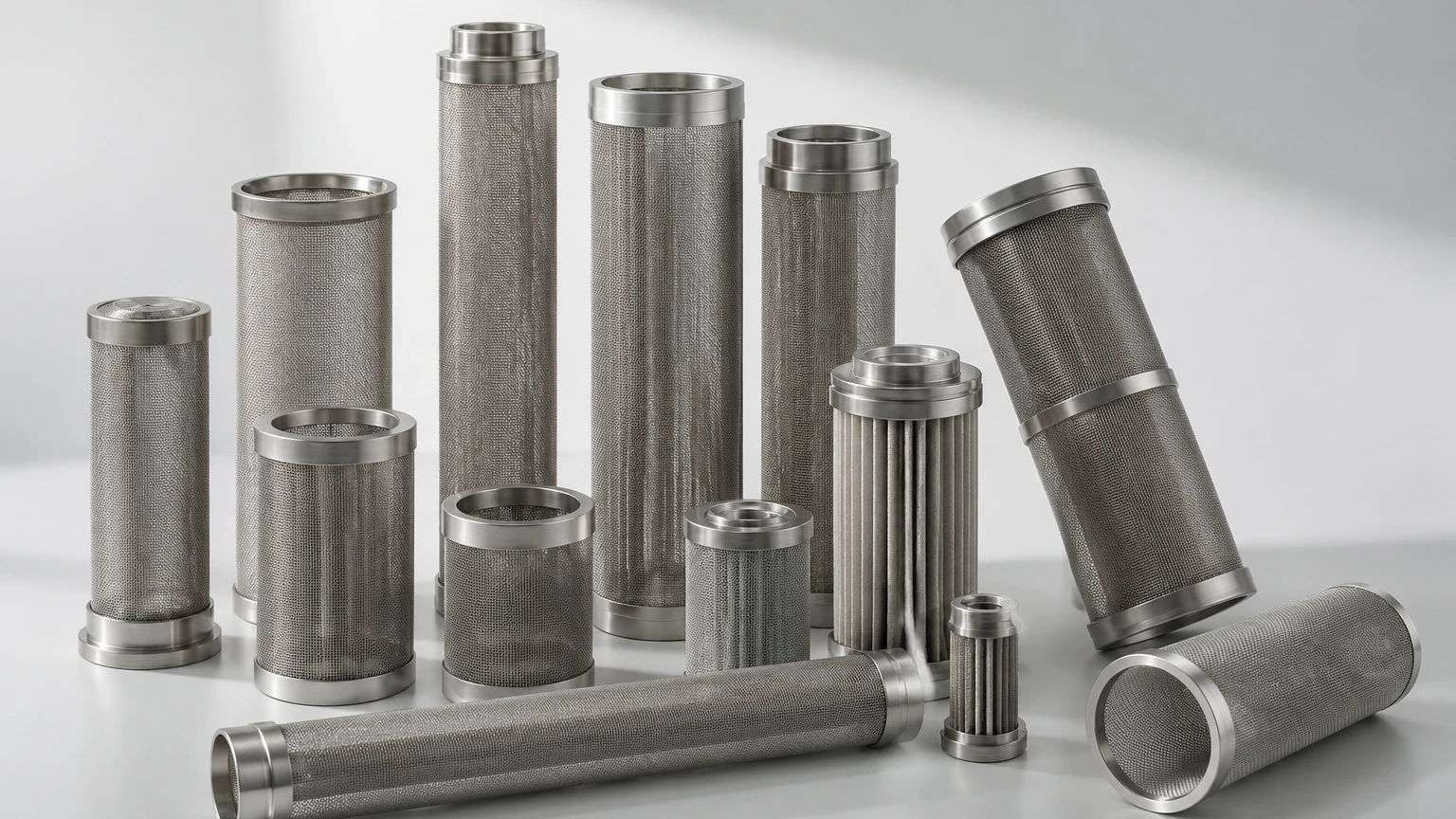
At Kaifil, we understand that precision in the manufacturing of filter components is vital. Our custom stainless steel filtration solutions are designed to integrate seamlessly into OEM traveling screen assemblies. This includes not only the mesh panels but also the support frames and reinforcement bars that prevent mesh sagging under heavy loads. By utilizing advanced weaving and welding techniques, we ensure that the filtration surface remains uniform, preventing bypass and ensuring consistent debris removal.
Maintenance and Total Cost of Ownership (TCO)
While the initial capital expenditure for traveling screens is significant, the long-term value is found in reduced maintenance and operational uptime. A well-designed screen system should operate for decades with routine servicing. However, certain components are subject to wear and require regular inspection.
Common Wear Points
* Chains and Sprockets: These components are constantly submerged or exposed to moisture. Proper lubrication (if applicable) and the use of hardened materials are essential.
* Spray Nozzles: If the spray headers become clogged, debris will not be effectively removed from the mesh, leading to carry-over and potential screen damage. Using filtered water for the spray system can mitigate this risk.
* Seal Strips: Flexible seals at the bottom and sides of the screen prevent debris from bypassing the filtration surface. These seals must be inspected for wear and replaced periodically.
Replacement Cycles
The replacement cycle for screen panels depends heavily on the debris type and water chemistry. In high-debris environments with abrasive silts, mesh panels may need replacement every 5 to 10 years. By selecting high-quality stainless steel components from the outset, facilities can extend these cycles and reduce the total cost of ownership. Investing in superior materials reduces the frequency of emergency repairs and unplanned outages, which are far more costly than preventative maintenance.
Environmental Compliance and Fish Protection
Modern traveling screens are often subject to environmental regulations, such as Section 316(b) of the Clean Water Act in the United States, which aims to reduce the impact of cooling water intake structures on aquatic life.
Engineers must often incorporate "fish-handling" features into traveling screen designs. These include:
* Fish Buckets: Specialized troughs attached to the bottom of each screen panel that collect fish and keep them submerged in water as they are lifted.
* Low-Pressure Wash Systems: A secondary spray header that gently removes fish from the screens before the high-pressure debris wash occurs.
* Smooth Mesh Surfaces: Using specialized weaves that minimize scales loss and physical injury to aquatic organisms.
Technical Evaluation: What to Confirm Before Purchasing
When technical professionals and purchasing teams evaluate traveling screen components or full systems, several critical data points must be confirmed to ensure the solution is fit for purpose:
1. Maximum and Minimum Water Levels: The screen must be tall enough to handle flood stages while remaining effective during low-water periods.
2. Flow Velocity: The approach velocity should generally be kept below 0.5 feet per second (fps) to minimize fish impingement and debris compaction against the mesh.
3. Debris Characteristics: Is the debris primarily organic (seaweed, leaves) or inorganic (trash, silt)? This influences the choice of mesh weave and the design of the spray wash system.
4. Chemical Compatibility: Are there any chemicals added upstream (such as biocides for zebra mussel control) that could react with the screen materials?
Conclusion
Traveling screens are indispensable components of industrial water management, providing the necessary protection for complex downstream systems. The success of these installations relies on rigorous engineering, precise material selection, and a deep understanding of the specific application environment. By focusing on high-quality stainless steel components and customized designs, industrial operators can achieve reliable, long-term filtration performance with minimal intervention.
For engineers seeking dependable filtration components and custom-engineered solutions, Kaifil offers the technical expertise and manufacturing capability to meet the most demanding specifications. Explore our capabilities and product range by visiting our Main Page to see how we can support your next industrial filtration project.
