


Type I Pool Filter
In the landscape of industrial and commercial water treatment, the Type I pool filter represents one of the most fundamental components for low-volume circulation and pre-filtration systems. While often associated with small-scale recreational applications, the engineering principles governing these filters—surface area, micron rating, and material compatibility—are critical for technical professionals managing auxiliary cooling loops, small-batch chemical processing, and specialized pharmaceutical water systems. For procurement teams and engineers, understanding the technical nuances of the Type I filter is essential for maintaining system integrity and optimizing the total cost of ownership (TCO).
As a manufacturer specializing in precision stainless steel filtration, Kaifil provides high-performance alternatives and OEM components that elevate standard filtration designs to meet industrial rigors. Whether you are sourcing standard replacements or seeking customized metal mesh solutions, a deep dive into the specifications of the Type I filter reveals how these components impact overall hydraulic efficiency. For more information on our full range of industrial solutions, visit our Main Page.
Technical Specifications and Standard Dimensions
The Type I pool filter is characterized by its compact cylindrical form factor. In the standardized market, these cartridges typically measure approximately 3.1 inches (79 mm) in outer diameter and 3.5 inches (89 mm) in height, with an inner diameter of roughly 1.1 inches (28 mm). These dimensions are calculated to fit specific pump housings, ensuring a tight seal that prevents bypass—a common failure point in low-pressure filtration systems.
From an engineering perspective, the internal structure of a Type I filter relies on a pleated design. The pleats are not merely a stylistic choice; they are a functional necessity designed to maximize the Effective Filtration Area (EFA). By increasing the surface area within a fixed volume, the filter can handle higher flow rates with lower initial pressure drops. In industrial contexts, the EFA determines how long a filter can operate before the accumulation of particulates creates a differential pressure high enough to trigger a maintenance cycle or risk pump cavitation.
Engineering Considerations for Filtration Efficiency
Filtration efficiency in a Type I pool filter is primarily dictated by the pore size of the media, often referred to as the micron rating. Standard synthetic Type I filters generally offer nominal filtration, capturing particles in the 20 to 50-micron range. However, in sensitive industrial applications, nominal ratings may be insufficient.
Engineers must evaluate the following when selecting a filter:
1. Particle Retention: The ability of the media to capture specific contaminants without shedding fibers into the downstream flow.
2. Hydraulic Resistance: The measure of how much the filter inhibits flow. A high-quality Type I filter should maintain a low clean pressure drop (ΔP) to preserve the longevity of the circulation pump.
3. Dirt Holding Capacity (DHC): This refers to the total mass of contaminants the filter can retain before reaching its terminal pressure drop. A higher DHC translates directly to longer service intervals and reduced labor costs.
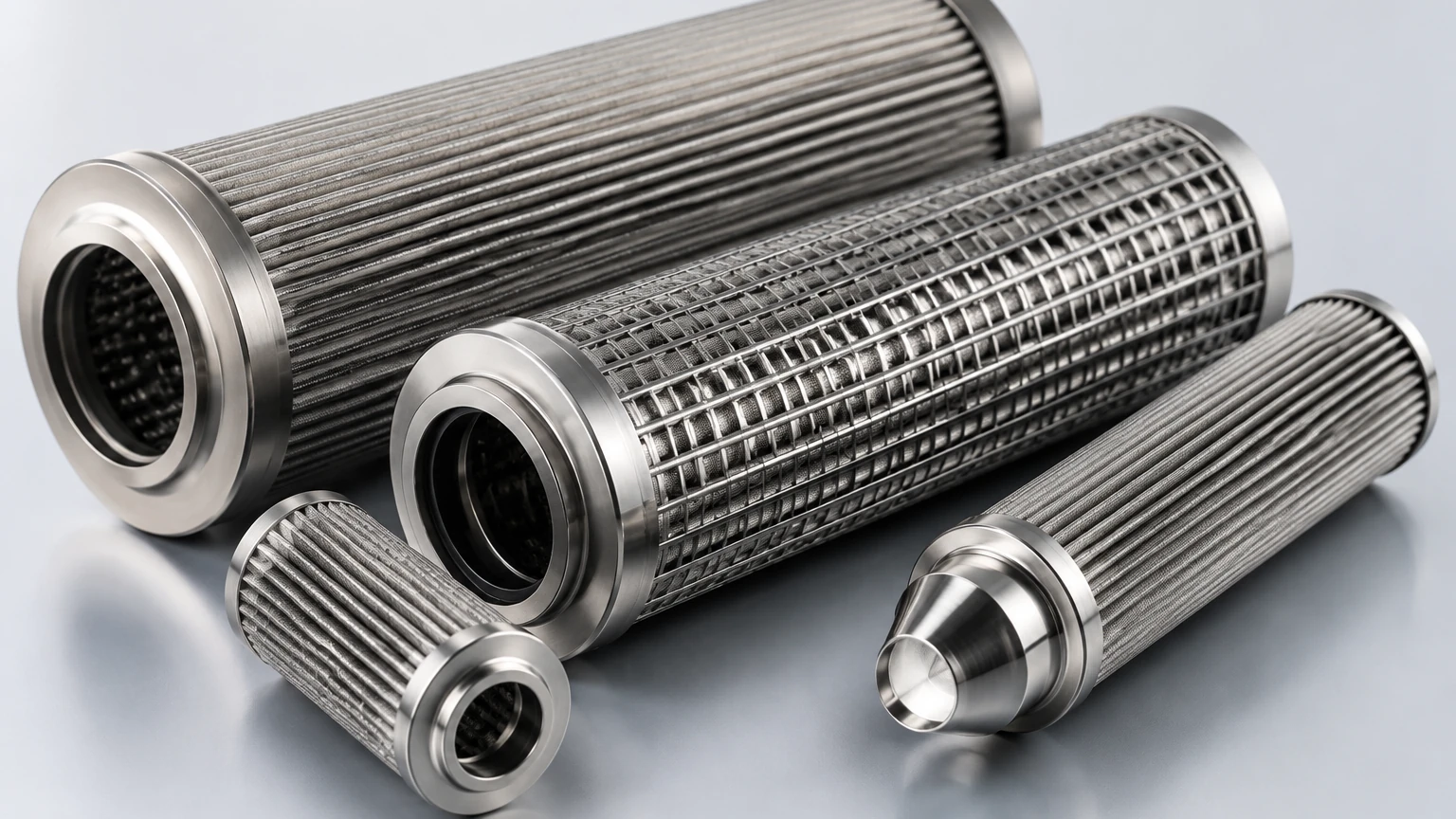
For applications requiring higher precision or durability, stainless steel wire mesh can be engineered to replace traditional non-woven fabrics. Metal mesh provides a defined aperture size, ensuring absolute filtration ratings that synthetic materials often struggle to maintain under varying pressure loads.
Material Selection: From Synthetic to Stainless Steel
Most off-the-shelf Type I filters utilize a non-woven polyester or paper-based media. While cost-effective for short-term use in benign environments, these materials face significant limitations in industrial settings. Chemical exposure, high temperatures, and mechanical stress can cause synthetic fibers to degrade, leading to "media migration" where the filter itself becomes a source of contamination.
Kaifil addresses these challenges by offering custom stainless steel filtration solutions. Transitioning to a stainless steel Type I equivalent offers several technical advantages:
* Chemical Compatibility: Stainless steel 304 and 316L are resistant to a wide array of solvents, oils, and sanitizing chemicals that would dissolve or weaken synthetic polymers.
* Thermal Stability: Industrial processes involving heated fluids require filters that do not lose structural integrity at elevated temperatures.
* Mechanical Strength: Metal filters can withstand higher differential pressures without collapsing, providing a safety margin in systems where pressure spikes are common.
By selecting materials based on the specific chemical and thermal profile of the fluid, engineers can prevent premature filter failure and ensure consistent output quality.
Evaluating Flow Rates and Pressure Drop
The relationship between flow rate and pressure drop is a critical metric for any filtration system. For a Type I pool filter, the flow rate is typically rated between 200 and 350 gallons per hour (GPH), depending on the pump's capabilities. However, as the filter captures debris, the pores become restricted, leading to an increase in differential pressure.
In a B2B environment, monitoring this ΔP is vital for predictive maintenance. If a system is designed with a Type I filter, engineers should specify the maximum allowable pressure drop before the filter must be cleaned or replaced. Using a filter with insufficient surface area for the intended flow rate will lead to rapid clogging, frequent downtime, and potential damage to the pump motor due to excessive backpressure.
When Kaifil designs custom metal filter components, we utilize advanced manufacturing techniques to optimize the weave pattern and pleat density. This ensures that even in a compact Type I footprint, the hydraulic efficiency remains high, allowing the system to operate within its optimal performance curve for longer durations.
Maintenance, Cleaning, and Replacement Cycles
One of the primary concerns for purchasing teams is the recurring cost of consumables. Standard synthetic Type I filters are generally considered disposable. In high-debris environments, these may need to be replaced every two weeks, leading to significant waste and ongoing procurement logistics.
In contrast, industrial-grade metal filters are designed for reusability. A stainless steel Type I filter can be cleaned using various methods, including:
* Backwashing: Reversing the flow of fluid to dislodge particles from the surface of the mesh.
* Ultrasonic Cleaning: Using high-frequency sound waves in a solvent bath to remove fine particulates trapped deep within the mesh layers.
* Chemical Soaking: Utilizing specific detergents to dissolve organic or mineral buildup without damaging the filter structure.
The ability to clean and reuse a filter significantly alters the TCO. While the initial investment in a precision-engineered metal filter is higher than a disposable synthetic one, the elimination of bi-weekly replacement costs and the reduction in environmental impact provide a compelling ROI for long-term industrial operations.
Custom Filtration Solutions for Industrial Water Treatment
Not every industrial application fits the standard mold of a consumer-grade Type I filter. Many OEM (Original Equipment Manufacturer) projects require the specific dimensions of a Type I cartridge but demand performance characteristics that standard retail products cannot provide. This is where Kaifil’s expertise in custom manufacturing becomes a strategic asset.
We work closely with engineering teams to develop bespoke filtration components that integrate seamlessly into existing housings while providing enhanced functionality. Customization options include:
* Variable Micron Ratings: Tailoring the wire mesh to capture specific particle sizes relevant to the process.
* Reinforced Cores: Adding internal support structures to prevent collapse in high-pressure hydraulic applications.
* Specialized End Caps: Designing custom gaskets or end cap geometries to ensure a perfect seal in proprietary equipment.
By moving beyond the "one-size-fits-all" approach of standard Type I filters, companies can achieve higher levels of process control and equipment protection. Our commitment to quality and durability ensures that every component we produce meets the demanding standards of the chemical, pharmaceutical, and food and beverage industries.
Total Cost of Ownership (TCO) and Procurement Strategy
For purchasing departments, the decision to source Type I filters involves more than just comparing the unit price. A comprehensive TCO analysis must include:
1. Unit Cost: The price per filter.
2. Replacement Frequency: How often the filter fails or clogs.
3. Labor Costs: The time required for staff to change or clean the filters.
4. Disposal Costs: The expense associated with managing waste streams, especially if the filters are contaminated with hazardous materials.
5. System Downtime: The lost productivity incurred during filter changes.
In many B2B scenarios, upgrading to a more durable, cleanable stainless steel solution reduces the frequency of procurement cycles and minimizes the labor hours dedicated to maintenance. Furthermore, the reliability of a precision-manufactured filter reduces the risk of downstream equipment damage, which can far exceed the cost of the filtration components themselves.
Conclusion: Making Informed Filtration Choices
The Type I pool filter may be small in stature, but its role in maintaining fluid purity and protecting system components is significant. Whether you are operating a standard water circulation system or a complex industrial process, the choice of filter media, construction quality, and maintenance protocol will directly impact your operational efficiency.
At Kaifil, we understand that industrial filtration requires a balance of precision, durability, and cost-effectiveness. By providing high-quality stainless steel filtration solutions and OEM support, we help engineers and purchasing teams overcome the limitations of standard disposable filters. To explore how our custom metal mesh components can optimize your filtration processes, or to view our full product catalog, please visit our Main Page.
When evaluating your next filtration requirement, consider the long-term benefits of engineering-grade materials. A filter that is designed to last not only improves your process reliability but also contributes to a more sustainable and cost-efficient operation. Confirming the specific chemical compatibility, pressure requirements, and micron needs of your application is the first step toward achieving optimized filtration performance.
