


Type Vi Hot Tub Filter
In the landscape of water treatment and localized filtration systems, the Type VI hot tub filter represents a standardized solution for maintaining water clarity and hygiene in small-scale, portable spa environments. While often viewed through the lens of consumer maintenance, the engineering principles governing these filters—ranging from hydraulic resistance to material permeability—are critical for technical professionals and purchasing teams tasked with managing water quality. Understanding the technical nuances of the Type VI specification is essential for evaluating performance expectations and considering more durable, industrial-grade alternatives for specialized applications.
The Technical Architecture of Type VI Filtration
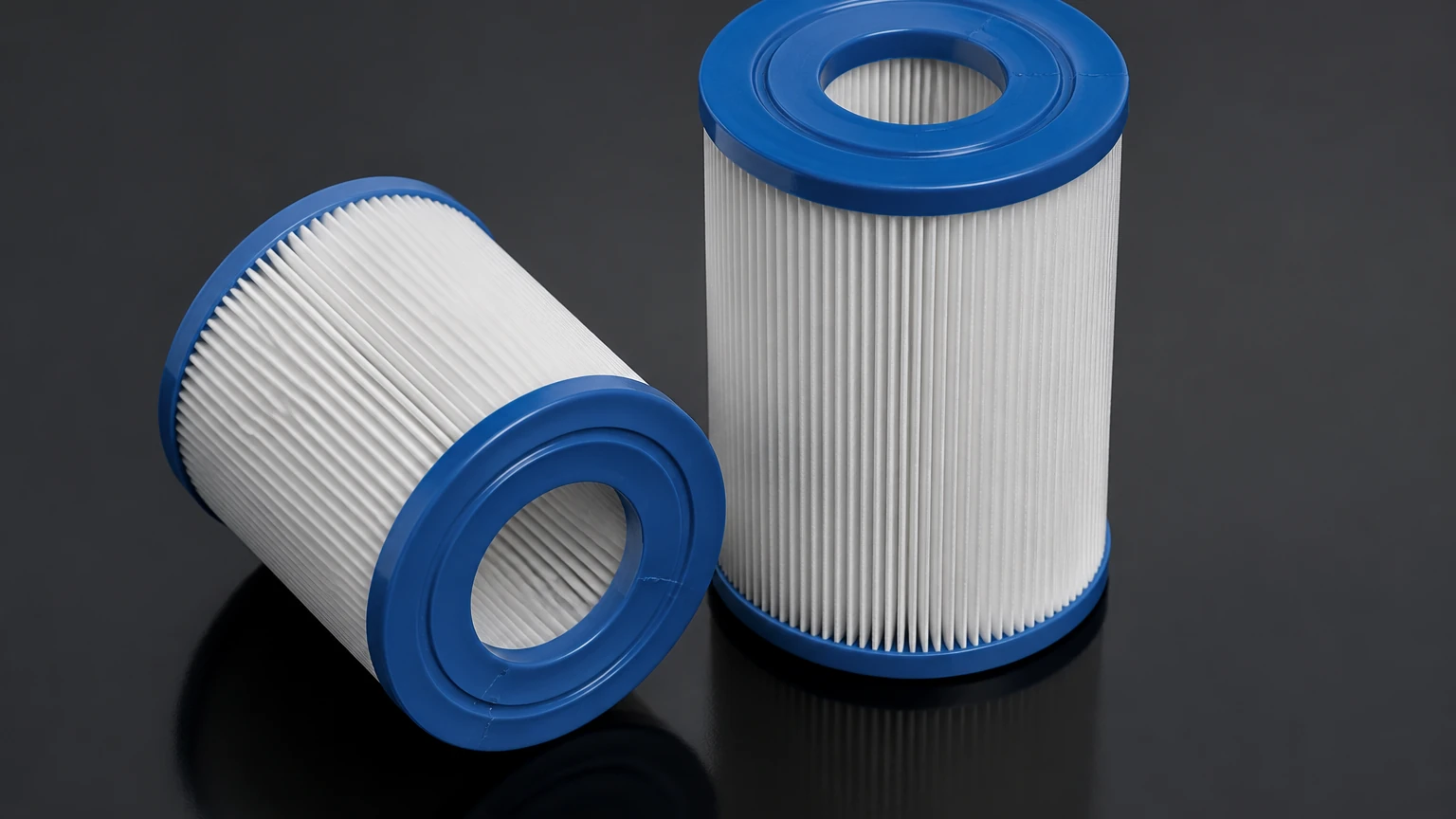
The Type VI hot tub filter is defined by its specific physical dimensions and media configuration. Typically measuring approximately 4.1 inches (104 mm) in diameter and 3.1 inches (80 mm) in height, these filters are designed to fit integrated pump systems in portable inflatable spas. From an engineering standpoint, the effectiveness of the filter is not merely a function of its size but of its effective filtration surface area.
Most Type VI filters utilize a pleated cartridge design. The pleating process significantly increases the surface area available for particle entrapment without increasing the outer footprint of the component. This design allows for a higher dirt-holding capacity and lower initial pressure drop across the media. For engineers, the pleat count and the depth of the pleats are vital metrics; a higher pleat density generally correlates with a longer service life before the onset of terminal pressure drop, provided the flow velocity remains within the media's design limits.
Material Science: Polyester Media vs. Industrial Alternatives
The standard media used in a Type VI hot tub filter is non-woven polyester (often referred to as Reemay in industrial contexts). Polyester is selected for its balance of cost-effectiveness and chemical resistance to common sanitizers like chlorine and bromine. However, when evaluating these components for high-demand or industrial-adjacent use, several material limitations must be considered:
1. Mechanical Strength: Non-woven polymers are prone to deformation under high differential pressure. If a pump continues to operate against a heavily fouled Type VI filter, the media may collapse or "bridge," allowing bypass of unfiltered water.
2. Chemical Degradation: While resistant to standard pool chemicals, prolonged exposure to high temperatures and fluctuating pH levels can lead to the embrittlement of the polymer fibers, eventually resulting in fiber migration into the effluent stream.
3. Filtration Precision: Most polyester spa filters provide nominal filtration, typically in the range of 20 to 50 microns. For applications requiring absolute filtration or the removal of finer particulates, alternative media such as sintered metal or fine stainless steel wire mesh are often required.
In contrast, industrial filtration solutions, such as those found on the Kaifil Main Page, often utilize 304 or 316L stainless steel. These materials offer superior structural integrity and can be cleaned and reused indefinitely, providing a different value proposition regarding total cost of ownership (TCO) and environmental impact.
Hydraulic Performance and Flow Dynamics
For any filtration system, the relationship between flow rate and pressure drop (ΔP) is a primary design consideration. A Type VI hot tub filter must facilitate sufficient flow to ensure the entire volume of the spa is turnovered multiple times per hour to meet hygiene standards.
When a filter is clean, the resistance to flow is minimal. However, as particulates—such as skin cells, oils, and environmental debris—accumulate on the surface of the pleated media, the effective pore size decreases. This leads to an increase in hydraulic resistance. In B2B and industrial contexts, monitoring this pressure differential is crucial. If the ΔP exceeds the pump's capability, flow rates will drop, potentially leading to stagnation or equipment overheating.
Engineers must also account for the "face velocity" of the water as it hits the filter media. If the velocity is too high, particulates can be forced through the media (breakthrough), or the media itself can be damaged. Selecting the correct filter involves balancing the required filtration fineness with the system's hydraulic capacity.
Maintenance Cycles and Total Cost of Ownership
The Type VI hot tub filter is generally categorized as a consumable component. In standard residential or light commercial use, these filters require cleaning every few days and complete replacement every two to four weeks. From a procurement perspective, this creates a recurring operational expense and a logistical requirement for inventory management.
When analyzing the TCO, purchasing teams must weigh the low unit cost of disposable polyester filters against the longevity of permanent filtration solutions. Industrial-grade stainless steel filters, while requiring a higher initial capital expenditure (CAPEX), eliminate the recurring cost of replacements and the waste associated with disposable cartridges. Furthermore, stainless steel components are better suited for automated backwashing systems, which reduce the labor costs associated with manual filter cleaning.
For facilities managing multiple units or larger-scale water features, the transition from disposable Type VI-style cartridges to customized metal filtration components can lead to significant long-term savings and improved system reliability.
Engineering Considerations for Custom Filtration Solutions
While the Type VI hot tub filter serves a specific niche, many industrial applications require custom-engineered solutions that go beyond standard consumer specifications. When designing or sourcing a filtration component for a specialized water treatment system, engineers should confirm the following parameters:
* Micron Rating Requirements: Is nominal filtration sufficient, or is an absolute rating required to protect downstream components?
* Fluid Compatibility: Beyond water, will the filter encounter oils, solvents, or extreme pH levels that might degrade standard polymers?
* Operating Temperature: Will the system operate at temperatures exceeding the 40°C (104°F) limit typical of standard spa filters?
* Structural Requirements: Does the filter need to withstand high-pressure surges or mechanical vibration?
Kaifil specializes in addressing these complex requirements through the manufacture of custom stainless steel wire mesh filters and precision metal components. By utilizing advanced manufacturing techniques, it is possible to create filtration solutions that match the form factor of a Type VI filter but offer the durability and precision of industrial-grade materials.
Quality Assurance and Procurement Standards
When sourcing filtration components, whether they are standard Type VI replacements or custom industrial filters, quality assurance is paramount. Substandard filters often suffer from poor end-cap bonding, where the pleated media meets the plastic or rubber housing. Failure at this junction allows unfiltered water to bypass the media entirely, rendering the filtration system ineffective.
For B2B buyers, verifying the manufacturing standards of the supplier is essential. This includes checking for material certifications (such as ISO standards or food-grade compliance where applicable) and ensuring that the filtration efficiency claims are backed by empirical testing. In industrial environments, a filter failure is not merely a maintenance nuisance; it can lead to downstream equipment damage, production downtime, and compromised product quality.
Conclusion: Selecting the Right Filtration Path
The Type VI hot tub filter is a functional solution for its intended application, but it serves as a baseline for understanding the broader requirements of water filtration. For engineers and technical professionals, the choice between standard disposable media and high-performance custom solutions depends on the specific demands of the application, the desired filtration accuracy, and the long-term economic goals of the project.
By evaluating the material properties, hydraulic performance, and structural integrity of filtration components, organizations can optimize their water treatment processes. For those requiring precision engineering and durable metal filtration solutions, exploring professional manufacturing capabilities is the next logical step. To review specialized product options and receive technical application support for industrial filtration needs, professionals are encouraged to visit the Kaifil Main Page. Understanding the boundary between consumer-grade consumables and industrial-grade components ensures that water quality is maintained efficiently, reliably, and cost-effectively.
