


Wastewater Screening
Wastewater screening is a critical preliminary treatment process designed to remove large solids, debris, and particulate matter from influent streams before they reach downstream equipment. In industrial and municipal settings, effective screening protects sensitive components such as pumps, valves, and membranes from mechanical damage, clogging, and excessive wear. For engineers and facility managers, selecting the appropriate screening technology is not merely about removing waste; it is about optimizing the hydraulic efficiency of the entire treatment plant and reducing the total cost of ownership through durable material selection.
At its core, wastewater screening serves as a physical barrier. By utilizing precision-engineered components, such as those found on our Main Page, operators can ensure that only fluids and particles below a specific size threshold proceed to secondary and tertiary treatment stages. This article examines the technical nuances of screening technologies, material considerations, and the engineering criteria essential for high-performance industrial filtration.
The Fundamentals of Wastewater Screening in Industrial Processes
The primary objective of wastewater screening is the removal of "screenings"—objects such as rags, plastics, metal fragments, and organic solids that could interfere with subsequent processes. In industrial environments, such as chemical processing or food and beverage production, these solids may be byproducts of the manufacturing process that require recovery or specialized disposal.
Screening is typically categorized by the size of the openings in the screening media:
1. Coarse Screening: Usually involves openings larger than 6mm (0.25 inches). These are often bar screens or trash racks designed to catch large debris.
2. Fine Screening: Utilizes openings ranging from 0.5mm to 6mm. Fine screens are essential for protecting advanced treatment technologies like Membrane Bioreactors (MBR).
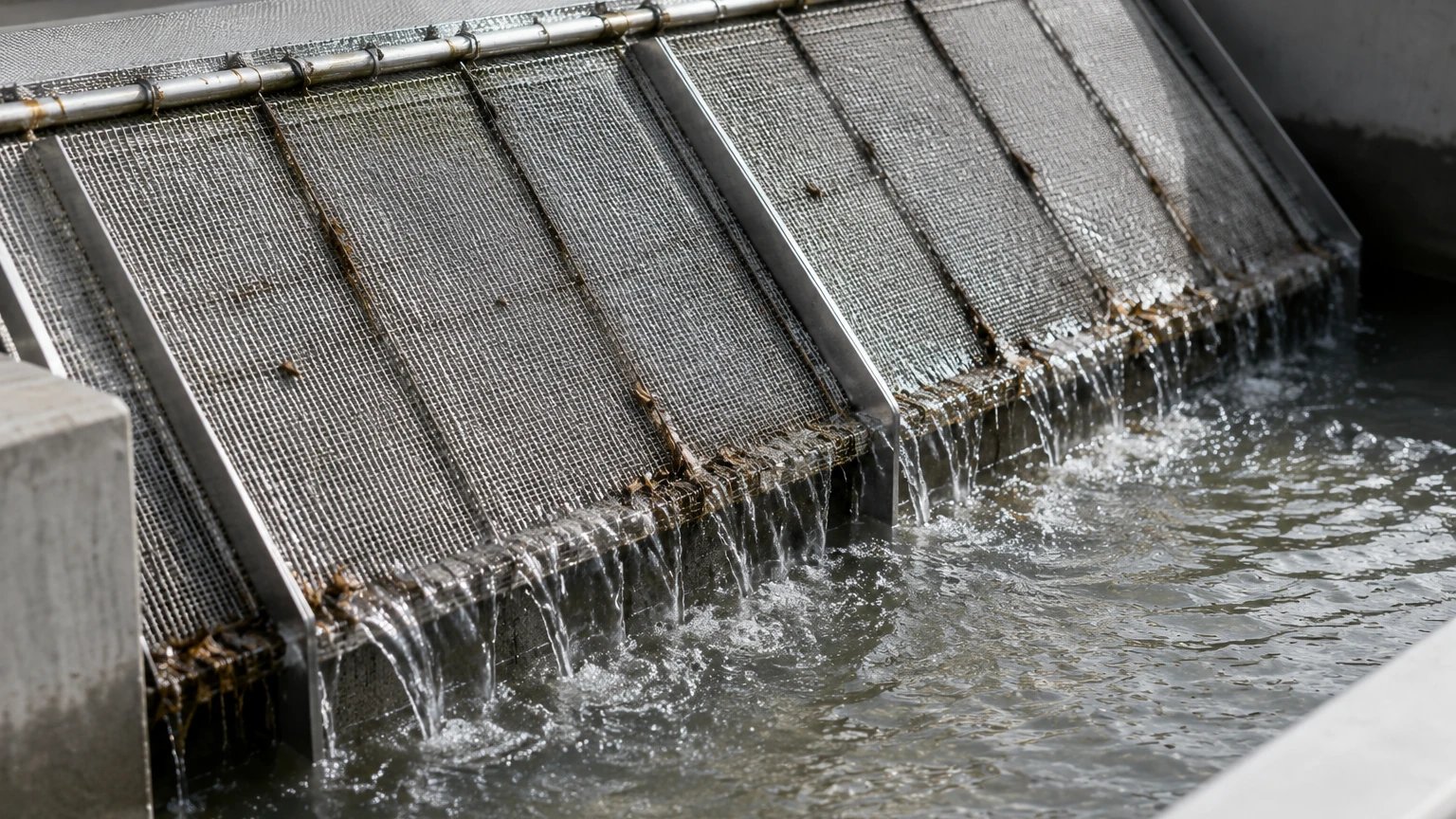
3. Microscreening: Involves apertures smaller than 0.5mm, often utilizing stainless steel wire mesh or specialized filter cartridges to remove fine suspended solids.
The choice between these stages depends on the influent characteristics and the sensitivity of the downstream equipment. For instance, a high-pressure hydraulic system or a precision chemical reactor may require much finer screening than a standard municipal gravity flow system.
Classifying Screening Methods: Coarse vs. Fine Filtration
Engineering a wastewater screening system requires an understanding of the mechanical methods used to separate solids from the liquid phase. The geometry of the screen significantly impacts the capture rate and the hydraulic head loss.
Mechanical Bar Screens
These are the most common form of coarse screening. They consist of parallel bars spaced at specific intervals. While effective for large objects, they have a lower capture efficiency for smaller, flexible solids like hair or synthetic fibers. In modern industrial applications, mechanically cleaned bar screens are preferred over manual versions to ensure consistent flow and reduce labor costs.
Perforated Plate Screens
Perforated plates offer a higher capture efficiency than bar screens because they limit the passage of solids in two dimensions. These are frequently used in fine screening applications. However, they require robust cleaning mechanisms, such as brushes or high-pressure water jets, to prevent "blinding" (the accumulation of solids that block the openings).
Wire Mesh and Wedge Wire Screens
For precision industrial applications, stainless steel wire mesh provides a high open-area ratio, which allows for high flow rates with minimal pressure drop. Wedge wire, characterized by its V-shaped profile, is particularly effective in wastewater screening because the widening gap between the wires reduces the likelihood of particles becoming wedged in the screen. This "self-cleaning" property is vital for continuous industrial operations.
Material Engineering: Why Stainless Steel is the Standard
The environment within a wastewater treatment system is often chemically aggressive and physically demanding. Materials must withstand varying pH levels, abrasive grit, and constant hydraulic pressure. Stainless steel, specifically grades 304 and 316L, is the industry standard for high-quality screening components.
Corrosion Resistance
Industrial wastewater often contains chlorides, acids, or alkaline cleaning agents. Grade 304 stainless steel provides excellent resistance for general applications, while Grade 316L, which contains molybdenum, offers superior protection against pitting and crevice corrosion in high-chloride environments. This longevity is crucial for minimizing replacement cycles and avoiding unplanned downtime.
Structural Integrity and Durability
Unlike plastic or lower-grade metal alternatives, stainless steel maintains its structural integrity under high differential pressure. In events where a screen becomes heavily loaded with debris, the material must resist deformation. Precision-welded stainless steel filter cartridges and mesh screens provide the rigidity necessary to handle these surge loads without failing.
Key Performance Indicators for Screen Selection
When evaluating wastewater screening solutions, engineers must look beyond the initial purchase price and focus on performance metrics that impact long-term operational efficiency.
Capture Efficiency
Capture efficiency refers to the percentage of solids removed from the influent. This is influenced by the aperture size and the shape of the screening media. A higher capture efficiency reduces the load on secondary treatment but may increase the frequency of screen cleaning.
Hydraulic Head Loss
Head loss is the reduction in fluid pressure as it passes through the screen. Excessive head loss can lead to upstream flooding or require more powerful pumps, increasing energy consumption. Factors influencing head loss include the open area ratio of the mesh and the accumulation of solids on the screen surface.
Cleaning and Maintenance Requirements
In a B2B context, the ease of maintenance is a primary consideration. Screens that are difficult to clean lead to higher labor costs and potential process interruptions. Automated backwashing systems or mechanical scrapers are often integrated into the design to maintain optimal flow. Engineering teams should confirm the compatibility of the screen material with the intended cleaning method, whether it involves chemical CIP (Clean-In-Place) or high-pressure mechanical cleaning.
Common Challenges in Wastewater Screening Operations
Even the most robustly designed wastewater screening system can face operational hurdles if not correctly specified for the application.
1. Blinding and Clogging: This occurs when fats, oils, and grease (FOG) or fibrous materials coat the screen. Selecting a screen with a specific surface finish or utilizing wedge wire can mitigate this risk.
2. Abrasive Wear: In systems with high grit content, the screening media can erode over time. Hardened stainless steel alloys or thicker wire diameters may be necessary to extend the service life of the component.
3. Chemical Incompatibility: If the wastewater contains highly concentrated corrosive agents, even standard stainless steel may require specialized passivation treatments or the use of higher-alloy materials to prevent premature failure.
To address these challenges, many organizations look for customized filtration components that are tailored to their specific influent profile. Reviewing the technical specifications of various filter types on our Main Page can help identify the right balance between filtration accuracy and durability.
Customization and OEM Integration for Filtration Systems
No two industrial wastewater streams are identical. A food processing plant's wastewater will have different characteristics than that of a pharmaceutical facility. Consequently, off-the-shelf screening solutions may not always provide the required performance. Customization in wastewater screening involves several engineering variables:
* Micron Ratings: Tailoring the mesh size to target specific particle distributions.
* Housing and Connection Types: Ensuring the filter cartridge or screen fits seamlessly into existing piping and vessel architectures.
* Reinforcement Structures: Adding internal or external support cages to mesh filters to handle high-pressure differentials in hydraulic or heavy-duty industrial applications.
OEM (Original Equipment Manufacturer) capabilities allow for the development of proprietary screening components that meet the exact standards of a larger system design. This collaborative engineering approach ensures that the filtration component is an asset to the system rather than a bottleneck.
Engineering Checklist: Preparing for Procurement
Before finalizing a wastewater screening specification, purchasing teams and engineers should confirm the following data points to ensure the selected solution is fit for purpose:
* Influent Flow Rate: What are the average, peak, and minimum flow rates the screen must handle?
* Particle Characterization: What is the size, shape, and concentration of the solids being removed?
* Chemical Profile: What is the pH range, and are there specific chemicals (e.g., chlorine, solvents) present that could affect material longevity?
* Space Constraints: Are there physical limitations on the installation site that dictate the screen's footprint or orientation?
* Disposal Requirements: How will the captured screenings be collected, dewatered, and disposed of?
By addressing these questions early in the design phase, engineers can select a wastewater screening solution that provides reliable performance and a lower total cost of ownership. High-quality stainless steel components remain the most dependable choice for demanding industrial environments where precision and durability are non-negotiable.
Effective wastewater screening is the foundation of an efficient treatment process. By prioritizing material quality, hydraulic performance, and application-specific design, industrial operators can protect their infrastructure and ensure compliance with environmental regulations. For those seeking detailed specifications on stainless steel filtration components, visiting our Main Page provides access to a wide range of industrial solutions designed for the most challenging filtration tasks.
