


What Is a Sparger
In the realm of industrial processing, the efficiency of gas-liquid interactions often dictates the success of a chemical reaction, the quality of a beverage, or the yield of a bioreactor. Central to these processes is a specialized component known as a sparger. For engineers and procurement teams, understanding what is a sparger—and more importantly, how to select the correct configuration—is essential for optimizing mass transfer and ensuring long-term operational reliability.
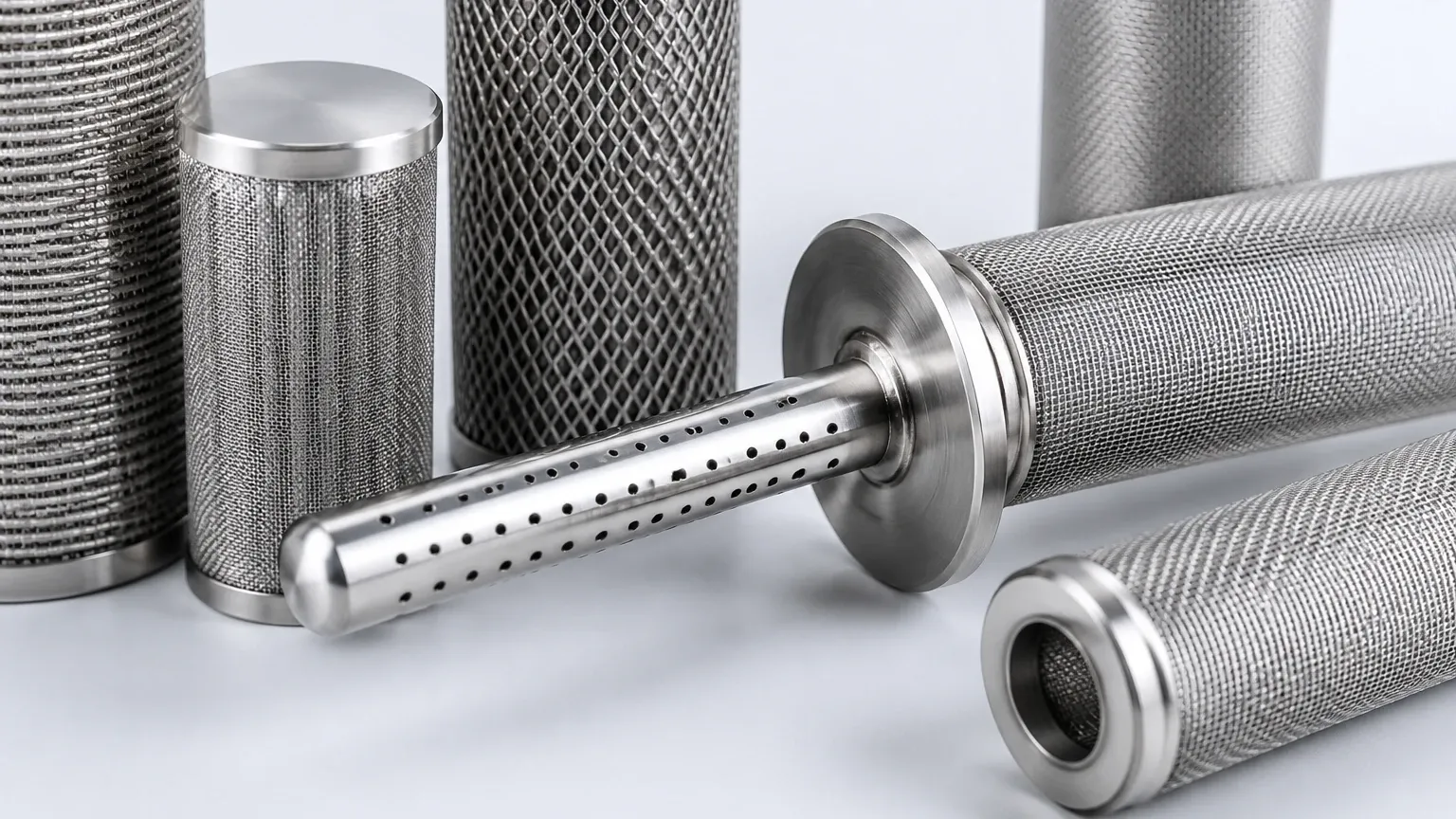
At its most fundamental level, a sparger is a device used to introduce gas into a liquid. While the concept sounds simple, the engineering behind it involves complex fluid dynamics, material science, and precision manufacturing. Unlike a simple pipe with holes, high-performance industrial spargers, particularly those manufactured from sintered stainless steel, are designed to create specific bubble sizes that maximize the surface area between the gas and the liquid phases.
The Fundamental Principles of Gas Sparging
To answer the question of what is a sparger from an engineering perspective, one must look at the principle of mass transfer. The goal of most sparging applications is to dissolve a gas into a liquid or to use gas bubbles to strip volatile components from a liquid. The rate at which this occurs is governed by the mass transfer equation, where the surface area of the gas bubbles plays a critical role.
When gas is injected into a liquid, it forms bubbles. A single large bubble has significantly less surface area than thousands of tiny bubbles containing the same total volume of gas. By utilizing porous materials, such as those found on the Main Page of specialized filtration manufacturers, engineers can produce "fine bubble" aeration. These micro-bubbles rise more slowly through the liquid column, increasing the "residence time" and allowing more gas to dissolve before the bubble reaches the surface.
Bubble Dynamics and Surface Area
In industrial applications, the transition from coarse bubble sparging to fine bubble sparging can increase mass transfer efficiency by up to 300% or more. This efficiency is why sintered metal spargers have become the industry standard for demanding applications. The pore size of the sintered media determines the initial bubble size, which is typically engineered to be in the range of 0.5 to 100 micrometers depending on the viscosity of the liquid and the required gas flow rate.
Types of Spargers and Their Industrial Utility
While the basic function remains the same, the design of a sparger varies significantly based on the application environment. Understanding the different types helps in identifying the right solution for specific technical requirements.
Porous Sintered Metal Spargers
Sintered metal spargers are constructed from stainless steel powder (typically 316L) that is pressed and heated until the particles bond without melting. This creates a rigid, porous structure. These are the most efficient spargers available because they produce the smallest possible bubbles. They are widely used in the pharmaceutical and chemical industries where precise gas control is mandatory.
Pipe and Nipple Spargers
Often referred to as "drilled pipes," these are the simplest form of spargers. They consist of a pipe with holes drilled at regular intervals. While cost-effective and easy to manufacture, they produce relatively large bubbles and are prone to clogging if the liquid contains solids. They are generally reserved for applications where high efficiency is not the primary concern, such as basic tank agitation.
Sparger Rings
In large fermentation tanks or chemical reactors, sparger rings are used to distribute gas evenly across the bottom of the vessel. These can be made of solid pipe or fitted with sintered metal segments. The ring shape ensures that gas reaches the entire cross-section of the tank, preventing "dead zones" where the liquid remains untreated.
Engineering Considerations for Sparger Selection
Selecting a sparger involves more than just choosing a micron rating. Engineers must consider several variables to ensure the component performs as expected under process conditions.
Gas Flow Rate and Exit Velocity
The volume of gas required per minute (SCFM or SLPM) determines the surface area of the sparger needed. If the gas flow is too high for the surface area, bubbles will coalesce (merge) at the surface of the sparger, resulting in larger bubbles and reduced efficiency. This is known as "flooding" the sparger. Manufacturers like Kaifil calculate the optimal flux rate to ensure bubbles detach individually.
Differential Pressure (Delta P)
There is always a pressure drop across a porous medium. Engineers must ensure that the gas supply pressure is high enough to overcome both the liquid head pressure (the weight of the liquid above the sparger) and the resistance of the sparger itself. A well-designed sparger minimizes this pressure drop to reduce energy costs while maintaining uniform gas distribution.
Material Compatibility
In the chemical and food industries, the sparger must be resistant to the process media. Stainless steel 316L is the standard due to its excellent corrosion resistance and ability to withstand high temperatures. In highly aggressive environments, alloys like Hastelloy or Monel may be required. Furthermore, the material must be able to withstand Clean-in-Place (CIP) chemicals, which often involve strong acids or bases.
Common Applications Across Key Industries
Understanding what is a sparger also requires looking at how they are applied in various sectors to solve specific process challenges.
* Biotechnology and Pharmaceuticals: In bioreactors, spargers provide the oxygen necessary for cell growth. Because cells are sensitive to shear forces, the fine bubbles produced by sintered spargers are ideal as they provide high oxygen transfer without the need for aggressive mechanical agitation.
* Food and Beverage: Carbonation is perhaps the most well-known use of sparging. Injecting CO2 into beer, soda, or water requires precise control to ensure the gas is fully absorbed. Spargers are also used to inject nitrogen into oils to prevent oxidation.
* Chemical Processing: Spargers are used for hydrogenations, oxidations, and pH adjustment using CO2. The ability of sintered metal to withstand high pressures and temperatures makes it suitable for volatile chemical reactors.
* Water Treatment: In wastewater plants, spargers are used for aeration to support aerobic bacteria that break down organic matter. They are also used for ozone injection to disinfect water supplies.
Maintenance, Cleaning, and Longevity
One of the primary concerns for engineers when implementing porous metal spargers is the risk of fouling or clogging. Because the pores are so small, particulates in the gas or liquid can eventually restrict flow. However, with proper maintenance, industrial spargers can last for years.
Cleaning Protocols
Most stainless steel spargers are designed for CIP (Clean-in-Place) or SIP (Steam-in-Place) cycles. For heavy fouling, ultrasonic cleaning is highly effective. This process uses high-frequency sound waves in a cleaning solution to dislodge particles from deep within the porous structure. Chemical cleaning with surfactants or dilute acids can also restore the original flow characteristics.
Preventive Measures
To extend the life of a sparger, it is critical to ensure the gas being injected is filtered. Even tiny amounts of compressor oil or pipe scale can quickly plug a sintered metal sparger. Installing a high-efficiency coalescing filter upstream of the sparger is a standard best practice in industrial system design.
Customization and Technical Support
Every industrial process has unique constraints, which is why off-the-shelf solutions are often insufficient. Customization is a key part of the sparging industry. When working with a manufacturer, engineers should be prepared to confirm the following data points:
1. Liquid Properties: Viscosity, density, and chemical composition.
2. Gas Properties: Type of gas, required flow rate, and temperature.
3. Vessel Geometry: Tank height, diameter, and mounting requirements (e.g., NPT threads, flanges, or sanitary fittings).
4. Operating Environment: Maximum pressure and temperature fluctuations.
By providing these details, technical teams can develop a sparging solution that is tailored to the specific mass transfer requirements of the application, ensuring maximum efficiency and minimal waste.
Conclusion
When asking what is a sparger, it is clear that these components are vital links in the industrial production chain. From ensuring the fizz in a soft drink to providing life-sustaining oxygen in a pharmaceutical fermenter, the sparger’s role is to facilitate the most efficient gas-liquid interface possible. For professionals seeking to optimize their filtration and gas injection systems, focusing on material quality, pore precision, and engineering support is the path to achieving superior process results.
For more information on custom filtration and sparging components, visiting a dedicated technical resource like the Main Page can provide deeper insights into the manufacturing capabilities and material options available for modern industrial challenges.
