


What Is Casing Made of
In the realm of industrial filtration, the term "casing"—often referred to as the filter housing or pressure vessel—serves as the primary structural component that contains the filtration media and manages the flow of fluids under pressure. Understanding what is casing made of is a critical step for engineers and procurement professionals, as the material selection directly impacts the system's durability, chemical compatibility, and safety compliance.
Selecting the wrong material for a casing can lead to catastrophic failures, including stress corrosion cracking, chemical erosion, or structural deformation under high-pressure loads. This guide explores the various materials used in industrial filter casings, the engineering considerations behind their selection, and how these choices align with specific industrial requirements.
Primary Materials Used in Industrial Filter Casings
When determining what is casing made of, the most common answer in industrial environments is metal, specifically stainless steel. However, the exact alloy and grade vary significantly based on the application's demands.
Stainless Steel 304 and 304L
Stainless steel 304 is the "workhorse" of the industrial world. It is an austenitic alloy containing approximately 18% chromium and 8% nickel. It offers excellent corrosion resistance in most atmospheric environments and is widely used for water treatment, pre-filtration, and general industrial liquid processing. The "L" in 304L stands for low carbon, which improves weldability and reduces the risk of intergranular corrosion near weld joints.
Stainless Steel 316 and 316L
For more demanding environments, such as those involving salt water, chlorides, or acidic chemicals, 316 stainless steel is the preferred choice. The addition of 2-3% molybdenum significantly enhances its resistance to pitting and crevice corrosion. In the pharmaceutical and food and beverage industries, 316L is the standard due to its superior resistance to cleaning agents and its ability to maintain a high-quality surface finish. For technical specifications on these alloys, engineers often refer to the Main Page of specialized manufacturers to compare performance data.
Carbon Steel
In applications where corrosion is not a primary concern but cost-efficiency and high-pressure ratings are, carbon steel is frequently utilized. These casings are typically coated with epoxy or other protective linings to prevent rust. They are common in large-scale oil and gas filtration or heavy industrial water systems where the fluid is non-corrosive.
Specialty Alloys and Plastics
In extreme cases involving highly aggressive acids or ultra-high temperatures, casings may be made of exotic alloys like Hastelloy, Monel, or Titanium. Conversely, for low-pressure, low-temperature applications where chemical inertness is required, polymers such as Polypropylene (PP), Polyvinyl Chloride (PVC), or Polyvinylidene Fluoride (PVDF) are used.
Understanding the Metallurgy: Why Material Choice Matters
To answer "what is casing made of" comprehensively, one must look beyond the name of the metal and into its mechanical and chemical properties. The choice of material dictates how the casing will react to the physical stresses of a filtration cycle.
Tensile Strength and Pressure Ratings
The material must possess sufficient tensile strength to withstand the internal pressure of the system. Industrial casings are often designed to meet ASME (American Society of Mechanical Engineers) standards. Stainless steel provides a high strength-to-weight ratio, allowing for thinner walls that can still handle significant PSI (pounds per square inch) ratings compared to cast iron or plastics.
Thermal Expansion
In high-temperature applications, such as steam filtration or hot oil processing, the thermal expansion coefficient of the casing material is vital. If the casing expands at a significantly different rate than the internal filter elements or the connecting piping, it can lead to seal failures or mechanical fatigue. Stainless steels are generally favored here for their predictable behavior across a wide temperature range.
Chemical Passivity
The concept of passivity is essential when considering what is casing made of. Stainless steel forms a microscopic, self-healing chromium oxide layer on its surface. This layer prevents further oxidation (rust). In industries like chemical processing, maintaining this passive layer is critical to prevent fluid contamination and casing degradation.
Manufacturing Standards and Structural Integrity
The process of how a casing is manufactured is just as important as the raw material itself. Industrial filter casings are typically produced through one of three methods: fabrication, casting, or machining.
1. Fabricated Casings: These are made by rolling stainless steel plates into cylinders and welding them to formed end caps. This is the most common method for large industrial filter housings. The quality of the weld is paramount, often requiring X-ray testing or hydrostatic pressure testing to ensure integrity.
2. Cast Casings: For smaller, high-volume components or complex shapes, investment casting or sand casting may be used. While cost-effective for mass production, cast parts can sometimes have porosity issues that fabricated parts do not.
3. Machined Casings: In high-precision applications, such as hydraulic systems or laboratory equipment, casings may be machined from solid bar stock. This ensures maximum structural density and extremely tight tolerances.
Surface finish also plays a role. For sanitary applications, the interior of the casing is often electropolished to achieve a specific Ra (roughness average) value, ensuring there are no microscopic pits where bacteria can grow.
Environmental and Chemical Compatibility Factors
When engineers evaluate what is casing made of, they must cross-reference the material against the specific fluid being filtered. This is often done using a chemical compatibility chart.
* Oxidizing Acids: Nitric acid requires high-chromium alloys.
* Reducing Acids: Hydrochloric acid may require specialized plastics or exotic metals, as standard stainless steel will corrode rapidly.
* Chlorides: High concentrations of salt or chlorine can cause "pitting" in 304 stainless steel, making 316L or Duplex stainless steels necessary.
* Food and Beverage: Materials must be FDA-compliant. This usually limits the choice to 304 or 316L stainless steel with food-grade gaskets (such as Silicone or EPDM).
Environmental factors such as ambient humidity, salt air (in offshore applications), and exposure to UV radiation also influence whether a casing should be made of a specific metal or a reinforced polymer.
Customization and Component Integration in Casing Design
A filter casing is rarely just a simple shell. It is a complex assembly that includes inlets, outlets, vents, drains, and closure mechanisms. When discussing what is casing made of, one must also consider these integrated components.
Closure Types
The "lid" or cover of the casing can be secured using swing bolts, V-band clamps, or threaded caps. The material of these bolts and clamps must match or exceed the corrosion resistance of the casing body to prevent "galvanic corrosion," which occurs when two dissimilar metals are in contact in the presence of an electrolyte.
Sealing Elements (O-Rings and Gaskets)
While the body is metal, the seals are typically elastomeric. Common materials include:
* Buna-N (Nitrile): Good for oils and general water use.
* Viton (FKM): High temperature and chemical resistance.
* EPDM: Excellent for steam and outdoor weathering.
* PTFE (Teflon): Nearly universal chemical resistance but less flexible.
Internal Supports
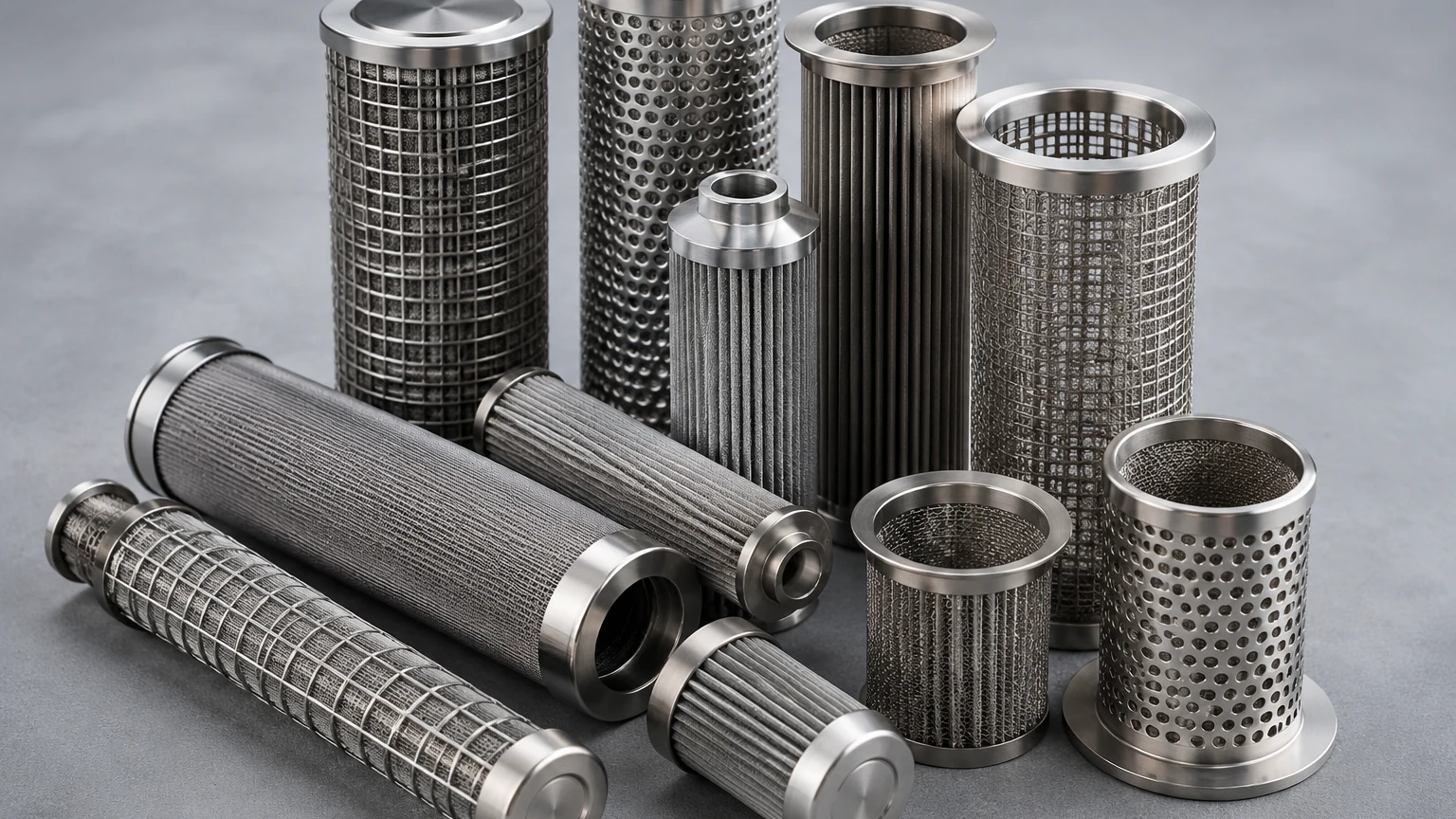
Inside the casing, there are often perforated baskets or core tubes that support the filter media. These are typically made of the same material as the casing to ensure uniform thermal expansion and chemical resistance across the entire unit.
Selecting the Right Casing for Your Application
For purchasing teams and engineers, the decision-making process involves balancing performance with the total cost of ownership. While a plastic casing might be cheaper initially, its shorter lifespan and lower pressure limits often make stainless steel a more cost-effective long-term investment.
Key questions to ask before finalizing a specification include:
* What is the maximum operating pressure and temperature?
* What is the chemical composition of the fluid, including trace impurities?
* Are there specific industry certifications required (e.g., 3-A Sanitary, ASME, PED)?
* How often will the casing be opened for maintenance or filter replacement?
By understanding exactly what is casing made of and how different materials react to industrial stressors, organizations can optimize their filtration processes. Manufacturers like Kaifil specialize in tailoring these material choices to the specific needs of the client, ensuring that the final product provides reliable service in even the most demanding environments. For more information on custom filtration components and material selection, you can visit the Main Page to explore engineering resources and product capabilities.
In conclusion, the material of a filter casing is the foundation of the entire filtration system. Whether it is the versatile 304 stainless steel or a highly specialized 316L alloy for pharmaceutical use, the choice must be grounded in factual engineering data and a clear understanding of the operational environment. Proper material selection ensures safety, efficiency, and a longer service life for industrial equipment.
