


Amico Expanded Metal
In the landscape of industrial materials, expanded metal stands as one of the most versatile and efficient solutions for filtration, structural support, and architectural design. For engineers and procurement professionals, the term "amico expanded metal" often serves as a primary reference point for quality and standardized specifications in the North American market. Understanding the technical nuances of expanded metal—ranging from manufacturing processes to material selection—is essential for ensuring the long-term performance of industrial systems.
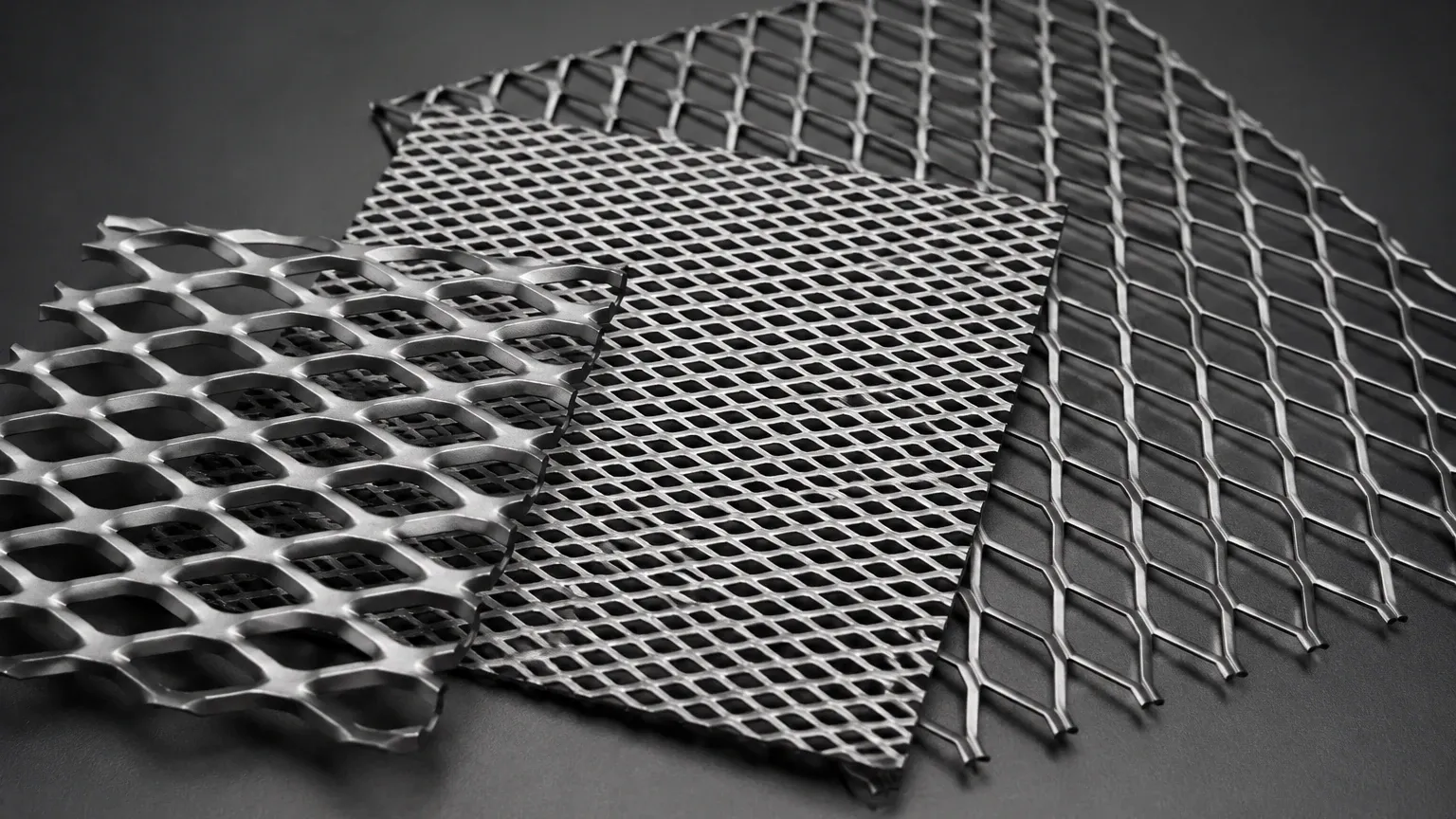
At its core, expanded metal is a form of metal stock that has been produced by slitting a solid sheet and then stretching it to create a diamond-shaped pattern. Unlike perforated metal, which involves punching holes and discarding the resulting "slugs," expanded metal is produced through a process that generates zero waste. This makes it an economically and environmentally efficient choice for high-volume industrial applications.
The Engineering Behind Expanded Metal Production
The production of expanded metal is a precision mechanical process. A solid metal sheet or coil is fed through an expanding machine, where a specialized knife slits and stretches the material in a single motion. The resulting mesh is a continuous piece of metal, without joins or welds, which contributes significantly to its structural integrity.
Because the strands and bonds of the diamond pattern are set at a uniform angle to the plane of the sheet, the material possesses an inherent rigidity. This geometry allows for excellent strength-to-weight ratios. For engineers, this means that a relatively light piece of expanded metal can support significant loads or withstand high pressures in filtration environments. When specifying Perforated & Expanded Metal, it is crucial to distinguish between the two primary forms: standard (raised) and flattened.
Standard (Raised) Expanded Metal
Standard expanded metal comes off the machine with the strands and bonds set at a sharp angle. This creates a three-dimensional surface that provides excellent slip resistance and a high degree of structural stiffness. In industrial filtration, raised expanded metal is often used as a primary screen where turbulence or high-flow surface area is required.
Flattened Expanded Metal
Flattened expanded metal is produced by passing the standard expanded sheet through a cold-roll reducing mill. This process flattens the strands and bonds into the same plane, resulting in a smooth, flat surface. Flattened metal is typically 5% to 10% thinner than the original base sheet. In the context of custom filtration solutions, flattened expanded metal is frequently used as a support layer for fine wire mesh, providing a smooth interface that prevents the delicate mesh from being damaged by sharp edges.
Technical Specifications and Terminology
When evaluating amico expanded metal or equivalent high-performance alternatives, engineers must use standardized terminology to ensure the product meets the application's requirements. The following parameters define the geometry of the mesh:
* SWD (Short Way of Diamond): The distance from the center of one bond to the center of the next bond measured across the short diamond diagonal.
* LWD (Long Way of Diamond): The distance from the center of one bond to the center of the next bond measured across the long diamond diagonal.
* SWO (Short Way of Opening): The actual width of the opening, measured from the inside of the bonds.
* LWO (Long Way of Opening): The actual length of the opening, measured from the inside of the bonds.
* Strand Width: The amount of metal fed into the machine between the slits.
* Strand Thickness: The gauge or thickness of the original base metal.
For filtration applications, the Open Area Percentage is perhaps the most critical metric. This determines the flow rate and pressure drop across the filter. A higher open area allows for greater throughput but may compromise the structural support of the filter media. Balancing these two factors is a key component of custom filter design.
Material Selection: The Case for Stainless Steel
While expanded metal can be produced from carbon steel, aluminum, or copper, stainless steel remains the gold standard for industrial filtration and demanding chemical environments. Stainless steel expanded metal offers superior corrosion resistance, high-temperature stability, and the ability to withstand rigorous cleaning cycles.
1. Grade 304 Stainless Steel: The most common grade, offering excellent corrosion resistance in a wide range of atmospheric and water-treatment environments. It is highly weldable and cost-effective for general industrial use.
2. Grade 316L Stainless Steel: Contains molybdenum, which provides enhanced resistance to pitting and crevice corrosion, particularly in chloride-rich environments. This is the preferred choice for pharmaceutical, marine, and chemical processing applications where hygiene and durability are paramount.
3. Specialty Alloys: For extreme environments, alloys like Monel or Inconel can be expanded to provide resistance to highly acidic or high-heat conditions.
Choosing the right material ensures that the expanded metal component does not become a point of failure due to oxidation or chemical degradation, which is a common risk in lower-tier industrial components.
Applications in Industrial Filtration
Expanded metal is a foundational component in the construction of industrial filters. Its role is often both functional and structural. In many high-pressure systems, fine wire mesh is too delicate to withstand the force of the fluid flow on its own. Expanded metal provides the necessary reinforcement.
Filter Cartridge Support
In stainless steel filter cartridges, a cylinder of expanded metal often serves as the inner core or the outer protective wrap. The rigidity of the expanded metal prevents the filter media from collapsing or bursting under differential pressure. Because it is a single piece of metal, there are no wires to come loose or welds to fail, ensuring that no metallic contaminants are introduced into the process stream.
Pre-Filtration and Debris Removal
In water treatment and HVAC systems, expanded metal is used as a pre-filter to capture large particulates before they reach more expensive, high-precision filter elements. The diamond pattern is effective at catching fibrous materials and large debris while maintaining a high flow rate.
Flame and Spark Arrestors
The thermal conductivity of stainless steel expanded metal makes it an ideal material for flame and spark arrestors in exhaust systems. The mesh dissipates heat rapidly and provides a physical barrier to sparks without significantly obstructing airflow.
Evaluating Quality: Beyond the Brand Name
While "amico expanded metal" is a recognized industry standard, procurement teams should evaluate any supplier based on technical performance and manufacturing tolerances. When sourcing Perforated & Expanded Metal, engineers should confirm the following:
* Dimensional Accuracy: Are the SWD and LWD measurements consistent across the entire sheet? Inconsistencies can lead to uneven flow distribution in filtration systems.
* Edge Quality: For filtration applications, burr-free edges are essential. Sharp burrs can puncture fine mesh layers or create safety hazards during installation and maintenance.
* Flatness: For flattened expanded metal, the sheet must be free from "camber" (a bow in the sheet) to ensure it can be properly rolled into cylinders or fitted into frames.
* Material Certification: Reliable manufacturers provide Mill Test Reports (MTRs) to verify the chemical composition of the stainless steel, ensuring it meets ASTM or ISO standards.
Customization and OEM Considerations
Off-the-shelf expanded metal products may not always meet the specific needs of specialized industrial equipment. OEM manufacturers often require custom dimensions, unique diamond patterns, or specific strand widths to optimize the performance of their filtration systems.
Customization allows for the optimization of the "weight vs. open area" trade-off. For example, in aerospace or mobile hydraulic applications, reducing the weight of the filter assembly while maintaining structural integrity can lead to significant fuel savings and efficiency gains. Working with a manufacturer that understands the engineering requirements of filtration allows for the development of bespoke components that standard distributors cannot provide.
Maintenance and Replacement Cycles
The lifespan of expanded metal components depends largely on the operating environment. In non-corrosive environments, stainless steel expanded metal can last for decades. However, in filtration applications, the mesh may eventually become blinded by particulates or suffer from erosion due to high-velocity fluid flow.
Regular inspection should focus on:
* Structural Deformation: Checking for any signs of bowing or collapse in filter cores.
* Corrosion Pitting: Identifying localized corrosion that could lead to structural failure.
* Cleaning Compatibility: Ensuring that the cleaning agents used (such as ultrasonic baths or high-pressure steam) do not damage the mesh structure.
When a replacement is necessary, it is vital to match the original specifications exactly. Even a small change in strand width or diamond size can alter the pressure drop of a system, potentially leading to pump strain or reduced filtration efficiency.
Conclusion: Selecting the Right Solution
Whether you are specifying amico expanded metal for a structural project or seeking a custom stainless steel solution for a complex filtration system, the technical fundamentals remain the same. The choice of expanded metal should be driven by a clear understanding of the mechanical loads, environmental conditions, and flow requirements of the application.
By focusing on material purity, manufacturing precision, and the specific advantages of the expanded metal geometry, engineers can ensure they are implementing a solution that offers both durability and cost-effectiveness. For those in the industrial sector, moving beyond generic specifications to a detailed technical evaluation is the key to optimizing system performance and minimizing the total cost of ownership.
