


Embossed Perforated Metal
In industrial engineering and architectural design, the requirement for materials that combine structural integrity with specific surface characteristics is paramount. Embossed perforated metal represents a specialized category within the broader field of Perforated & Expanded Metal, offering a unique combination of open-area functionality and raised surface profiles. Unlike standard flat perforated sheets, embossed variants undergo secondary processing to create three-dimensional textures that serve critical mechanical and safety purposes.
For engineers and procurement professionals, selecting the right embossed perforated metal involves understanding the interplay between material science, perforation patterns, and the geometric influence of the embossing process. This guide examines the technical specifications, performance benefits, and industrial applications of these versatile components.
Understanding Embossed Perforated Metal in Industrial Design
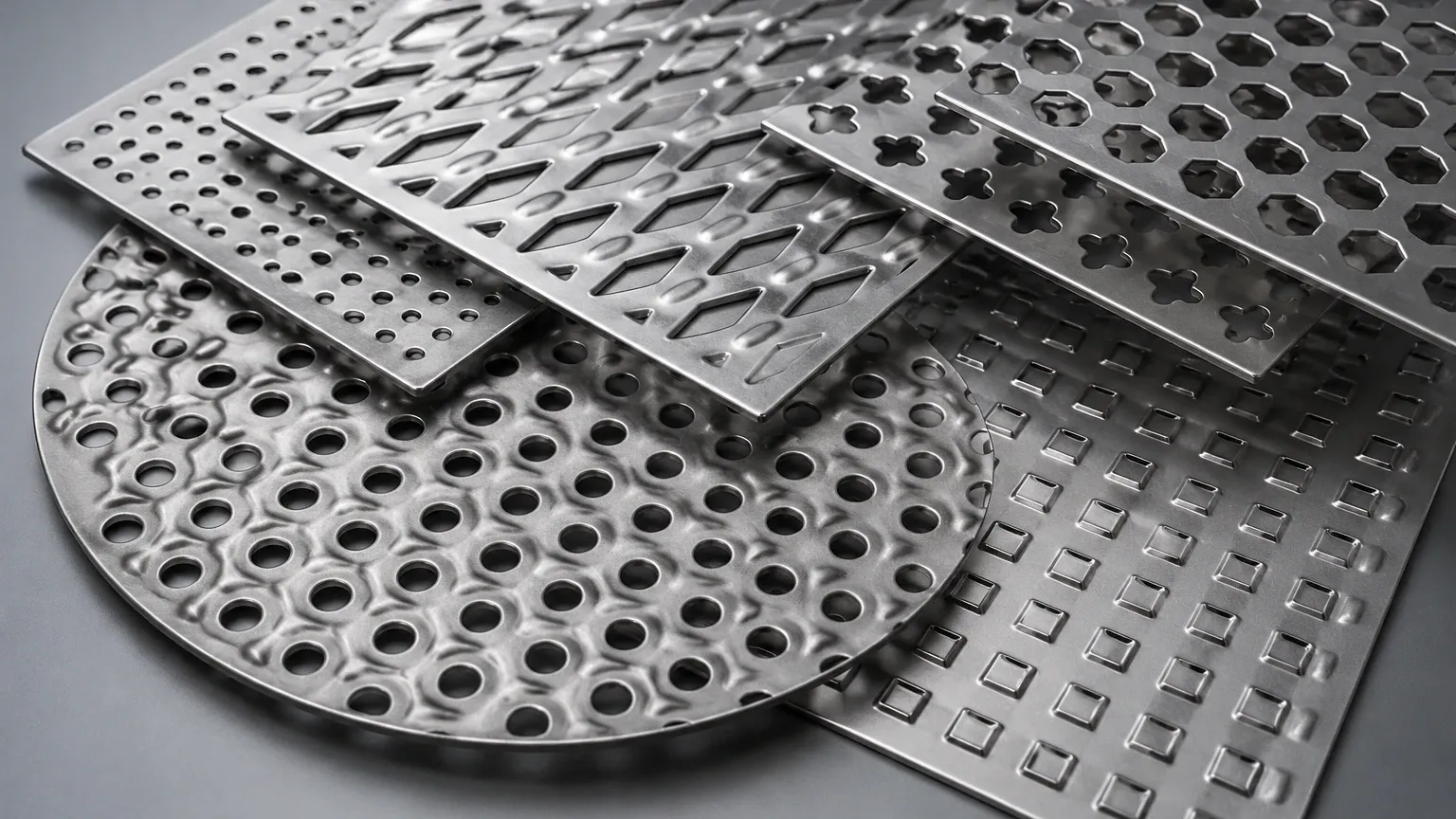
Embossed perforated metal is produced by taking a standard perforated sheet and subjecting it to a molding or stamping process that raises specific portions of the metal surface. This creates a textured profile that can take various forms, such as dimples, diamonds, stars, or custom ridges. The primary objective is often to increase the coefficient of friction on the surface or to enhance the structural rigidity of a thin-gauge sheet without adding significant weight.
From a manufacturing perspective, the process requires high-precision tooling to ensure that the embossing does not compromise the integrity of the existing perforations. At Kaifil, the focus is on maintaining tight tolerances during both the punching and the embossing stages. This ensures that the filtration accuracy or airflow characteristics provided by the perforations remain consistent even after the metal has been deformed into a three-dimensional shape.
The Relationship Between Perforation and Embossing
While standard perforated metal focuses on the "open area" percentage—the ratio of holes to solid metal—embossed perforated metal introduces a third dimension: height. This height affects how fluids, air, and solid particles interact with the surface. In many industrial settings, the embossing is designed to lift the primary contact surface away from the drainage or filtration holes, preventing clogging and ensuring continuous flow even under heavy loading.
Key Technical Specifications and Material Selection
The performance of embossed perforated metal is heavily dependent on the base material and the specific dimensions of the profile. Engineers must evaluate several variables to ensure the component meets the demands of the application environment.
Material Options
1. Stainless Steel (304, 316, 316L): The preferred choice for chemical processing, food and beverage, and pharmaceutical industries. Stainless steel offers superior corrosion resistance and can withstand the mechanical stresses of the embossing process without cracking.
2. Aluminum: Valued for its high strength-to-weight ratio and natural corrosion resistance. It is frequently used in architectural applications and lightweight transport equipment.
3. Carbon Steel: Often used in heavy industrial flooring or structural components where cost-efficiency is a priority and environmental exposure is managed through coatings or galvanization.
Geometric Parameters
* Gauge Thickness: Typically ranges from 0.5mm to 5mm, depending on the material and the required height of the embossment.
* Hole Pattern: Common patterns include round, square, or slotted holes. The pitch (distance between hole centers) must be calculated to accommodate the displacement of metal during embossing.
* Embossing Height: The vertical distance the metal is raised from the base plane. This is critical for slip resistance and structural stiffening.
* Open Area Percentage: This remains a vital metric for applications involving airflow or liquid filtration. Embossing can slightly alter the effective open area depending on the angle of incidence of the flow.
Performance Advantages: Traction, Rigidity, and Drainage
The integration of embossed textures into perforated metal provides several distinct mechanical advantages over flat alternatives. These benefits make it a staple in safety-critical and high-performance industrial environments.
Enhanced Slip Resistance
One of the most common uses for embossed perforated metal is in safety flooring, walkways, and stair treads. The raised patterns provide multi-directional traction, which is essential in environments where oil, water, or chemical spills are frequent. By combining these raised grips with perforations, the material allows liquids to drain away immediately, keeping the contact surface as dry and safe as possible.
Increased Structural Rigidity
Embossing acts as a form of structural reinforcement. The three-dimensional profile increases the moment of inertia of the sheet, making it significantly more resistant to bending and deflection than a flat sheet of the same gauge. This allows engineers to specify thinner, lighter materials for structural panels or filter supports, leading to total cost savings in material and shipping without sacrificing strength.
Optimized Fluid Dynamics and Drainage
In filtration and processing applications, the raised surface of embossed metal prevents flat-surfaced materials (such as filter cakes or food products) from sealing off the perforations. This "stand-off" effect ensures that drainage remains efficient across the entire surface area. In acoustic applications, the textured surface can also help diffuse sound waves more effectively than a flat perforated panel.
Critical Applications Across Industrial Sectors
Because of its dual-function nature, embossed perforated metal is utilized across a broad spectrum of industries. Its ability to be customized for specific filtration or structural needs makes it an essential component in modern engineering.
Food and Beverage Processing
In the food industry, hygiene and drainage are paramount. Embossed perforated metal is used in sorting trays, drying racks, and conveyor systems. The raised dimples prevent food products from sticking to the metal surface, while the perforations allow for rapid steam or air circulation. Using 316L stainless steel ensures that these components can withstand rigorous CIP (Clean-in-Place) cycles and acidic food environments.
Chemical and Petrochemical Industries
Safety is the primary driver in these sectors. Embossed metal is used for cat-walks, platform flooring, and protective guards. The material must resist aggressive chemical vapors while providing a secure footing for technicians. Furthermore, in chemical filtration, embossed sheets serve as high-strength support cores for finer wire mesh filters, providing the necessary pressure resistance.
Architectural and Acoustic Solutions
Beyond industrial utility, the aesthetic appeal of embossed patterns is used in building facades, ceiling panels, and interior partitions. The perforations provide transparency and airflow, while the embossing adds visual depth and enhances the acoustic dampening properties of the panels by breaking up sound reflections.
Automotive and Transportation
In the automotive sector, embossed perforated metal is found in heat shields, engine covers, and specialized flooring for heavy-duty vehicles. The embossing helps manage thermal expansion and provides additional stiffness to components subjected to high-vibration environments.
Engineering Considerations for Custom Fabrication
When sourcing embossed perforated metal, it is not enough to simply select a catalog item. Customization is often required to meet the specific mechanical loads and environmental conditions of a project. At Kaifil, we work closely with engineering teams to navigate these design challenges.
Tooling and Precision
The embossing process involves significant cold-working of the metal. This can lead to work-hardening, which increases the strength of the material but can also make it more brittle. Precision tooling is required to ensure that the edges of the perforations do not develop micro-cracks during the embossing phase. For high-cycle applications or those under high pressure, this structural integrity is non-negotiable.
Edge Treatments and Finishing
Custom panels often require specific margins—areas around the edges without perforations or embossing—to facilitate welding or mechanical fastening. Furthermore, post-fabrication treatments such as passivation for stainless steel or powder coating for carbon steel are essential to ensure long-term durability. Passivation, in particular, is critical for removing surface contaminants introduced during the tooling process, thereby restoring the protective chromium oxide layer of the stainless steel.
Load-Bearing Calculations
Engineers must calculate the span-to-weight ratio for embossed panels used in flooring or structural support. While the embossing increases rigidity, the perforations reduce the total cross-sectional area of the metal. A detailed analysis of the expected point loads and distributed loads is necessary to determine the appropriate gauge and material grade.
Maintenance and Durability in Demanding Environments
The total cost of ownership for industrial components is heavily influenced by their maintenance requirements and service life. Embossed perforated metal is designed for longevity, but proper selection and care are required to maximize its utility.
Cleaning and Hygiene
In hygienic applications like pharmaceuticals or food processing, the transition areas between the raised embossment and the flat sheet must be designed to avoid "dead zones" where bacteria or debris can accumulate. Selecting a profile with smooth, radiused transitions rather than sharp angles facilitates easier cleaning. Stainless steel variants are highly resistant to the caustic chemicals used in industrial cleaning, ensuring the surface remains smooth and non-porous over years of use.
Corrosion Management
In marine or high-humidity environments, even stainless steel can suffer from pitting if not properly maintained. Regular rinsing to remove salt deposits and the use of high-molybdenum alloys like 316L can significantly extend the life of embossed perforated metal components. For carbon steel applications, maintaining the integrity of the galvanized or painted coating is the primary maintenance task.
Conclusion: Selecting the Right Partner for Filtration and Structural Needs
Embossed perforated metal is more than just a textured sheet; it is a precision-engineered solution for complex industrial challenges. Whether the goal is to improve worker safety through superior traction, enhance the efficiency of a filtration system, or provide structural support in a lightweight package, the technical details matter.
As a specialist in Perforated & Expanded Metal, Kaifil provides the engineering expertise and manufacturing precision required to deliver high-performance components. By focusing on material quality, customization, and technical accuracy, we help our global partners achieve reliable and cost-effective results in their most demanding applications. When evaluating your next project involving embossed perforated metal, consider the long-term benefits of a solution tailored to your specific mechanical and environmental requirements.
