


Expanded Metal 2015
In the realm of industrial material science and filtration engineering, the specifications surrounding expanded metal products are critical for ensuring structural integrity and performance efficiency. The term "expanded metal 2015" often refers to the industry-standard benchmarks and technical specifications, such as those outlined in ASTM F1267-15, which govern the manufacturing and application of these materials. For engineers and procurement specialists, understanding these standards is essential when selecting Perforated & Expanded Metal for demanding industrial environments.
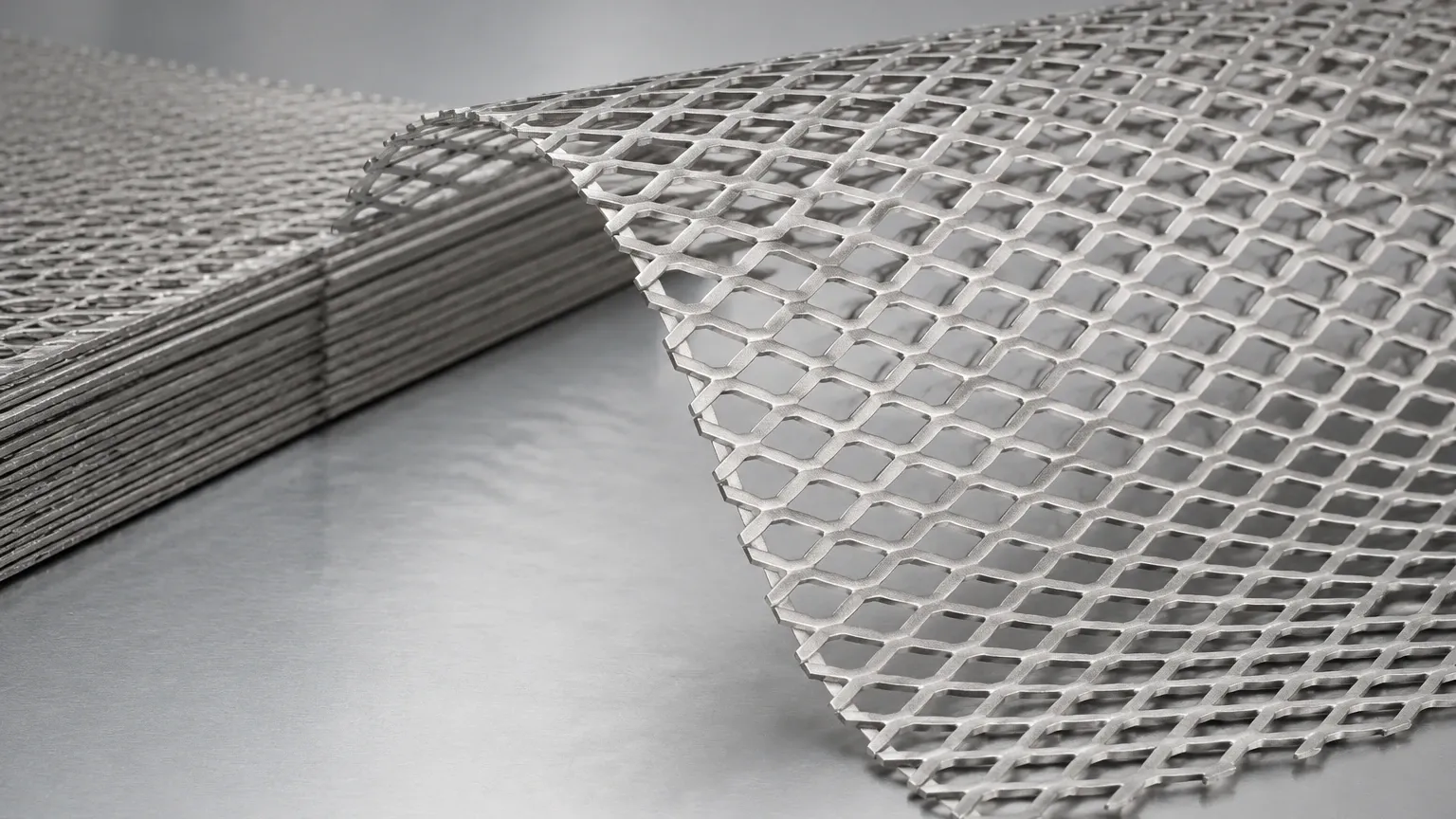
Expanded metal is a unique material produced by simultaneously slitting and stretching a solid sheet of metal. This process creates a diamond-shaped pattern of openings, resulting in a product that is stronger, lighter, and more rigid than the original base sheet. Unlike woven wire mesh, expanded metal is a single piece of material with no joins or welds, which eliminates the risk of unraveling and provides superior structural stability.
Technical Standards and Specifications
The 2015 revisions to industrial standards for expanded metal focused on refining the classifications and tolerances required for high-precision applications. These standards typically categorize expanded metal into distinct types and classes, which dictate how the material behaves under stress and in corrosive environments.
Types of Expanded Metal
- Type I (Expanded): This is the standard or "raised" expanded metal as it comes off the machine. The strands and bonds are set at a uniform angle to the plane of the sheet, providing a three-dimensional surface that offers excellent grip and high strength-to-weight ratios.
- Type II (Flattened): This material undergoes an additional cold-rolling process that flattens the strands and bonds into the same plane as the sheet. Flattened expanded metal is often preferred for filtration applications where a smooth surface is required to prevent the accumulation of debris or to facilitate easier cleaning.
Classes and Grades
Standards such as ASTM F1267-15 also define classes based on the material's finish and corrosion resistance. For industrial filtration, Class 3 (corrosion-resisting steel) is frequently specified. This usually involves stainless steel grades like 304 or 316L, which are essential for applications in chemical processing, pharmaceuticals, and food production.
Engineering Considerations for Filtration
When integrating expanded metal into filtration systems, engineers must evaluate several geometric and mechanical properties. The performance of a filter cartridge or support structure depends heavily on the precision of the expansion process.
Open Area and Flow Rates
The "open area" percentage is a primary metric for filtration efficiency. It determines the volume of fluid or gas that can pass through the medium at a given pressure. In expanded metal, the open area is controlled by the Long Way of Design (LWD) and Short Way of Design (SWD), as well as the strand width. Precise control over these dimensions allows manufacturers like Kaifil to tailor the material to specific flow requirements, ensuring that the filter does not cause excessive pressure drops within the system.
Structural Rigidity
One of the primary advantages of using expanded metal in industrial filters is its inherent rigidity. In high-pressure hydraulic or water treatment systems, filter media are subjected to significant mechanical stress. Expanded metal serves as an ideal support core or outer protective wrap for finer wire mesh layers. It prevents the delicate mesh from collapsing or deforming under the force of the flow, thereby extending the service life of the entire filtration assembly.
Material Selection: The Role of Stainless Steel
The durability of expanded metal 2015 compliant products is largely determined by the base alloy. In the B2B industrial sector, stainless steel remains the gold standard due to its mechanical properties and chemical stability.
1. Stainless Steel 304: Suitable for general industrial use, offering good corrosion resistance and excellent formability. It is commonly used in food and beverage applications where sanitation is a priority.
2. Stainless Steel 316L: Containing molybdenum, this grade provides superior resistance to chlorides and pitting. It is the preferred choice for marine environments, pharmaceutical manufacturing, and aggressive chemical processing.
3. Specialty Alloys: For extreme temperatures or highly acidic environments, alloys such as Monel or Inconel can be expanded to meet specific technical requirements.
Selecting the correct material ensures that the expanded metal does not introduce contaminants into the process stream through oxidation or chemical degradation, which is a critical concern in high-purity industries.
Manufacturing Precision and Customization
Modern industrial applications rarely rely on off-the-shelf solutions. Customization is a core requirement for engineers designing specialized equipment. The manufacturing of Perforated & Expanded Metal involves several variables that must be tightly controlled to meet the expectations of the 2015 standards.
Dimensional Tolerances
Precision in the LWD and SWD measurements is vital for ensuring that the expanded metal fits perfectly within a filter housing or assembly. Inaccurate dimensions can lead to bypass—where unfiltered fluid escapes around the edges of the filter—or mechanical failure due to poor fitment. Advanced CNC expansion machinery allows for tight tolerances, ensuring consistency across large production runs.
Edge Finishing and Safety
In many industrial settings, the sharp edges of expanded metal can pose a safety risk or damage other components of a filtration system. Custom manufacturing options include deburring, edge-trimming, or the addition of solid borders (U-edging) to improve handling safety and structural integration. For filter cartridges, the bond areas must be cleanly cut to allow for seamless welding or crimping to end caps.
Applications in Industrial Filtration
The versatility of expanded metal allows it to function across a wide spectrum of industrial sectors. Its role is often dual-purpose: providing both filtration and mechanical protection.
Chemical and Petrochemical Processing
In these environments, expanded metal is used to create robust strainers and baskets that can withstand aggressive solvents and high temperatures. Its one-piece construction is particularly valued here because it lacks the crevices found in woven materials where corrosive agents can collect and initiate stress corrosion cracking.
Food and Beverage Industry
Hygiene is paramount in food processing. Expanded metal components, particularly those made from Type II flattened stainless steel, are easy to clean and sanitize. They are used in drainage systems, sorting screens, and as support structures in large-scale liquid filtration units.
Hydraulic and Lubrication Systems
High-pressure hydraulic systems require filters that can handle rapid surges in pressure. Expanded metal cores provide the necessary burst strength to protect the finer filter media, ensuring that the system remains free of particulate matter that could cause component wear or failure.
Evaluating Total Cost of Ownership
When purchasing expanded metal for industrial projects, procurement teams should look beyond the initial unit price and consider the total cost of ownership (TCO). Several factors influence the long-term value of the material:
- Durability and Replacement Cycles: High-quality expanded metal that adheres to 2015 standards will typically outlast cheaper, non-compliant alternatives. This reduces the frequency of maintenance shutdowns and replacement costs.
- Efficiency Gains: Properly engineered open areas reduce energy consumption by minimizing the work required for pumps to move fluid through the filter.
- Waste Reduction: Because expanded metal is produced by stretching rather than punching (as in perforated metal), there is significantly less scrap material generated during manufacturing. This efficiency can often be reflected in more competitive pricing for large-scale projects.
Conclusion and Technical Verification
Before finalizing a purchase or specifying expanded metal for a new engineering project, it is essential to confirm that the supplier can provide the necessary documentation and quality assurance. This includes material mill reports, certificates of compliance with standards like ASTM F1267-15, and detailed technical drawings.
Engineers should ask specific questions regarding the expansion ratio, the strand thickness relative to the original sheet, and the specific finishing processes used. By focusing on these technical details, industrial professionals can ensure they are selecting a product that provides the reliability and performance required for modern industrial filtration and structural applications. Whether used as a primary filter or a support component, the precision of Perforated & Expanded Metal remains a cornerstone of efficient industrial design.
