


Expanded Metal Decking
In industrial engineering and facility design, the selection of flooring and walkway materials is a critical decision that impacts safety, structural integrity, and long-term operational costs. Expanded metal decking has emerged as a primary solution for demanding environments, offering a unique combination of high strength-to-weight ratios, exceptional slip resistance, and cost-efficiency. Unlike traditional solid plates or heavy gratings, expanded metal is manufactured through a specialized process that maximizes material utility while providing specific functional benefits such as light transmission and fluid drainage.
For technical professionals and procurement teams, understanding the nuances of expanded metal—and how it compares to other options like perforated metal—is essential for optimizing industrial infrastructure. This guide explores the engineering characteristics, selection criteria, and practical applications of expanded metal decking within modern industrial frameworks.
The Manufacturing Process and Structural Integrity
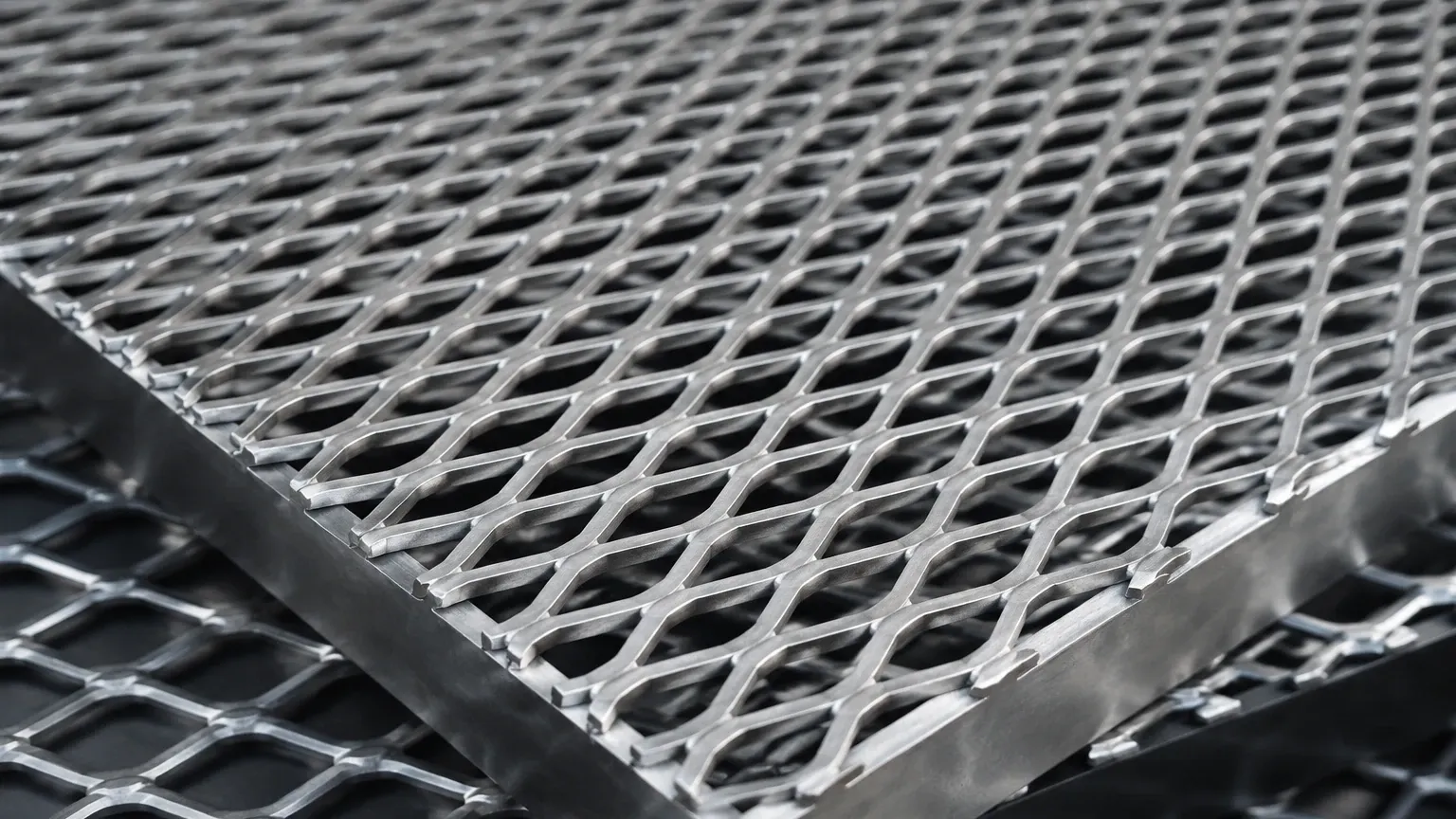
To understand the performance of expanded metal decking, one must first look at its manufacturing process. Unlike perforated metal, which is created by punching holes and removing material, expanded metal is produced by simultaneously slitting and stretching a single sheet of metal. This process creates a series of diamond-shaped openings connected by integral strands.
Because the metal is stretched rather than punched, there is zero material waste. Furthermore, the strands and bonds (the points where the strands intersect) are set at a uniform angle to the plane of the sheet. This creates a "truss-like" structure where each strand acts as a structural member, distributing loads across the entire panel. For decking applications, this geometry is particularly advantageous because it provides inherent rigidity without the weight of a solid plate.
Raised vs. Flattened Expanded Metal
When specifying expanded metal for decking, engineers must choose between "raised" and "flattened" varieties:
1. Raised Expanded Metal: Also known as standard expanded metal, this version retains the natural angularity of the strands. In decking, this is the preferred choice because the angled strands provide aggressive multi-directional slip resistance, which is vital in environments where oil, water, or debris may be present on the floor.
2. Flattened Expanded Metal: This is produced by passing the raised sheet through a cold-rolling mill. While it provides a smooth, flat surface, it loses much of the mechanical grip provided by the raised strands. Flattened mesh is more commonly used for partitions or machine guards rather than heavy-duty decking.
Engineering Advantages of Expanded Metal Decking
Industrial facilities, particularly those in the chemical processing, pharmaceutical, and food and beverage sectors, require flooring that can withstand harsh conditions. Expanded metal decking offers several distinct engineering advantages:
1. High Strength-to-Weight Ratio
Because the material is expanded rather than assembled from separate pieces (like bar grating), there are no welds to fail or joints to loosen. The continuous structure allows for high load-bearing capacity while remaining significantly lighter than solid steel plate. This reduction in weight lowers the dead load on the supporting structure, potentially reducing the cost of the entire sub-frame.
2. Superior Drainage and Airflow
The open area of the diamond mesh allows for the immediate passage of liquids, dust, and small debris. In facilities with frequent wash-downs or those handling bulk solids, this prevents the accumulation of hazardous materials on walking surfaces. Additionally, the open design facilitates airflow, which is critical for temperature regulation and the dissipation of fumes in chemical processing plants.
3. Light and Sound Permeability
In multi-level industrial structures, expanded metal decking allows light to pass through to lower levels, improving visibility and safety without the need for excessive supplemental lighting. It also prevents the "echo-chamber" effect often found with solid flooring, contributing to a better acoustic environment for workers.
Comparing Perforated & Expanded Metal for Decking
When evaluating materials for industrial platforms, engineers often compare Perforated & Expanded Metal to determine which is better suited for the specific application. While both provide open areas and structural utility, their performance profiles differ significantly.
Perforated metal offers precise control over hole size and shape (round, square, or slotted), which is often necessary for specific filtration or sorting applications. However, for decking, perforated metal is typically more expensive due to the scrap generated during the punching process. Furthermore, perforated metal is a flat-plane material; it does not inherently provide the 3D slip-resistant surface that raised expanded metal offers.
In contrast, expanded metal decking is generally more cost-effective for large-scale flooring projects. The expansion process increases the overall area of the original sheet by up to 30% or more, depending on the mesh size, providing more coverage per pound of raw material. For industrial walkways where traction and cost-per-square-foot are the primary drivers, expanded metal is usually the superior choice.
Load-Bearing Considerations and Selection Criteria
Specifying the correct expanded metal decking requires a detailed analysis of the expected load. Industrial decking is typically rated by "pounds per square foot" (PSF). Engineers must consider both static loads (equipment weight) and dynamic loads (pedestrian traffic, rolling carts).
Key variables in selection include:
* Material Grade: Stainless steel (304 or 316L) is the standard for corrosive environments, such as chemical plants or offshore platforms, due to its exceptional resistance to oxidation and chemical attack. Carbon steel and aluminum are also options for less demanding settings.
* Strand Thickness and Width: Thicker strands increase the load-bearing capacity but also increase the weight and cost. The "bond" width also plays a role in the overall stiffness of the panel.
* SWD and LWD: These refer to the "Short Way of Design" and "Long Way of Design" of the diamond openings. The orientation of these dimensions relative to the support beams is critical; for maximum strength, the LWD should typically run perpendicular to the support members.
* Percent Open Area: This determines how much light and air can pass through. A higher open area percentage usually means lower weight but also lower load capacity.
Applications in Industrial Filtration and Infrastructure
While expanded metal is a staple of general industrial flooring, it plays a specialized role in filtration and processing environments—areas where Kaifil’s expertise in precision metal components is particularly relevant. In large-scale filtration systems, expanded metal decking often serves as the structural support for finer filter media.
For example, in deep-bed filtration or large-scale hydraulic systems, the filter cartridges or mesh screens require a rigid base that can withstand high pressure without obstructing the flow of the filtrate. Custom-fabricated expanded metal platforms provide the necessary structural backing for these filtration components, ensuring that the media remains flat and functional under operational stress.
Beyond filtration support, common applications include:
* Mezzanine Flooring: Creating additional storage or workspace within an existing facility footprint.
* Catwalks and Walkways: Providing safe access to elevated machinery, valves, and inspection points.
* Stair Treads: Utilizing the raised diamond pattern to ensure safe footing on industrial staircases.
* Safety Guards: Using smaller mesh sizes to prevent personnel from coming into contact with moving parts while maintaining visibility.
Installation and Maintenance Best Practices
To ensure the longevity of expanded metal decking, proper installation is paramount. Panels are typically secured to the structural frame using welding, heavy-duty clips, or specialized bolting systems. Welding provides the most rigid connection but may require post-weld treatment in stainless steel applications to prevent localized corrosion.
Maintenance requirements for stainless steel expanded metal are minimal, which is a major factor in its total cost of ownership. In the food and pharmaceutical industries, the primary maintenance task is regular cleaning. The open structure of the mesh facilitates high-pressure washing and steam cleaning, ensuring that no biological contaminants are trapped in the flooring.
Engineers should conduct periodic inspections to check for:
1. Mechanical Damage: Impact from dropped heavy equipment can deform the strands, compromising the load rating of that specific section.
2. Corrosion at Attachment Points: Even if the mesh is stainless steel, the fasteners or welds may be susceptible to galvanic corrosion if dissimilar metals are used.
3. Structural Deflection: Over time, if the decking is subjected to loads exceeding its design capacity, it may show signs of permanent sagging, indicating a need for replacement or additional structural support.
Conclusion
Expanded metal decking represents a highly engineered solution for industrial flooring, balancing the needs for safety, durability, and cost-efficiency. By leveraging the unique structural properties of the expanded metal process, facilities can implement walkways and platforms that offer superior traction and drainage compared to solid alternatives.
When selecting a partner for these components, it is vital to work with manufacturers who understand the technical requirements of industrial environments. Whether the application involves standard walkway grating or specialized support for filtration systems, the precision of the manufacturing process determines the reliability of the final installation. For those looking to explore specific material grades and mesh configurations, it is recommended to Review product options and application support to ensure the selected solution meets the rigorous demands of the project.
