


Expanded Metal Guarding
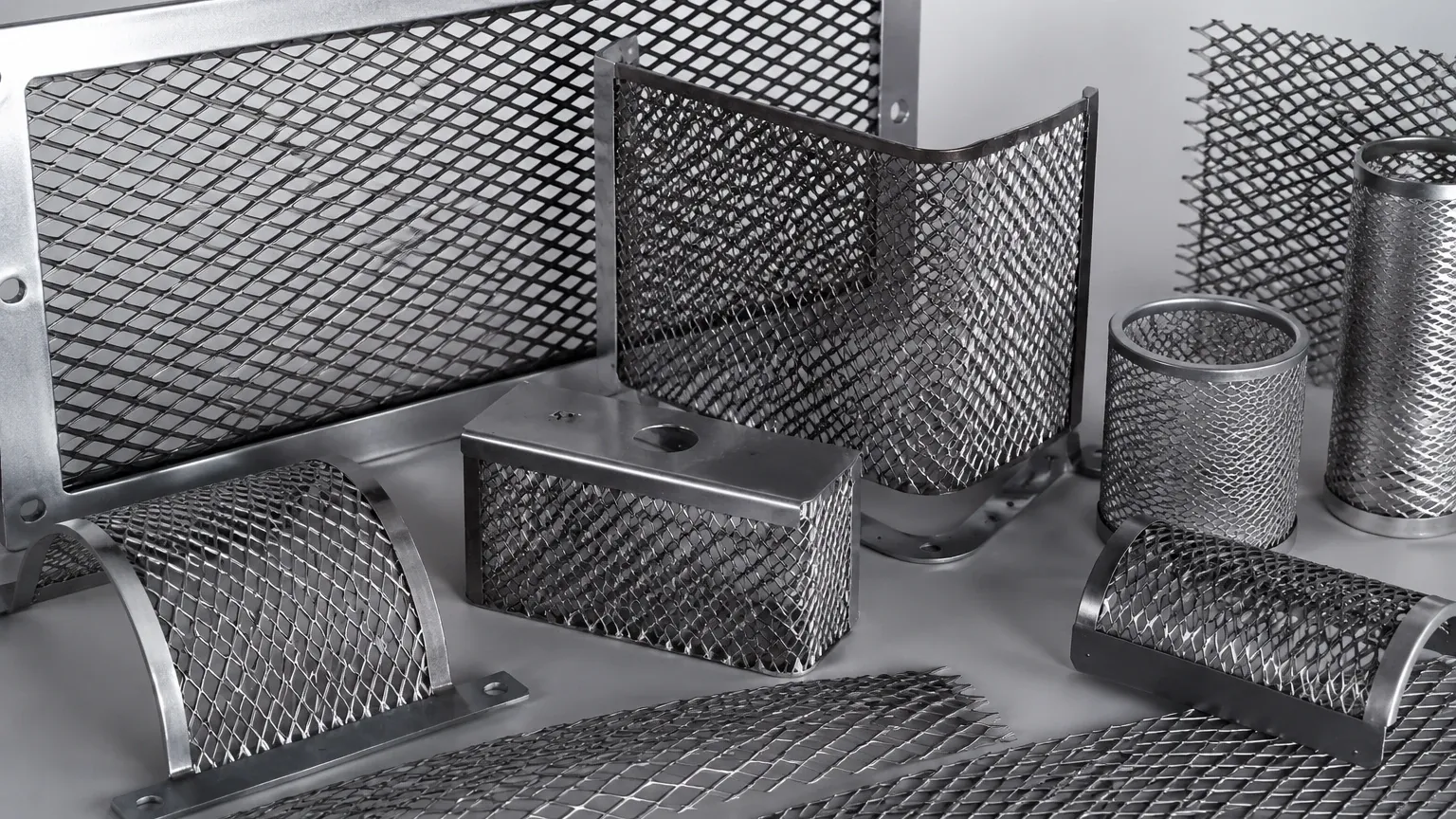
In industrial environments, the integrity of machinery and the safety of personnel often depend on the robust implementation of physical barriers. Expanded metal guarding serves as a critical component in these safety systems, offering a unique combination of structural strength, visibility, and ventilation. Unlike woven wire or welded mesh, expanded metal is manufactured through a process of slitting and stretching a single solid sheet of metal, resulting in a continuous, joint-less structure that provides superior durability in demanding B2B applications.
For engineers and procurement professionals, selecting the right Perforated & Expanded Metal requires a deep understanding of material properties, mechanical tolerances, and the specific environmental stressors of the application site. Whether utilized in chemical processing plants, food and beverage facilities, or hydraulic systems, the choice of guarding material directly impacts the longevity of the equipment and the overall safety of the operation.
The Manufacturing Process and Structural Integrity
The fundamental advantage of expanded metal guarding lies in its manufacturing process. A solid metal plate—typically stainless steel, carbon steel, or aluminum—is fed through a machine that simultaneously slits and expands the material. This process creates diamond-shaped openings without any waste of material, making it a highly cost-effective solution compared to perforated metal, which involves punching out and discarding material.
Because the metal is stretched rather than woven or welded, the resulting mesh is composed of interconnected strands that are part of the same original sheet. This lack of joints or welds means that the material cannot unravel under stress and is less prone to fatigue failure at connection points. For industrial guarding, this structural continuity is essential. It ensures that even if a single strand is cut or damaged, the surrounding structure remains intact, maintaining the barrier's protective function.
Technical Specifications for Engineering Selection
When specifying expanded metal guarding for industrial projects, engineers must define several key parameters to ensure the product meets the required performance standards. These specifications determine the mesh's strength, weight, and open area.
SWD and LWD (Short Way of Design and Long Way of Design)
These terms refer to the dimensions of the diamond-shaped openings. The SWD is the distance from the center of one bond to the center of the next bond across the short axis of the diamond. The LWD is the corresponding measurement across the long axis. These dimensions are critical for determining the size of objects that the guard can successfully exclude.
Strand Width and Thickness
The strand width refers to the amount of metal fed into the dies during the expansion process, while the thickness refers to the gauge of the original metal sheet. Increasing either of these parameters significantly enhances the rigidity and impact resistance of the guard. In heavy-duty machine guarding, thicker strands are preferred to withstand potential mechanical impacts or high-pressure environments.
Flattened vs. Raised (Standard) Expanded Metal
Expanded metal is produced in two primary forms: raised and flattened.
- Raised Expanded Metal: This is the standard form as it comes off the machine. The strands are set at a sharp angle to the plane of the sheet, providing maximum rigidity and a slip-resistant surface. It is often used in walkways or high-strength filtration supports.
- Flattened Expanded Metal: The raised mesh is passed through a cold-rolling mill, which flattens the strands into the same plane as the original sheet. This results in a smooth, flat surface that is safer for personnel to handle and easier to clean, making it the preferred choice for safety guards where skin contact may occur.
Material Considerations: Stainless Steel vs. Alternatives
In high-performance industrial sectors, material selection is dictated by the chemical and thermal environment. While carbon steel is suitable for dry, non-corrosive environments, stainless steel is the gold standard for most B2B filtration and guarding applications.
304 Stainless Steel
Grade 304 offers excellent corrosion resistance and is suitable for most general industrial applications. It is widely used in machine guarding for the food and beverage industry due to its ability to withstand frequent wash-downs with mild detergents.
316/316L Stainless Steel
For more aggressive environments, such as chemical processing or marine applications, 316 stainless steel is required. The addition of molybdenum provides enhanced resistance to pitting and crevice corrosion, particularly in chloride-rich environments. For guarding that requires extensive welding during installation, 316L (low carbon) is often specified to prevent sensitization and maintain corrosion resistance in the heat-affected zones of the welds.
Applications in Filtration and Equipment Protection
While expanded metal guarding is often associated with personnel safety, it plays a vital role in industrial filtration systems. In these contexts, the expanded metal acts as a secondary support structure or a primary coarse filter.
1. Filter Media Support: In high-pressure hydraulic or water treatment systems, fine filter mesh lacks the structural integrity to withstand fluid forces. Expanded metal cylinders or sheets are used as a rigid core or outer wrap to support the delicate filtration layers, preventing collapse or deformation under pressure.
2. Pump Suction Strainers: Expanded metal guards are installed at the intake of pumps to prevent large debris from entering the system. This protects internal components like impellers and seals from mechanical damage.
3. Ventilation and Heat Dissipation: Industrial electronics and motors require constant airflow for cooling. Expanded metal provides a high percentage of open area (often between 40% and 70%), allowing for efficient heat dissipation while preventing fingers or tools from contacting live electrical components or rotating parts.
Engineering Calculations: Open Area and Flow Rates
For engineers designing filtration or ventilation systems, the "percentage of open area" is a critical calculation. This value determines the pressure drop across the guard and the volume of fluid or air that can pass through the barrier. Unlike perforated metal, where the open area is easily calculated by the ratio of hole area to total area, expanded metal calculations must account for the angle of the strands in raised mesh.
In many cases, choosing a larger LWD/SWD configuration increases the open area and reduces the weight of the guard, but it also reduces the structural rigidity. Engineering teams must strike a balance between the required protection level (aperture size) and the operational requirements of the system (flow rate and pressure).
Compliance and Safety Standards
Industrial expanded metal guarding must often comply with specific safety regulations, such as OSHA (Occupational Safety and Health Administration) standards in the United States or CE standards in Europe. These regulations frequently specify the maximum allowable opening size based on the distance of the guard from the hazard. For example, if a guard is placed close to a rotating belt, the diamond openings must be small enough to prevent a finger from passing through (the "reach-through" rule).
When purchasing Perforated & Expanded Metal for safety applications, it is essential to confirm that the mesh dimensions align with these safety distance requirements. Custom manufacturers like Kaifil can provide specific SWD and strand width combinations to ensure that both safety compliance and structural needs are met simultaneously.
Installation and Maintenance Best Practices
To maximize the lifespan of expanded metal guarding, proper installation and maintenance are required.
- Framing: Expanded metal sheets should be securely welded or bolted into a rigid frame, typically made of angle iron or U-edging. This prevents the edges of the mesh from fraying and provides a stable mounting point for the guard.
- Orientation: In raised expanded metal, the orientation of the diamonds can affect the strength and visibility. Generally, the LWD should run parallel to the longest span for maximum structural integrity.
- Cleaning: In industries like pharmaceuticals and food processing, the "hygienic design" of the guard is paramount. Flattened expanded metal is easier to sanitize as it lacks the crevices found in raised mesh or woven wire where bacteria can accumulate.
- Inspection: Regular inspections should check for signs of mechanical deformation, corrosion (especially in weld areas), and the security of the mounting hardware. Stainless steel guards require minimal maintenance, but in highly corrosive environments, periodic passivation can help maintain the protective oxide layer.
Conclusion
Expanded metal guarding is an indispensable solution for industrial safety and filtration support. Its unique manufacturing process offers a material that is stronger, lighter, and more cost-effective than many alternatives. By carefully selecting the material grade, mesh dimensions, and finish, engineers can ensure that their guarding systems provide reliable protection for both personnel and equipment in the most demanding industrial environments. When technical precision and durability are the primary objectives, expanded metal remains a top-tier choice for professional B2B infrastructure.
