


Expanded Metal Lath (eml)
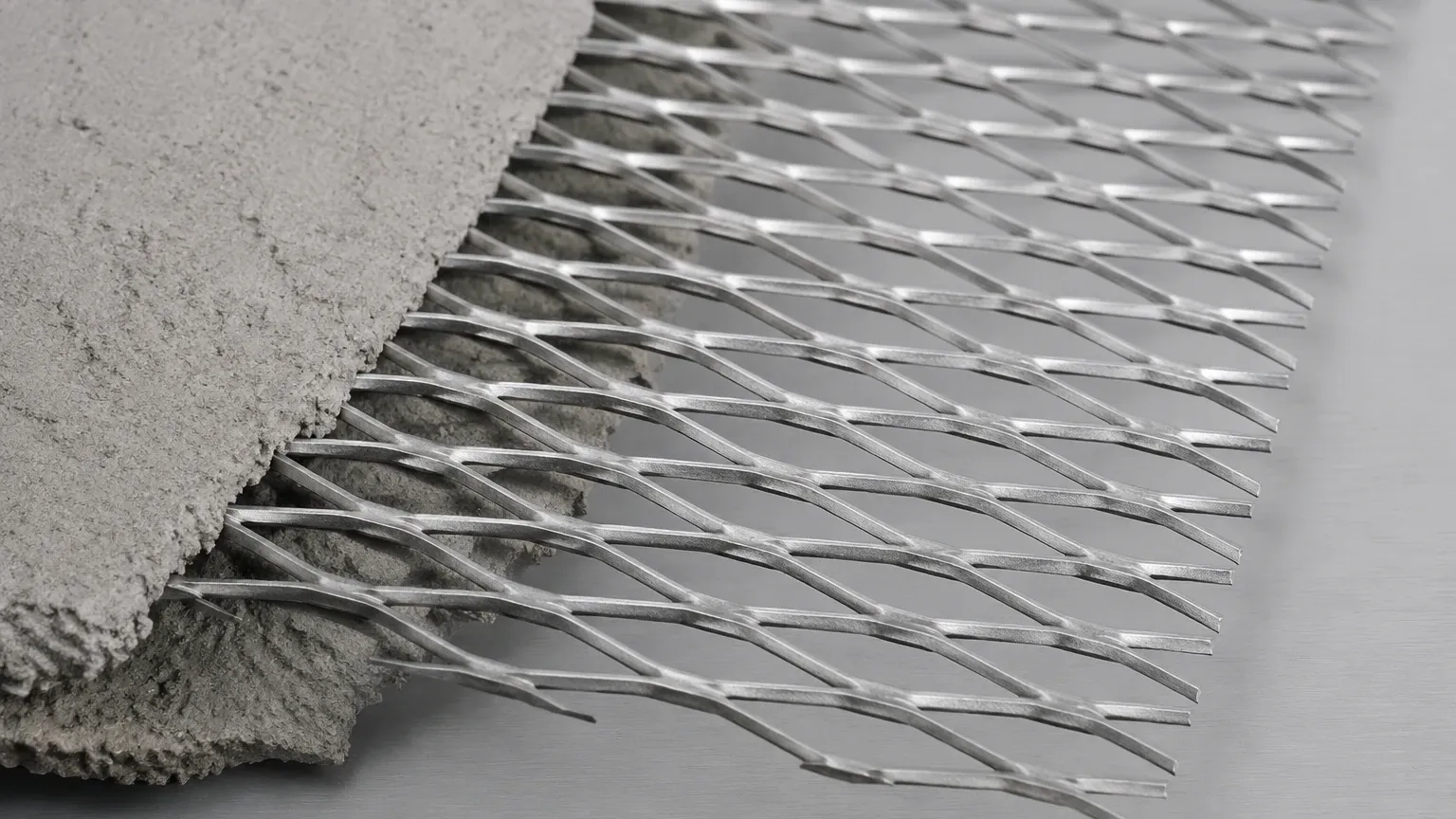
In industrial engineering and heavy-duty construction, the structural integrity of a system often depends on the underlying support materials used. Expanded metal lath (eml) is a versatile, high-performance material produced by simultaneously slitting and stretching a solid sheet of metal. This process creates a continuous, jointless mesh characterized by diamond-shaped openings. Unlike perforated metal, which involves punching out material and creating waste, the expansion process ensures that no material is lost, resulting in a product that is both cost-effective and structurally superior.
As a critical component within the broader category of Perforated & Expanded Metal, expanded metal lath (eml) serves several functions across various sectors. From providing a mechanical key for plaster and render in architectural applications to acting as a rigid support structure for industrial filtration media, its utility is defined by its strength-to-weight ratio and its ability to maintain its shape under stress.
The Manufacturing Process of Expanded Metal Lath (eml)
Understanding the manufacturing process is essential for engineers when specifying expanded metal lath (eml) for technical projects. The production begins with a solid metal coil or sheet, typically made of stainless steel, galvanized steel, or aluminum. A specialized machine equipped with a precision knife slits the metal while simultaneously stretching it.
Slitting and Stretching
The knife moves in a reciprocating pattern. As it strikes the metal, it creates a row of slits. The machine then pulls the metal forward and sideways, expanding the slits into the characteristic diamond pattern. Because the metal is stretched rather than cut out, the strands are set at an angle to the plane of the sheet. This creates a "raised" or "standard" expanded metal surface, which offers excellent grip and high rigidity.
Flattened vs. Raised EML
Depending on the application, expanded metal lath (eml) can be supplied in two primary forms:
1. Raised (Standard): The strands are tilted, providing a three-dimensional surface. This is ideal for applications requiring maximum grip or structural reinforcement, such as in heavy-duty plastering or as a substrate for industrial coatings.
2. Flattened: The raised mesh is passed through a cold-rolling reducing mill. This flattens the strands back into the same plane as the original sheet. Flattened EML is smoother and thinner, making it suitable for filtration support where a flat surface is required to prevent damage to delicate filter membranes.
Technical Specifications and Nomenclature
When sourcing expanded metal lath (eml), engineers must communicate precise dimensions to ensure the material meets the performance requirements of the application. The following terms are standard in the industry:
* SWD (Short Way of Diamond): The distance from the center of one bond to the center of the next bond across the short axis of the diamond.
* LWD (Long Way of Diamond): The distance from the center of one bond to the center of the next bond across the long axis of the diamond.
* SWO (Short Way of Opening): The actual width of the opening, measured from the inside of the bonds.
* LWO (Long Way of Opening): The actual length of the opening, measured from the inside of the bonds.
* Strand Width: The amount of metal fed into the machine between the slits.
* Strand Thickness: The thickness of the original base metal.
By adjusting these variables, manufacturers can produce expanded metal lath (eml) with varying degrees of open area, weight, and structural strength. For industrial filtration, a high open area is often preferred to minimize pressure drop, while a thicker strand may be necessary for high-pressure hydraulic applications.
Material Selection for Industrial Environments
The choice of material for expanded metal lath (eml) is dictated by the environment in which it will operate. At Kaifil, the focus is on providing durable, corrosion-resistant solutions for demanding industrial sectors.
Stainless Steel (304, 316, 316L)
Stainless steel is the preferred choice for chemical processing, food and beverage, and pharmaceutical industries. Grade 304 offers excellent corrosion resistance for general applications, while Grade 316 and 316L contain molybdenum, providing superior resistance to chlorides and pitting. In filtration systems, stainless steel EML ensures that the support structure does not contaminate the fluid being processed.
Galvanized Steel
For construction and general industrial use where cost is a primary factor, galvanized steel expanded metal lath (eml) provides a protective zinc coating that resists rust. This is commonly used in external rendering or as a reinforcement layer in industrial insulation.
Aluminum
Aluminum EML is lightweight and naturally resistant to atmospheric corrosion. It is frequently used in HVAC systems, decorative architectural panels, and applications where weight reduction is critical without sacrificing structural integrity.
Applications in Industrial Filtration and Support
While expanded metal lath (eml) is widely recognized in the construction industry, its role in industrial filtration is equally vital. It often serves as the "skeleton" for complex filtration components.
Filter Media Support
In high-pressure filtration environments, fine wire mesh or synthetic filter membranes lack the structural rigidity to withstand the force of the fluid flow. Expanded metal lath (eml) is used as a support layer, preventing the filter media from collapsing or deforming. Its diamond structure provides uniform support across the entire surface area of the filter.
Pleated Filter Reinforcement
In pleated filter cartridges, EML is often used as an inner or outer support core. It maintains the spacing between pleats, ensuring maximum surface area remains exposed to the fluid stream, which optimizes filtration efficiency and extends the service life of the cartridge.
Strainers and Coarse Filtration
For applications involving the removal of large particulates, such as in water treatment or heavy industrial runoff, expanded metal lath (eml) can function as a primary strainer. Its robust construction allows it to handle high debris loads that would easily damage lighter mesh products.
Engineering Considerations for Selection
Selecting the right expanded metal lath (eml) requires a balance of several engineering factors. Purchasing teams and engineers should evaluate the following criteria before finalizing a specification:
1. Open Area Percentage
The open area determines the flow rate and pressure drop in filtration applications. A higher open area allows for higher throughput but may reduce the overall strength of the lath. Engineers must calculate the minimum required strength versus the maximum allowable pressure drop.
2. Structural Load and Rigidity
In reinforcement applications, the EML must be able to withstand specific mechanical loads. The orientation of the diamonds (LWD vs. SWD) affects the rigidity of the sheet. Generally, the sheet is stiffer along the LWD. Understanding the direction of the applied force is crucial for correct installation.
3. Chemical Compatibility
In chemical processing, the lath is often exposed to aggressive solvents, acids, or bases. Selecting a material like 316L stainless steel ensures that the expanded metal lath (eml) does not degrade, which could lead to structural failure or system contamination.
4. Edge Finishing and Safety
Expanded metal has inherently sharp edges due to the slitting process. For components that require frequent handling or maintenance, specifying "de-burred" or U-edged frames can improve safety and prevent damage to surrounding equipment.
Customization and OEM Capabilities
Industrial applications rarely follow a one-size-fits-all approach. Customization is a core strength of manufacturers like Kaifil, where expanded metal lath (eml) can be tailored to specific project requirements. Customization options include:
* Bespoke Dimensions: Producing sheets or coils to exact widths and lengths to reduce on-site waste and assembly time.
* Specialty Alloys: Sourcing exotic materials for high-temperature or highly corrosive environments.
* Secondary Processing: This includes cutting, bending, rolling into cylinders, and welding EML into finished filtration components.
* Surface Treatments: Options such as powder coating, pickling, or passivating to enhance the material's longevity and appearance.
Installation and Maintenance Best Practices
To ensure the longevity of expanded metal lath (eml), proper installation and maintenance protocols must be followed. In industrial support roles, the lath is typically secured via welding (spot welding or TIG welding) or mechanical fasteners. When welding stainless steel EML, it is important to use appropriate filler metals to maintain the corrosion resistance of the joints.
Maintenance requirements for EML are generally low, especially when stainless steel is used. However, in filtration applications, the lath should be inspected during filter media replacement for signs of mechanical wear, erosion, or chemical pitting. If the structural integrity of the lath is compromised, it can lead to the failure of the entire filtration assembly.
Conclusion
Expanded metal lath (eml) is an indispensable material in the industrial landscape, offering a unique combination of strength, permeability, and cost-efficiency. Whether it is used to reinforce industrial structures or to provide critical support in a high-precision filtration system, its performance is a result of careful material selection and precise engineering.
By understanding the technical nuances of Perforated & Expanded Metal, engineers can optimize their designs for better durability and performance. When specifying expanded metal lath (eml), focusing on material grade, diamond dimensions, and the specific demands of the operating environment will ensure a reliable and long-lasting solution.
