


Expanded Metal Lockers
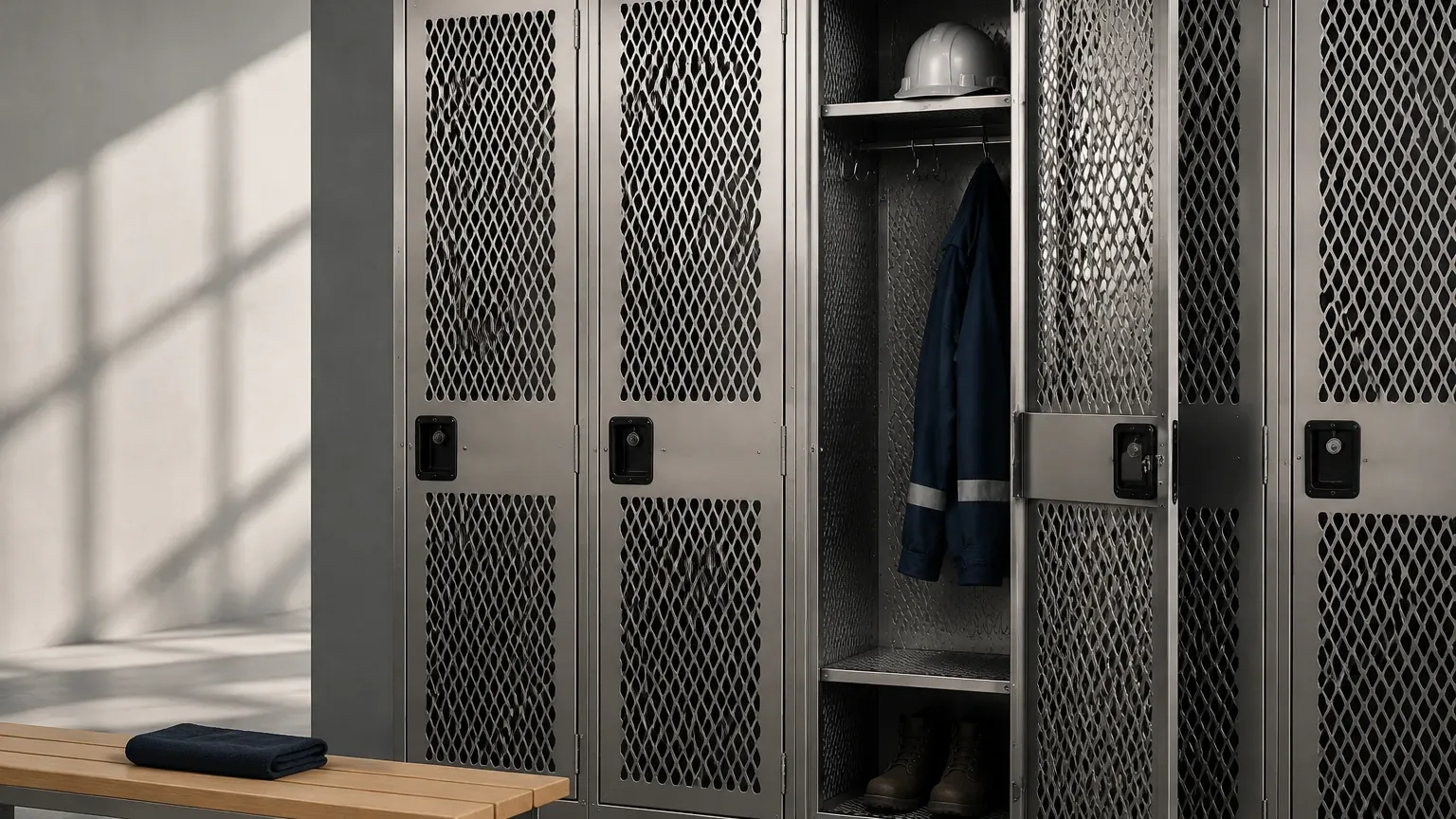
In industrial, commercial, and high-security environments, the choice of storage solutions is dictated by more than just volume. Engineers and facility managers must prioritize ventilation, visual accountability, and structural integrity. Expanded metal lockers have emerged as a primary solution for these demanding applications, bridging the gap between heavy-duty security and environmental adaptability. Unlike solid-walled units, these lockers utilize a mesh structure that allows for continuous airflow and immediate inspection of contents, which is critical in sectors ranging from chemical processing to food and beverage production.
Selecting the right locker requires a deep understanding of the underlying materials. The performance of these units is fundamentally tied to the quality of the Perforated & Expanded Metal used in their construction. This guide examines the technical specifications, engineering considerations, and selection criteria necessary for procurement teams to make informed decisions regarding expanded metal storage systems.
The Role of Expanded Metal in Industrial Storage Solutions
Expanded metal is a unique material produced by simultaneously slitting and stretching a single sheet of metal—typically stainless steel, carbon steel, or aluminum. This process creates a diamond-shaped pattern that is structurally sound because it is formed from a single piece of material, meaning there are no welds to break or joints to unravel.
In the context of expanded metal lockers, this structural continuity provides a high strength-to-weight ratio. For industrial facilities, this means the lockers can withstand significant impact and heavy loads without the bulk of solid steel plates. Furthermore, the open-mesh design serves several functional purposes:
1. Air Circulation: In environments where damp gear or chemical-sensitive materials are stored, airflow prevents the buildup of odors, moisture, and hazardous fumes.
2. Visual Inspection: Security personnel can verify the contents of a locker without requiring the user to open it, which is essential in loss-prevention strategies and safety-critical zones.
3. Light Penetration: Internal visibility is improved by ambient light, reducing the need for integrated lighting within large storage banks.
Technical Specifications: Understanding Mesh Patterns and Material Gauges
When specifying expanded metal lockers, engineers must look beyond the external dimensions. The performance of the locker is defined by the specific geometry and gauge of the mesh. There are two primary forms of expanded metal used in these applications: Standard (Raised) and Flattened.
Standard vs. Flattened Expanded Metal
Standard expanded metal features strands that are set at a sharp angle to the plane of the sheet. This provides maximum rigidity and a slip-resistant surface, but the raised edges can be sharp. For lockers, flattened expanded metal is generally preferred. This material is passed through a cold-rolling reducing mill, which flattens the strands and bonds to create a smooth, level surface. This process ensures that users do not snag clothing or skin on the mesh while maintaining the structural integrity of the diamond pattern.
Key Metrics for Selection
* SWD (Short Way of Design): The distance from the center of one bond to the center of the next bond measured across the short diamond diagonal.
* LWD (Long Way of Design): The distance measured across the long diamond diagonal.
* Strand Thickness and Width: These dimensions determine the overall weight and strength of the mesh. For industrial lockers, a 13-gauge or 16-gauge thickness is common, providing a balance between security and weight.
* Percentage of Open Area: This dictates how much air and light can pass through. A higher open area percentage improves ventilation but may slightly reduce the absolute rigidity of the panel.
Comparative Analysis: Perforated vs. Expanded Metal for Secure Enclosures
While both perforated and expanded metals are used in locker manufacturing, they offer different mechanical properties. Understanding these differences is vital for selecting the appropriate solution for a specific industrial application.
Perforated metal is created by punching holes into a solid sheet. This allows for a wide variety of hole shapes (round, square, slotted) and precise control over the open area. However, the punching process generates scrap material, which can increase the cost of the raw component. Perforated metal is often chosen for its aesthetic appeal and the ability to create very specific filtration or airflow patterns.
Expanded metal, conversely, is a more resource-efficient material because the process involves stretching rather than punching, resulting in zero waste. From an engineering standpoint, expanded metal is often superior for lockers because the diamond trusses act as structural reinforcements. If a single strand is cut, the remaining strands continue to hold the shape, whereas perforated metal may lose structural tension more easily if the surrounding material is compromised.
For facilities requiring maximum durability at a lower total cost of ownership, the inherent strength of Perforated & Expanded Metal components makes expanded mesh the industry standard for heavy-duty lockers.
Key Engineering Considerations for High-Performance Lockers
Designing or purchasing expanded metal lockers for an industrial site involves several critical engineering considerations. These factors ensure that the equipment survives the rigors of the environment and meets the specific needs of the workforce.
Material Compatibility and Corrosion Resistance
The environment in which the lockers will be installed dictates the material choice.
* Carbon Steel: Suitable for dry, indoor environments. It requires a powder-coated or galvanized finish to prevent oxidation.
* Stainless Steel (304 or 316): Essential for chemical processing plants, pharmaceutical labs, or food production facilities. Stainless steel offers superior resistance to corrosive cleaning agents and high-humidity environments. Kaifil specializes in these high-grade alloys to ensure long-term durability in demanding conditions.
* Aluminum: A lightweight alternative that offers natural corrosion resistance, though it lacks the sheer impact strength of steel.
Load-Bearing Requirements
Industrial lockers often store heavy tools, safety equipment, or machinery parts. The shelves within the lockers must be engineered to prevent sagging. Using expanded metal for shelving allows for debris and dust to fall through to the bottom, keeping the stored items cleaner, but the gauge must be sufficient to support the anticipated weight without permanent deformation.
Integration with Locking Mechanisms
The frame of the locker must be robust enough to support heavy-duty locking bars or electronic access control systems. Because expanded metal is a mesh, the points where the mesh meets the frame (the welds) are critical. High-quality manufacturing ensures that these welds are ground smooth and are strong enough to resist prying or tampering.
Mitigating Risks: Durability, Safety, and Environmental Resistance
When deploying expanded metal lockers, there are several risks that must be managed through careful selection and maintenance planning.
Addressing Safety Hazards
The primary risk with expanded metal is the presence of sharp edges or "burrs" created during the expansion process. In a B2B context, employee safety is paramount. It is essential to confirm that the manufacturer uses deburring processes or provides flattened mesh that has been properly finished. Poorly finished lockers can lead to workplace injuries and damage to personal protective equipment (PPE).
Structural Integrity Over Time
In high-traffic areas, lockers are subject to constant opening, closing, and occasional impact. Over time, the hinges and latching points are the most common failure modes. Engineers should look for continuous "piano" hinges or heavy-duty butt hinges that are welded, rather than bolted, to the frame. The expanded metal panels themselves should be securely recessed into a channel frame to prevent the edges from being exposed or pulled away.
Environmental Degradation
In coastal or chemical-heavy environments, even treated steel can succumb to corrosion. The "total cost of ownership" calculation must include the potential for replacement if the wrong material is chosen. For example, while carbon steel lockers are cheaper upfront, the cost of rust remediation or premature replacement in a caustic environment far outweighs the initial investment in stainless steel expanded metal lockers.
Customization and Procurement: Selecting the Right Manufacturing Partner
Standard off-the-shelf lockers rarely meet the specific needs of specialized industrial applications. Customization is often necessary to optimize floor space and meet specific storage requirements.
Customization Options to Confirm
Before finalizing a purchase, technical teams should confirm the following customization capabilities with their supplier:
* Dimensional Flexibility: Can the height, width, and depth be adjusted to fit specific alcoves or equipment sizes?
* Tier Configuration: Options for single-tier, double-tier, or box-style lockers depending on the volume of items stored.
* Material Grade: The ability to specify 304 or 316 stainless steel for specialized filtration or chemical environments.
* Finish Specifications: Options for antimicrobial powder coatings or hot-dip galvanization.
The Importance of OEM Expertise
Working with a manufacturer like Kaifil, which has deep expertise in precision metal components and industrial filtration, ensures that the expanded metal used in the lockers meets rigorous quality standards. Because Kaifil understands the nuances of mesh accuracy and material durability in sectors like chemical processing and water treatment, they can provide guidance on the most resilient configurations for a given application.
Conclusion: Steps for Informed Purchasing
Expanded metal lockers are a vital component of industrial infrastructure, offering a balance of security, visibility, and ventilation that solid lockers cannot match. To ensure the best performance, purchasing teams should follow a systematic evaluation process:
1. Define the Environment: Determine if the lockers will face moisture, chemicals, or physical abuse to select the correct material (e.g., 316 Stainless Steel vs. Powder-coated Carbon Steel).
2. Evaluate Mesh Specs: Prioritize flattened expanded metal for user safety and specify the gauge based on the required impact resistance.
3. Inspect Frame Construction: Ensure the mesh is fully integrated into a rigid frame with high-quality welds and heavy-duty hinges.
4. Verify Manufacturer Capabilities: Partner with a supplier that offers customization and understands the technical requirements of industrial Perforated & Expanded Metal applications.
By focusing on these technical and engineering details, facilities can implement storage solutions that enhance operational efficiency, improve safety, and provide a reliable service life in even the most demanding industrial settings.
