


Expanded Metal Price Kenya
In the rapidly evolving industrial landscape of East Africa, particularly within Kenya’s manufacturing and processing sectors, the demand for high-performance materials has seen a significant uptick. For engineers and procurement professionals, understanding the variables that influence the expanded metal price Kenya market is essential for budgeting and project planning. Expanded metal, characterized by its diamond-shaped apertures and rigid structure, serves as a critical component in applications ranging from architectural facades to high-precision industrial filtration systems.
At Kaifil, we specialize in providing technical-grade Perforated & Expanded Metal solutions designed to meet the rigorous standards of the chemical, food and beverage, and pharmaceutical industries. When evaluating costs for the Kenyan market, it is necessary to look beyond the surface price per square meter and consider the technical specifications, material grades, and long-term performance requirements that define industrial-grade filtration and support components.
Understanding Expanded Metal Manufacturing and Its Cost Drivers
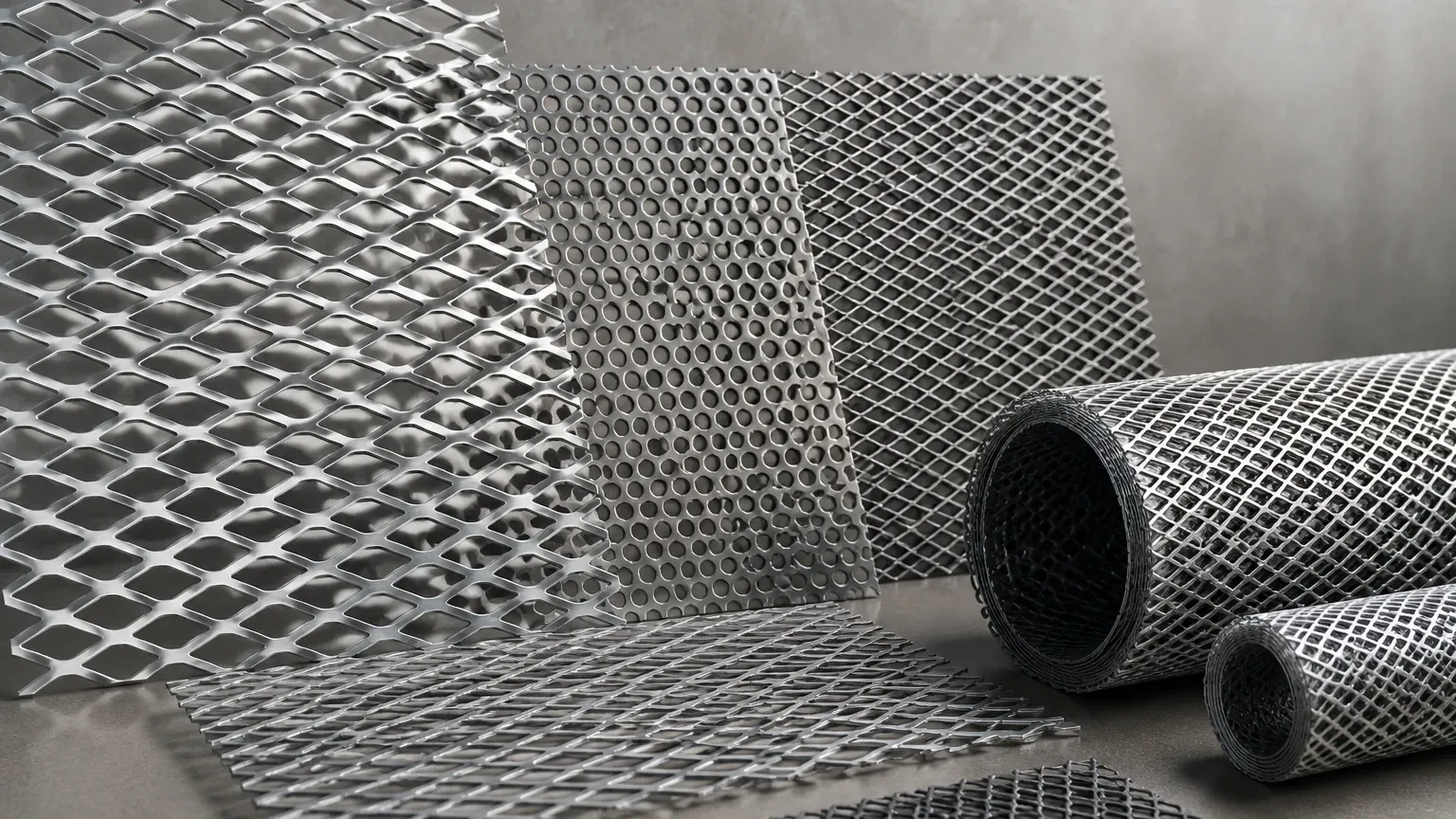
Expanded metal is produced through a process of simultaneous slitting and stretching. Unlike perforated metal, which involves punching holes and generating scrap material, expanded metal is created from a single sheet of metal with virtually no waste. This manufacturing efficiency is one of the primary reasons why expanded metal is often a cost-effective alternative for large-scale industrial projects.
However, the expanded metal price Kenya buyers encounter is influenced by several technical factors:
1. Material Selection: The choice of alloy is the most significant price determinant. While carbon steel and galvanized steel are common for general construction, industrial filtration and chemical processing require stainless steel (SS 304, 316, or 316L). Stainless steel offers superior corrosion resistance and longevity, which justifies a higher initial investment compared to mild steel.
2. Mesh Dimensions (LWD and SWD): The Long Way of the Design (LWD) and Short Way of the Design (SWD) determine the size of the diamond openings. Smaller, more intricate patterns require more precise machine calibration and slower production speeds, which can influence the final cost.
3. Strand Width and Thickness: The thickness of the original sheet and the width of the resulting strands dictate the strength and weight of the mesh. Heavier mesh requires more raw material, directly increasing the price.
4. Surface Finish: For many B2B applications, especially in the food or pharmaceutical sectors, the metal must undergo post-production treatments such as pickling, passivation, or electropolishing to ensure hygiene and corrosion resistance.
The Role of Perforated & Expanded Metal in Industrial Filtration
In the context of industrial filtration, expanded metal is rarely used in isolation. It often functions as a robust support structure for finer wire mesh filters or as a primary coarse filter in heavy-duty hydraulic and water treatment systems. The integration of Perforated & Expanded Metal into filtration assemblies requires high dimensional accuracy to ensure a proper fit within filter housings.
For Kenyan industries such as sugar refining, tea processing, and edible oil production, the filtration environment is often demanding. High temperatures, varying pressure drops, and exposure to corrosive cleaning agents mean that the "cheapest" expanded metal option can lead to frequent failures and costly downtime. When analyzing the expanded metal price Kenya, technical professionals must weigh the cost of the component against its expected service life and the protection it provides to more expensive downstream equipment.
Evaluating Expanded Metal Price Kenya: Local vs. International Sourcing
Procurement teams in Kenya often face the choice between sourcing locally available stock or partnering with international manufacturers for custom solutions. While local stock may offer immediate availability for standard sizes, custom industrial applications often require specific tolerances and material certifications that local general-purpose suppliers may not provide.
Factors Influencing International Procurement Costs:
* Logistics and Freight: Shipping costs to the Port of Mombasa or via air freight to Nairobi significantly impact the landed cost. Bulk orders often mitigate these costs per unit.
* Import Duties and Taxes: Understanding the Kenyan customs tariff for stainless steel products is vital for accurate budgeting.
* Quality Assurance: International manufacturers like Kaifil provide material test reports (MTRs) and adhere to global quality standards, ensuring that the product delivered matches the engineering specifications exactly.
For complex projects, the total cost of ownership (TCO) is a more accurate metric than the unit price. A high-quality stainless steel expanded metal sheet that lasts five years in a corrosive environment is significantly more economical than a lower-grade product that requires replacement every twelve months.
Technical Specifications and Customization Options
To get an accurate quote for expanded metal price Kenya, engineers should be prepared to provide detailed specifications. The versatility of expanded metal allows it to be tailored to very specific mechanical requirements. Key specifications include:
* Type of Expansion: Raised (standard) expanded metal has strands that are turned at an angle to the plane of the sheet, providing extra strength and grip. Flattened expanded metal is passed through a cold-rolling mill to create a smooth, level surface, which is often preferred for filter support to prevent damage to the fine mesh layers.
* Open Area Percentage: This is critical for flow rate calculations in filtration. A higher open area reduces pressure drop but may decrease the structural integrity of the sheet.
* Sheet Size and Tolerance: Custom-cut sizes reduce on-site labor and waste, though they may carry a premium over standard 4×8 foot sheets.
Kaifil’s engineering team works closely with clients to determine the optimal balance between these specifications, ensuring the product is fit for purpose while remaining cost-effective.
Common Applications in the Kenyan Industrial Sector
Kenya’s diverse industrial base utilizes expanded metal in several key areas:
1. Water Treatment: Used as trash screens and support structures for membrane bioreactors and sand filters.
2. Food Processing: Stainless steel expanded metal is used in drying trays, sorting screens, and as protective guards for machinery that require ventilation.
3. Chemical and Petrochemical: Used in catalyst support grids and internal components for pressure vessels where corrosion resistance is paramount.
4. Architecture and Security: Beyond filtration, expanded metal is used for secure partitioning in warehouses and as sunshades for modern office buildings in Nairobi’s growing commercial districts.
How to Optimize Your Procurement Process
When inquiring about the expanded metal price Kenya, we recommend a structured approach to ensure you receive a technically sound and commercially competitive proposal:
* Define the Environment: Specify if the metal will be exposed to acids, high humidity, or extreme temperatures. This dictates whether SS 304 or SS 316 is required.
* Request Samples: For large-scale projects, evaluating a physical sample helps confirm the strand geometry and finish quality.
* Consolidate Requirements: Ordering filtration components, such as Perforated & Expanded Metal and wire mesh cartridges, from a single manufacturer can reduce shipping costs and ensure component compatibility.
* Verify Certifications: Ensure the manufacturer can provide ISO certifications and material compliance documents to meet Kenyan regulatory and industry standards.
Conclusion
Navigating the expanded metal price Kenya market requires a balance of technical knowledge and commercial foresight. While the price is influenced by global raw material trends and logistics, the value is found in selecting a product that meets the specific rigors of the application. For Kenyan industries aiming for operational excellence, investing in precision-engineered stainless steel expanded metal is a strategic decision that enhances equipment reliability and process efficiency.
Kaifil remains committed to supporting the Kenyan industrial sector with high-quality filtration solutions and metal components. By focusing on durability, precision, and customized engineering, we help our partners achieve optimal performance in their most demanding environments. Whether you are designing a new filtration system or upgrading existing infrastructure, understanding the technical nuances of expanded metal is the first step toward a successful procurement outcome.
