


Expanded Metal Sheet #9
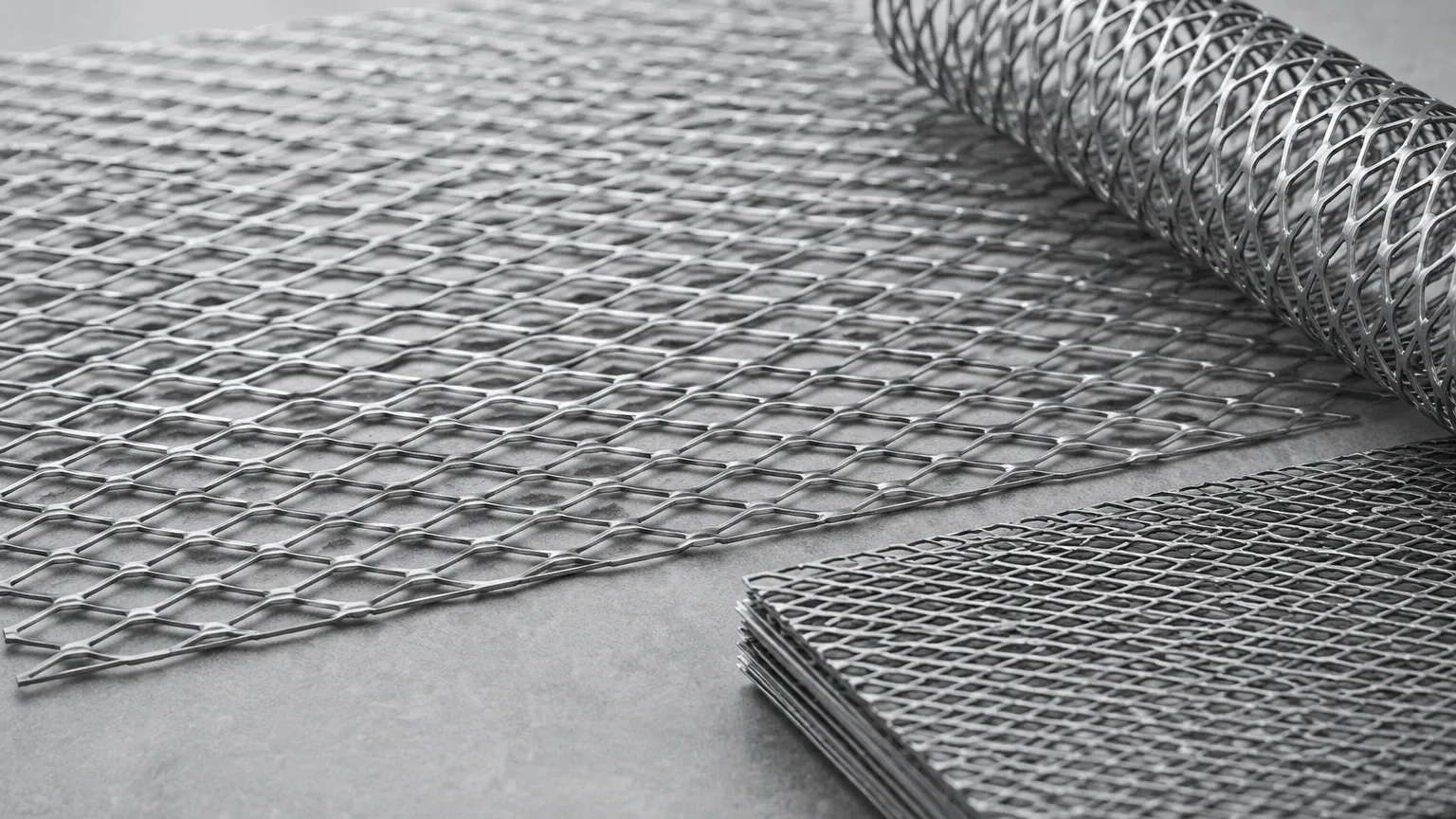
In the landscape of industrial materials, expanded metal sheet #9 represents a specific standard of durability and versatility. Characterized by its heavy-gauge construction and diamond-shaped openings, this material is a fundamental component in structural engineering, safety infrastructure, and high-performance filtration systems. For engineers and procurement specialists, understanding the technical nuances of #9 gauge expanded metal is essential for ensuring structural integrity and operational efficiency in demanding environments.
As a specialized manufacturer, Kaifil provides precision-engineered Perforated & Expanded Metal solutions tailored to specific industrial requirements. This guide explores the technical specifications, manufacturing variations, and application-specific considerations for expanded metal sheet #9, focusing on its role in industrial filtration and structural support.
Technical Specifications of #9 Gauge Expanded Metal
The nomenclature "#9" refers to the thickness of the base metal used in the expansion process. In the context of carbon steel, #9 gauge is approximately 0.134 inches thick. When this base sheet is slit and stretched, it creates a continuous mesh that is stronger, lighter, and more rigid than the original sheet.
Dimensional Variables
To accurately specify expanded metal sheet #9, several key dimensions must be defined:
* SWD (Short Way of Design): The distance from the center of a bond to the center of the next bond across the short diamond diagonal.
* LWD (Long Way of Design): The distance from the center of a bond to the center of the next bond across the long diamond diagonal.
* SWO (Short Way of Opening): The actual width of the diamond opening.
* LWO (Long Way of Opening): The actual length of the diamond opening.
* Strand Width: The amount of metal fed into the expanding machine between the slits.
* Strand Thickness: The gauge of the base metal (in this case, #9 gauge).
For example, a common specification is "3/4" #9," where 3/4" refers to the nominal SWD. This specific configuration provides a robust mesh often used in heavy-duty walkways, machine guards, and large-scale filtration debris screens.
Manufacturing Variations: Standard vs. Flattened
Expanded metal sheet #9 is available in two primary forms, each offering distinct mechanical properties and performance characteristics.
Standard (Raised) Expanded Metal
Standard expanded metal is the product as it comes off the expanding machine. The strands and bonds are set at a uniform angle to the plane of the sheet. This creates a three-dimensional surface that offers several advantages:
1. High Strength-to-Weight Ratio: The angled strands provide exceptional structural rigidity, making it capable of supporting significant loads without excessive weight.
2. Enhanced Traction: The raised surface provides natural slip resistance, which is critical for industrial flooring and ramps.
3. Deflection and Shielding: The angled profile can be used to deflect light or provide security screening while still allowing for airflow and visibility.
Flattened Expanded Metal
Flattened expanded metal is produced by passing the standard expanded sheet through a cold-roll reducing mill. This process flattens the strands and bonds into a single plane, resulting in a smooth, flat surface.
For filtration applications, flattened #9 gauge metal is often preferred. The smooth surface prevents damage to delicate filter media, such as fiberglass or synthetic membranes, which might otherwise be punctured by the sharp edges of raised strands. Additionally, flattened metal is easier to weld and integrate into frames or filter housings.
Material Selection for #9 Gauge Sheets
While carbon steel is the most common material for #9 gauge expanded metal due to its cost-effectiveness and strength, other alloys are frequently utilized depending on the environment.
* Stainless Steel (304 and 316): Essential for chemical processing, food and beverage production, and marine environments. Stainless steel #9 expanded metal provides superior corrosion resistance and can withstand high-temperature sterilization processes.
* Aluminum: Used where weight reduction is a primary concern. While aluminum is softer than steel, #9 gauge aluminum still offers substantial protection and is highly resistant to atmospheric corrosion.
* Galvanized Steel: Carbon steel coated with zinc to provide a barrier against rust. This is a common choice for outdoor infrastructure and wastewater treatment components.
The Role of Expanded Metal Sheet #9 in Industrial Filtration
In the filtration industry, expanded metal sheet #9 serves as a critical structural component rather than the primary filtering medium. Its role is to provide the mechanical support necessary for finer media to function under pressure.
Filter Media Support and Caging
High-pressure hydraulic systems and large-scale air intake filters often utilize #9 gauge expanded metal as an outer or inner support cage. The diamond pattern provides a high percentage of open area (typically ranging from 60% to 80% depending on the strand width), which minimizes pressure drop while ensuring the filter element does not collapse under high flow rates.
Pre-Filtration and Coarse Screening
In water treatment and industrial runoff systems, expanded metal sheet #9 acts as a primary screen to remove large debris, such as rocks, wood, and plastic waste, before the fluid reaches more sensitive filtration stages. The durability of the #9 gauge ensures that the screen can withstand the impact of heavy solids without deforming.
Engineering Considerations for Flow Dynamics
When selecting expanded metal for filtration, engineers must calculate the effective open area. Unlike perforated metal, where the open area is a simple ratio of hole size to pitch, expanded metal's open area is influenced by the strand width and the angle of the expansion. In standard (raised) metal, the "directional" nature of the openings can also be used to influence flow turbulence, which may be beneficial in certain mixing or aeration applications.
Comparative Analysis: Expanded vs. Perforated Metal
Choosing between expanded metal and perforated metal is a frequent decision for design engineers. For #9 gauge applications, the following factors usually tip the scale toward expanded metal:
1. Material Efficiency: Expanded metal is produced by slitting and stretching, meaning there is zero scrap waste. Perforated metal involves punching holes, which can result in significant material loss (up to 40% or more). This makes expanded metal more cost-effective, especially when using expensive alloys like 316L stainless steel.
2. Structural Integrity: Because expanded metal is made from a single piece of material and not joined or welded, the strands are interconnected in a way that distributes loads more efficiently than many perforated patterns.
3. Aesthetics and Grip: In architectural or safety applications, the diamond pattern of expanded metal is often considered more visually appealing and provides better mechanical grip than round-hole perforated sheets.
Installation and Maintenance Best Practices
To maximize the lifespan of expanded metal sheet #9, proper installation and maintenance protocols must be followed.
Welding and Fabrication
When welding #9 gauge expanded metal, it is important to ensure full penetration at the bonds. For stainless steel applications, TIG (Tungsten Inert Gas) welding is often preferred to maintain the corrosion resistance of the alloy. If using flattened metal, the edges should be deburred to prevent stress concentrations and ensure a clean fit within the frame.
Corrosion Management
In corrosive environments, even stainless steel can suffer from pitting if not maintained. Regular cleaning to remove particulate buildup is necessary, especially in filtration systems where "blindness" (clogging of the openings) can lead to localized pressure spikes. For carbon steel installations, maintaining the integrity of the galvanized or powder-coated finish is essential to prevent oxidation.
Customization and OEM Capabilities
Standard sizes for expanded metal sheet #9 are typically 4'x8' or 4'x10', but industrial applications often require custom dimensions. Kaifil specializes in providing tailored solutions that go beyond off-the-shelf specifications.
Customization options include:
* Variable Strand Widths: Adjusting the strand width to achieve a specific open area percentage or weight requirement.
* Custom Sheet Sizes: Precision shearing to fit specific filter housings or structural frames, reducing on-site fabrication time.
* Specialty Alloys: Sourcing specific grades of stainless steel or high-nickel alloys for extreme chemical environments.
* Edge Finishing: Providing U-edging or custom framing to ensure safety and ease of installation.
Conclusion: Selecting the Right Solution
Expanded metal sheet #9 is a versatile workhorse in the industrial sector, offering a unique combination of strength, permeability, and cost-efficiency. Whether it is used as a support structure for a complex filtration system or as a safety barrier in a manufacturing plant, its performance depends on precise specification and quality manufacturing.
Engineers and purchasing teams should evaluate the specific demands of their application—considering factors like pressure drop, mechanical load, and chemical exposure—before selecting the material and finish. By partnering with a manufacturer that understands the technical complexities of Perforated & Expanded Metal, organizations can ensure they receive components that meet the highest standards of industrial reliability.
For technical consultation regarding specific filtration requirements or custom expanded metal designs, reviewing detailed product specifications and engineering support options is the recommended next step in the procurement process.
