


Expanded Metal Trailer
In the realm of industrial logistics and equipment transport, the choice of surfacing and structural material for a trailer is a critical engineering decision. An expanded metal trailer utilizes a unique mesh material created by simultaneously slitting and stretching a single sheet of metal. This process results in a diamond-patterned lattice that offers a high strength-to-weight ratio, exceptional traction, and superior drainage. For engineers and procurement specialists, understanding the technical nuances of Perforated & Expanded Metal is essential for optimizing trailer performance, safety, and longevity.
The Role of Expanded Metal in Industrial Trailer Design
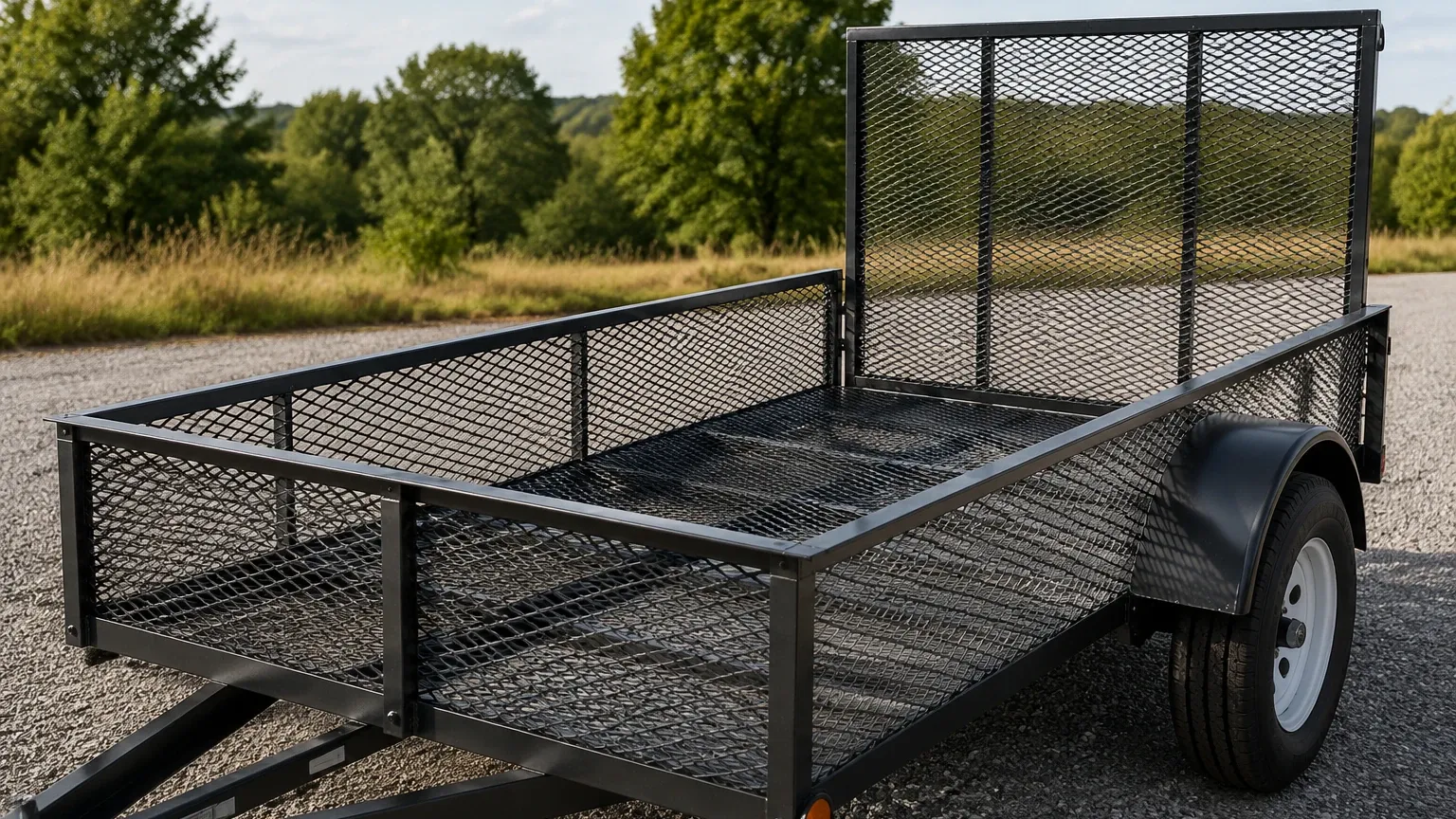
Expanded metal is not merely a decorative or secondary component; it is a structural element often used for trailer floors, ramps, and side walls. Unlike solid steel plates or wood planks, expanded metal provides a semi-transparent, open-area surface that allows for the passage of air, light, and fluids. This is particularly advantageous in utility and equipment trailers where weight reduction is a priority without compromising the integrity of the load-bearing surface.
From a manufacturing perspective, the production of expanded metal is highly efficient. Because the metal is stretched rather than punched (as is the case with perforated metal), there is virtually no material waste. This efficiency translates to cost-effectiveness for large-scale trailer production. Furthermore, the interconnected strands of the mesh distribute loads across a wider area, providing inherent structural rigidity that resists deformation under heavy machinery or concentrated point loads.
Technical Specifications: Raised vs. Flattened Mesh
When specifying materials for an expanded metal trailer, engineers must choose between two primary forms: raised (standard) and flattened expanded metal.
Raised Expanded Metal
Raised expanded metal is the immediate product of the expanding machine. The strands and bonds are set at a uniform angle to the plane of the sheet. This creates a three-dimensional surface with significant grip. In trailer applications, raised mesh is the industry standard for loading ramps. The angular edges of the strands provide the necessary friction for rubber tires and metal tracks, ensuring safe loading even in wet, muddy, or icy conditions.
Flattened Expanded Metal
Flattened expanded metal is produced by passing the raised sheet through a cold-roll reducing mill. This process flattens the strands and bonds into a single plane, resulting in a smooth, level surface. Flattened mesh is often preferred for the main floor of a trailer where cargo needs to be slid into place or where a lower profile is required to prevent damage to delicate equipment. While it offers less traction than raised mesh, it provides a more stable surface for foot traffic and small-wheeled carts.
Material Selection for Longevity and Performance
The environmental conditions in which a trailer operates dictate the material grade required. While carbon steel is common for general-purpose utility trailers, industrial applications often demand higher-performance alloys.
1. Stainless Steel: For trailers used in chemical processing, food transport, or coastal environments, stainless steel expanded metal (typically Grade 304 or 316) is the optimal choice. It provides superior corrosion resistance and maintains structural integrity in high-moisture or chemically aggressive settings. Kaifil specializes in these high-durability solutions, ensuring that the filtration and structural components meet rigorous industrial standards.
2. Aluminum: When weight reduction is the primary engineering goal, aluminum expanded metal offers a high strength-to-weight ratio and natural atmospheric corrosion resistance. It is frequently used in lightweight car haulers and specialized aerospace ground support equipment.
3. Carbon Steel: For heavy-duty construction trailers where cost is a major factor and the environment is relatively dry, hot-rolled or cold-rolled carbon steel is used. These are typically hot-dip galvanized after fabrication to provide a protective zinc coating against rust.
Engineering Advantages: Strength, Drainage, and Traction
The geometric properties of an expanded metal trailer provide several functional advantages that are difficult to replicate with other materials.
Self-Cleaning and Drainage
The open diamond pattern allows debris, snow, gravel, and liquids to fall through the floor rather than accumulating. In a B2B context, this reduces maintenance downtime and prevents the buildup of corrosive materials that could degrade the trailer frame. For trailers transporting machinery that leaks hydraulic fluid or oil, the drainage capability of expanded metal is a vital safety feature, preventing the floor from becoming a slip hazard.
Wind Resistance
For trailers with high side walls, using Perforated & Expanded Metal significantly reduces wind drag during transit. Solid walls act as sails, increasing fuel consumption and affecting the stability of the towing vehicle. The open area of expanded metal allows air to pass through freely, improving the aerodynamic profile of the trailer and reducing the total cost of operation for fleet managers.
Impact Resistance
Expanded metal is remarkably resilient to impact. Because the mesh is made from a single piece of metal, there are no welds or joints within the mesh itself to fail. If a heavy piece of equipment is dropped onto the surface, the energy is dissipated through the interconnected strands, often resulting in localized deformation rather than a complete structural failure.
Critical Evaluation Criteria for Purchasing Managers
When sourcing expanded metal for trailer applications, purchasing teams should evaluate suppliers based on several technical parameters to ensure the material meets the intended use-case requirements.
* Strand Width and Thickness: These dimensions directly correlate to the load-bearing capacity. A thicker strand provides higher shear resistance but increases the overall weight of the trailer.
* Opening Size (LWD and SWD): The Long Way of the Diamond (LWD) and Short Way of the Diamond (SWD) determine the "density" of the mesh. Smaller openings provide more support for small objects but may clog more easily with mud or debris.
* Percentage of Open Area: This is critical for applications requiring specific airflow or drainage rates. Engineers must balance the need for a solid support surface with the requirement for transparency or permeability.
* Edge Treatment: For B2B trailer manufacturing, the way the mesh is finished at the edges is crucial. S-cut (sheared) edges can be sharp and may require a U-edging or frame to ensure operator safety and structural attachment.
Installation Best Practices and Maintenance
Integrating expanded metal into a trailer frame requires precise welding and fastening techniques. Most industrial trailers utilize a perimeter frame made of angle iron or C-channel. The expanded metal sheet is typically stitch-welded to the underside or the top of the frame flange.
Welding Considerations
Because expanded metal is relatively thin compared to the structural frame, welders must be careful to avoid "burn-through." MIG welding is commonly used for carbon steel, while TIG welding is often preferred for stainless steel expanded metal to maintain the corrosion-resistant properties of the alloy. It is essential to weld at the "bonds" (the intersection of the diamonds) rather than the "strands" to ensure maximum joint strength.
Maintenance and Inspection
While expanded metal is low-maintenance, regular inspections are necessary for industrial trailers. Users should check for:
1. Broken Bonds: Repeated heavy loading can eventually cause fatigue in the metal strands.
2. Corrosion at Weld Points: If the trailer is galvanized, the weld points are the most susceptible to rust and should be treated with cold-galvanizing spray if the original coating is compromised.
3. Deformation: Any significant "bowing" in the mesh indicates that the load capacity has been exceeded or that additional support cross-members are required in the trailer frame.
Custom Solutions and OEM Integration
For specialized industrial applications—such as those found in the pharmaceutical, chemical, or water treatment sectors—off-the-shelf expanded metal may not suffice. Customization allows engineers to specify exact tolerances, material grades, and mesh geometries that align with specific filtration or containment needs.
Kaifil provides comprehensive OEM capabilities, offering precision-cut and custom-designed metal components. By working closely with a manufacturer that understands the complexities of metal fabrication and filtration performance, trailer manufacturers can ensure their products meet the highest standards of durability and efficiency. Whether the requirement is for a high-grip ramp for heavy machinery or a corrosion-resistant floor for a chemical transport unit, selecting the right Perforated & Expanded Metal is the foundation of a high-performance expanded metal trailer.
Procurement and Total Cost of Ownership
When analyzing the cost of an expanded metal trailer, it is important to look beyond the initial purchase price. The total cost of ownership (TCO) includes maintenance, fuel efficiency (due to weight), and the lifespan of the material. A stainless steel expanded metal floor may have a higher upfront cost than wood, but its resistance to rot, fire, and chemical damage ensures a significantly longer service life in demanding industrial environments.
By choosing high-quality expanded metal, companies reduce the frequency of floor replacements and minimize the risk of cargo damage or accidents caused by structural failure. This evidence-led approach to material selection ensures that the trailer remains a reliable asset in the logistics chain for years to come.
