


How Much Is a Sheet of Expanded Metal
Determining the cost of industrial materials is rarely as simple as checking a retail price tag. For procurement teams and engineers, the question of "how much is a sheet of expanded metal" involves a complex calculation of material grade, geometric specifications, manufacturing processes, and volume requirements. In the context of industrial filtration and structural support, the price of a sheet is a reflection of its performance capabilities and longevity in demanding environments.
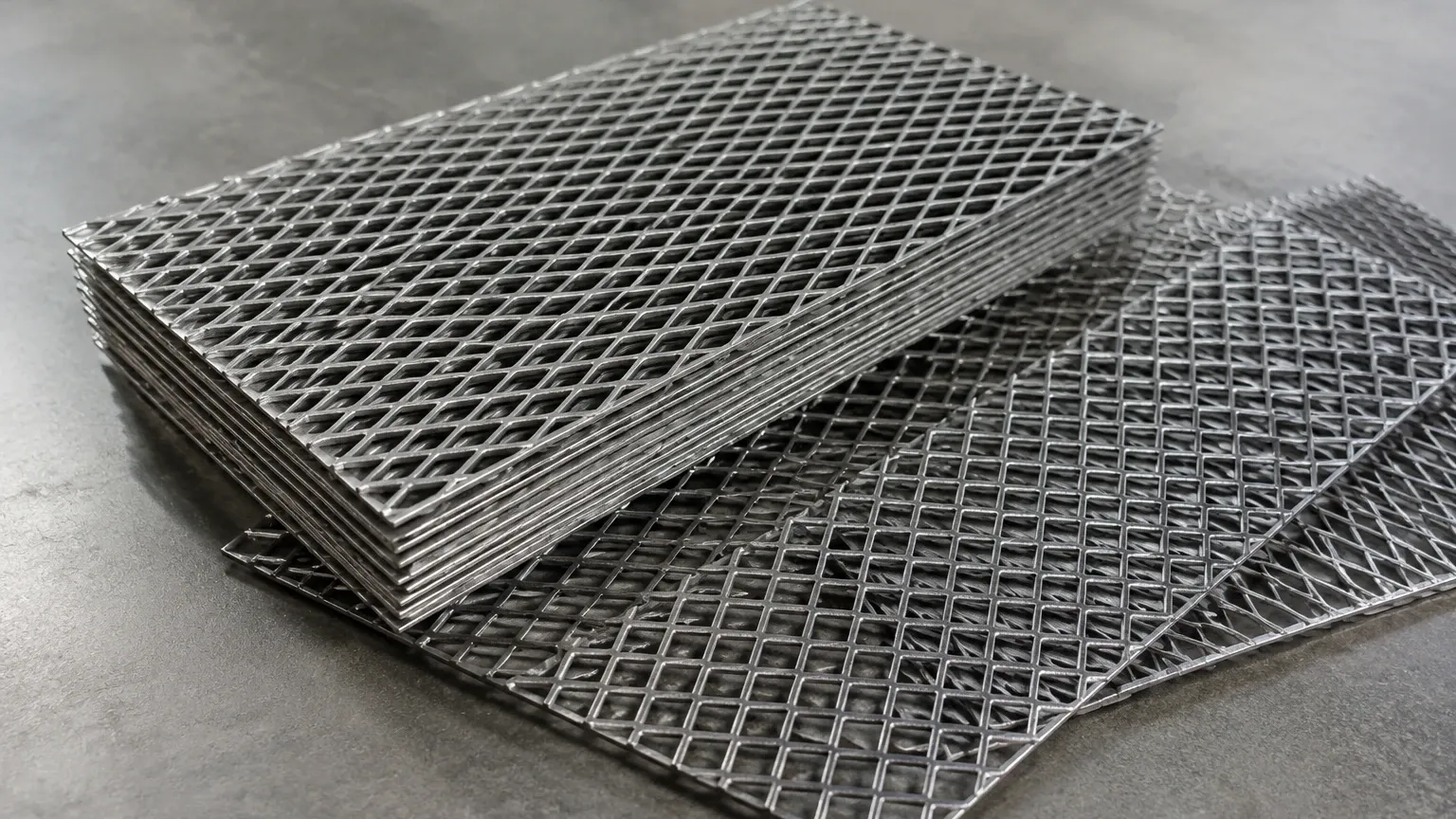
Expanded metal is produced by shearing and stretching a solid metal sheet simultaneously, creating a diamond-shaped pattern of openings. Unlike perforated metal, which involves punching out material (creating waste), expanded metal is formed without material loss, making it a cost-effective alternative for many applications. However, the specific requirements of filtration systems—such as those utilizing Perforated & Expanded Metal—introduce variables that significantly influence the final quote.
Material Selection: The Primary Cost Driver
The most significant factor in the pricing of expanded metal is the raw material itself. Because the expansion process does not remove material, the weight of the finished sheet is directly proportional to the weight of the original solid sheet. Consequently, the market price of the base alloy dictates the baseline cost.
Stainless Steel (304, 316, 316L)
In B2B industrial sectors, particularly chemical processing, pharmaceuticals, and food and beverage, stainless steel is the standard. Grade 304 is the most common and provides excellent corrosion resistance for general applications. Grade 316 and 316L (low carbon) contain molybdenum, which offers superior resistance to chlorides and acidic environments. Because of the alloying elements, stainless steel sheets are significantly more expensive than carbon steel, often costing three to five times more depending on current nickel and chromium market rates.
Carbon Steel and Galvanized Steel
For applications where corrosion is not a primary concern or where the environment is controlled, carbon steel is the most economical choice. To improve durability, many engineers specify galvanized carbon steel. The hot-dip galvanizing process adds a layer of zinc, which increases the cost per sheet but extends the service life in outdoor or humid conditions.
Aluminum and Specialized Alloys
Aluminum expanded metal is valued for its high strength-to-weight ratio and natural corrosion resistance. While the raw material cost of aluminum is higher than carbon steel, its light weight can reduce shipping and installation costs. For extreme environments, specialized alloys like Monel or Inconel may be used, though these are typically reserved for high-budget, critical filtration components due to their high cost.
Geometric Specifications and Tooling
The physical dimensions of the diamond pattern and the thickness of the metal are the next major factors in answering how much is a sheet of expanded metal. These specifications are defined by several key metrics:
* SWD (Short Way of Design): The distance from the center of one bond to the center of the next bond across the short axis.
* LWD (Long Way of Design): The distance across the long axis.
* Strand Width: The amount of metal between the openings.
* Strand Thickness: The thickness of the original base metal.
When these dimensions result in a "heavy" expanded metal (thick strands and small openings), more raw material is used per square foot, increasing the price. Conversely, "light" expanded metal with large openings uses less material. However, extremely fine patterns required for precision filtration may require specialized tooling or slower production speeds, which can offset the savings from reduced material usage.
Standard vs. Flattened Expanded Metal
Expanded metal comes off the machine in a "raised" or "standard" state, where the strands are set at an angle to the plane of the sheet. This creates a three-dimensional texture that is excellent for grip or specific airflow dynamics.
In many filtration applications, however, a flat surface is required to prevent damage to filter media or to facilitate easier cleaning. This requires an additional manufacturing step called "flattening," where the raised sheet is passed through a cold-roll reducing mill. This secondary process increases the labor and equipment costs, typically adding a percentage-based premium to the price of the sheet. For engineers designing multi-layer filter cartridges, the decision between standard and flattened metal is a balance between structural rigidity and the need for a smooth interface.
Customization and OEM Requirements
Standard stock sizes (typically 4'x8' or 4'x10' sheets) are the most economical way to purchase expanded metal. However, industrial filtration often requires custom dimensions, specific border configurations, or non-standard aperture sizes to meet flow rate and pressure drop requirements.
Custom Shearing and Framing
If a project requires sheets to be cut to precise circular or rectangular dimensions before shipping, labor costs will increase. Furthermore, adding a "U-edge" or solid metal frame to the expanded metal for structural integrity in a high-pressure hydraulic system is a common B2B requirement that adds to the total unit cost.
Precision Filtration Needs
When expanded metal is used as a support layer for fine wire mesh in a filter cartridge, the tolerances must be exact. Custom OEM manufacturing, such as that provided by Kaifil, ensures that the expanded metal integrates perfectly with other components. While custom production runs may have higher initial setup costs (MOQs), they often reduce total project costs by eliminating on-site modifications and reducing material waste.
Logistics, Volume, and Market Volatility
In the B2B marketplace, the volume of the order is a critical determinant of the price per sheet. Large-scale industrial projects benefit from economies of scale. Manufacturers can optimize machine setup times and negotiate better raw material rates when producing hundreds of sheets versus a small prototype batch.
Shipping and Packaging
Expanded metal is heavy and can be bulky, especially in its raised form. Shipping costs can represent a significant portion of the total invoice. For international orders, packaging requirements—such as heat-treated wooden pallets or moisture-proof wrapping—must be factored into the final price.
Metal Market Fluctuations
Because the cost of expanded metal is so closely tied to the weight of the raw material, prices are subject to the volatility of global metal exchanges (like the LME). Quotes for stainless steel expanded metal are often valid for a limited window (e.g., 7 to 15 days) to protect both the manufacturer and the buyer from sudden price spikes in nickel or molybdenum.
Total Cost of Ownership (TCO) in Filtration
When evaluating how much is a sheet of expanded metal, engineers should look beyond the initial purchase price and consider the Total Cost of Ownership. A lower-cost carbon steel sheet may seem attractive initially, but if it requires frequent replacement due to corrosion or if it fails under hydraulic pressure, the long-term costs—including downtime and maintenance labor—will far exceed the price of a premium stainless steel sheet.
In filtration systems, the durability of the support structure is paramount. If the expanded metal deforms, it can cause the primary filter mesh to tear, leading to bypass and potential damage to downstream equipment. Investing in the correct material grade and thickness from the outset is a risk-mitigation strategy that pays for itself over the lifecycle of the industrial process.
How to Request an Accurate Quote
To receive a precise answer to "how much is a sheet of expanded metal" for a specific project, procurement teams should provide the following technical data to the manufacturer:
1. Material Grade: (e.g., 316L Stainless Steel, Aluminum 3003).
2. Style: Standard (Raised) or Flattened.
3. Pattern Dimensions: SWD and LWD.
4. Strand Dimensions: Thickness and Width.
5. Sheet Size: Standard 4'x8' or custom dimensions.
6. Quantity: Total number of sheets or pieces.
7. Application Details: To allow the manufacturer to suggest more cost-effective alternatives if applicable.
By providing these details, engineers ensure that the quote reflects the actual technical requirements of the application, avoiding the hidden costs associated with under-specified materials or excessive over-engineering.
Conclusion
The price of a sheet of expanded metal is a variable figure influenced by the intersection of material science, mechanical engineering, and market economics. While basic carbon steel sheets may be available at a lower price point, the specialized requirements of the B2B filtration and industrial sectors often necessitate higher-grade alloys and custom processing. Understanding these cost drivers allows purchasing teams to make informed decisions that balance budget constraints with the uncompromising performance demands of industrial environments.
