


Mentex Expanded Metal
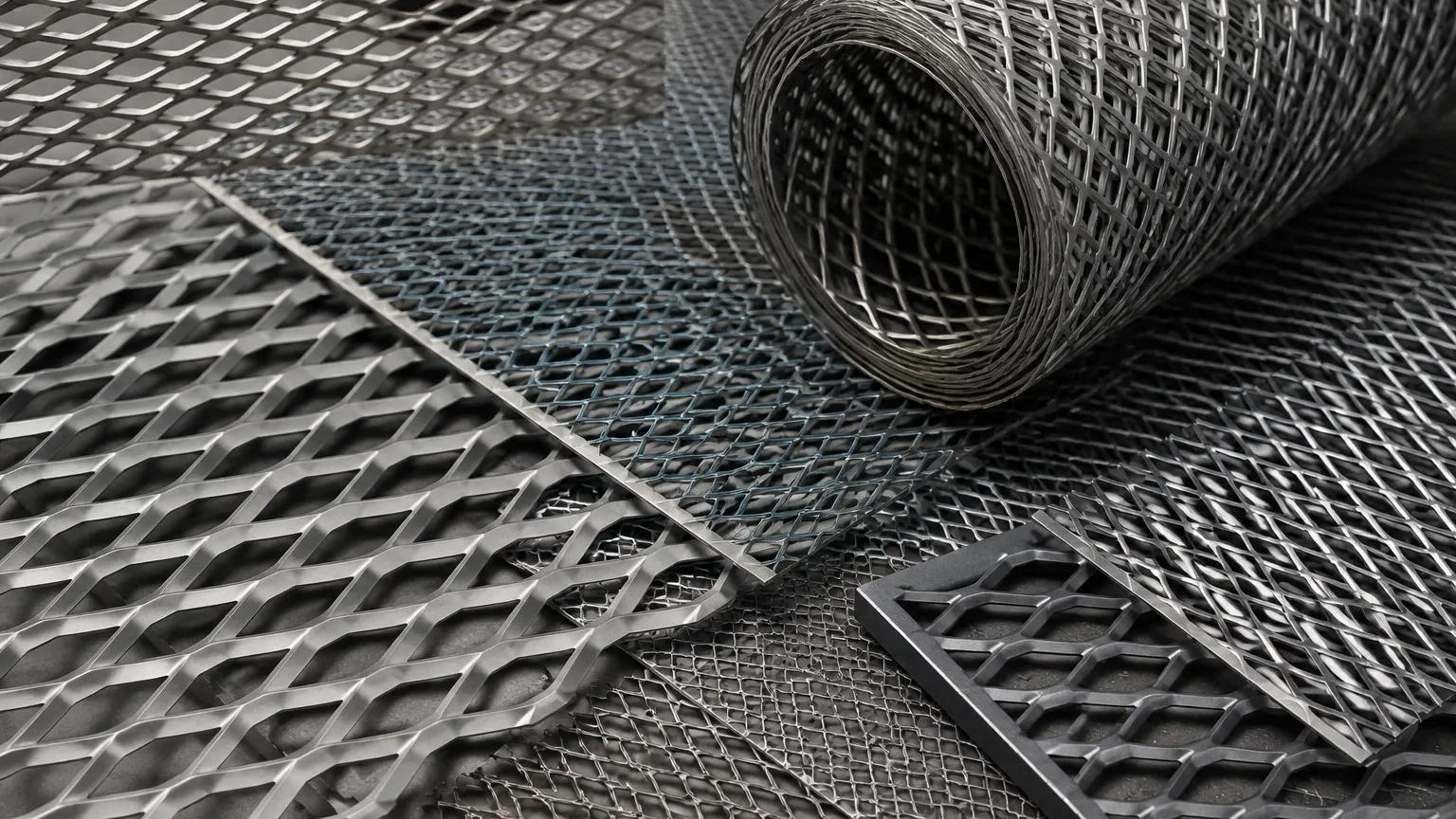
In industrial engineering and structural design, the selection of materials for walkways, security barriers, and filtration supports requires a balance between weight, strength, and cost-efficiency. Mentex expanded metal is a specialized form of expanded metal that has become a benchmark in the industry for providing high-strength, slip-resistant surfaces and robust structural components. Unlike perforated metal, which is created by punching holes and discarding the resulting slugs, expanded metal is manufactured by slitting and stretching a single sheet of metal simultaneously. This process creates a diamond-shaped pattern without any material waste, ensuring structural integrity while optimizing material usage.
For engineers and procurement teams, understanding the technical nuances of mentex expanded metal is essential for ensuring safety and performance in demanding environments. Whether the application involves heavy-duty industrial flooring or precision-engineered support for filtration systems, selecting the correct gauge, strand width, and material composition is critical to the longevity of the installation.
Understanding the Geometry and Manufacturing of Expanded Metal
The manufacturing process of expanded metal defines its mechanical properties. A solid sheet of metal—typically mild steel, stainless steel, or aluminum—is fed through a machine that slits and expands the material in a single motion. This results in a continuous, jointless mesh where the strands are set at a sharp angle to the plane of the sheet.
Standard (Raised) vs. Flattened Expanded Metal
Mentex expanded metal is primarily available in two forms: standard and flattened.
1. Standard (Raised) Expanded Metal: This is the product as it comes off the expanding machine. The strands and bonds are set at a uniform angle, providing a three-dimensional texture. This raised profile is highly valued in industrial walkways and stair treads because it offers exceptional multi-directional grip and allows for the passage of air, light, and liquids.
2. Flattened Expanded Metal: To produce this, the standard expanded sheet is passed through a cold-rolled reducing mill. This process flattens the strands and bonds into the same plane, resulting in a smooth, level surface. Flattened expanded metal is often used in applications where a smooth finish is required, such as in security screens, partitions, or as a substrate for Perforated & Expanded Metal components in filtration systems.
Key Dimensional Terminology
When specifying mentex expanded metal, engineers must use standardized terminology to ensure accuracy:
* SWD (Short Way of Design): The distance from the center of one bond to the center of the next bond across the short diamond axis.
* LWD (Long Way of Design): The distance from the center of one bond to the center of the next bond across the long diamond axis.
* Strand Width: The amount of metal fed into the machine between slits.
* Strand Thickness: The thickness of the original base metal sheet.
Technical Specifications and Material Selection
The performance of mentex expanded metal is heavily dependent on the material grade and the specific series selected. In the context of industrial filtration and structural support, material compatibility is the first line of defense against premature failure.
Common Material Grades
* Mild Steel: The most common choice for general industrial use, particularly for walkways and safety barriers. It is often galvanized or painted to prevent corrosion.
* Stainless Steel (304 and 316): Essential for chemical processing, food and beverage, and pharmaceutical industries. Stainless steel mentex expanded metal offers superior resistance to oxidation and chemical attack, making it suitable for harsh environments where hygiene and durability are paramount.
* Aluminum: Used where weight reduction is a priority, such as in architectural facades or aerospace components, though it offers lower load-bearing capacity compared to steel.
The Mentex Series System
Mentex products are often categorized by series numbers that correlate to their weight and strength. For example, the "300 series" (such as Mentex 300 or 301) is frequently specified for heavy-duty walkways and industrial flooring. These profiles are designed to handle significant point loads while maintaining a high open-area percentage for drainage. Conversely, lighter series are utilized for machine guarding or as internal reinforcement for composite materials.
Engineering Considerations for Load-Bearing and Safety
One of the primary reasons for selecting mentex expanded metal over traditional solid plate or bar grating is its strength-to-weight ratio. Because the mesh is made from a single piece of metal, there are no welds to break or rivets to shear. The interconnected diamonds act as a structural truss, distributing loads across the entire sheet.
Load Distribution and Deflection
When designing a walkway or platform, engineers must calculate the maximum allowable deflection based on the span between supports. The orientation of the sheet is critical: the LWD (Long Way of Design) should typically run across the span (perpendicular to the supports) to maximize the load-bearing capacity. If the sheet is oriented incorrectly, the structural integrity of the platform may be compromised, leading to unsafe sagging or failure under load.
Anti-Slip Properties
In industrial environments prone to oil spills, moisture, or debris, the raised profile of standard mentex expanded metal provides inherent anti-slip properties. The sharp edges of the expanded strands bite into footwear, providing a secure footing. This makes it an ideal material for stair treads and inclined ramps in mining, oil and gas, and manufacturing facilities.
The Role of Perforated & Expanded Metal in Industrial Filtration
While mentex expanded metal is widely recognized for its structural uses, it plays a vital role in the field of industrial filtration. Manufacturers like Kaifil utilize expanded metal as a core component in the construction of high-performance filter cartridges and strainers.
Structural Support for Filter Media
Fine wire mesh and synthetic filter media often lack the structural rigidity to withstand high-pressure differentials. In these cases, expanded metal serves as a robust support cage. By wrapping the filter media around a cylindrical expanded metal core, the filter can maintain its shape even under significant hydraulic or pneumatic stress. The diamond pattern ensures that the maximum surface area of the filter media remains exposed to the fluid flow, minimizing pressure drop.
Pre-Filtration and Protection
In some water treatment and chemical processing applications, expanded metal acts as a primary screen to remove large debris before the fluid reaches more delicate filtration stages. The choice of Perforated & Expanded Metal allows for precise control over the size of particles captured, protecting downstream equipment from damage.
Common Risks and Quality Evaluation Criteria in Procurement
Procuring mentex expanded metal requires careful attention to quality standards to avoid common pitfalls that can lead to project delays or safety hazards. Engineers should evaluate the following criteria before finalizing a purchase:
1. Edge Uniformity and Burrs
The expansion process naturally creates sharp edges. While this is beneficial for slip resistance, excessive burrs or irregular edges can pose a safety risk during installation and may interfere with the fit of the material into frames. High-quality manufacturing ensures that the edges are clean and the diamond pattern is consistent across the entire sheet.
2. Flatness and Camber
For flattened expanded metal, the sheet must be truly flat without significant "camber" (a bow in the sheet). If a sheet has excessive camber, it will be difficult to weld into a frame or align with adjacent panels. This is particularly important in architectural applications or when using expanded metal as a support for precision filter components.
3. Material Certification
In industries such as pharmaceutical or food processing, material traceability is mandatory. Procurement teams must ensure that the supplier provides mill test reports (MTRs) confirming the chemical composition and mechanical properties of the steel. Using a lower-grade stainless steel than specified can lead to rapid corrosion and system contamination.
Customization and OEM Solutions for Specialized Environments
No two industrial applications are identical, and often, standard off-the-shelf expanded metal dimensions do not meet specific engineering requirements. Customization is a key factor in optimizing filtration performance and structural efficiency.
Tailored Mesh Configurations
Manufacturers can adjust the slit length and expansion width to create custom mesh sizes. This allows for specific open-area percentages, which is crucial for balancing airflow in cooling systems or flow rates in hydraulic filters. For OEM applications, expanded metal can be produced in specific coil widths or cut-to-size pieces to reduce waste and streamline the assembly process.
Specialized Coatings and Finishes
Beyond standard galvanizing, mentex expanded metal can be treated with specialized coatings such as epoxy powders or PTFE to enhance chemical resistance. In the food industry, electropolishing stainless steel expanded metal is a common requirement to ensure a smooth, easy-to-clean surface that prevents bacterial growth.
Conclusion: Confirming Requirements for Project Success
Before proceeding with the procurement of mentex expanded metal, engineers and purchasing managers should confirm several key factors to ensure the material is fit for purpose:
* Load Requirements: What is the maximum point load or distributed load the material must support?
* Environmental Factors: Will the material be exposed to corrosive chemicals, extreme temperatures, or high humidity?
* Orientation: Has the LWD been correctly specified relative to the support structure?
* Filtration Accuracy: If used as a support, does the expanded metal provide sufficient open area to maintain flow rates without sacrificing strength?
By addressing these technical considerations and partnering with a manufacturer that understands the complexities of Perforated & Expanded Metal, industrial operations can achieve a balance of safety, durability, and cost-effectiveness. Whether it is for a heavy-duty industrial walkway or a precision stainless steel filter cartridge, mentex expanded metal remains a foundational material in modern engineering.
