


Perforated Metal Color
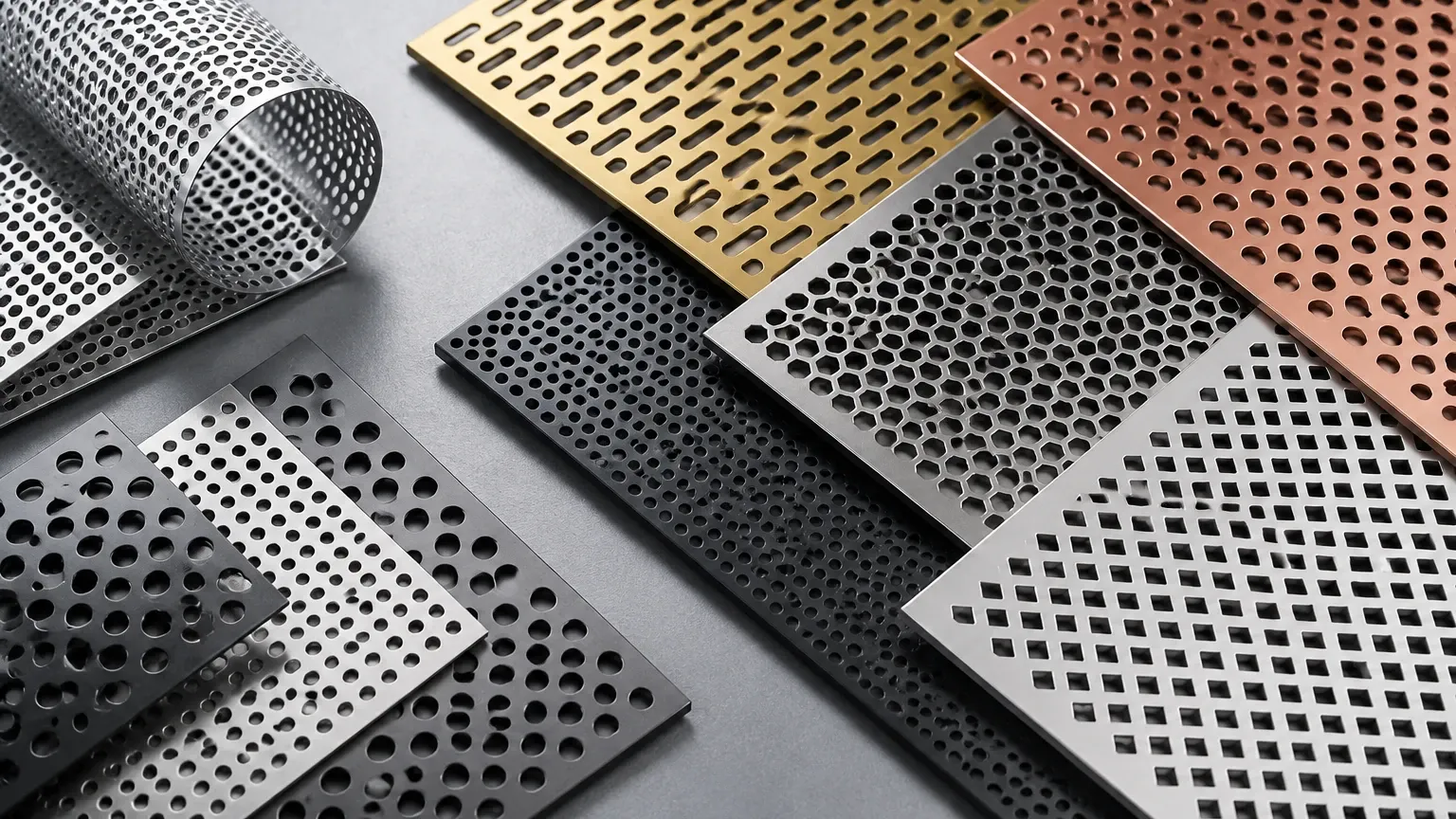
In industrial and architectural engineering, the selection of Perforated & Expanded Metal involves more than just determining hole patterns, open area percentages, and gauge thickness. The surface finish, specifically the perforated metal color and the coating technology used to achieve it, plays a critical role in the component's longevity, chemical resistance, and thermal performance. For engineers and procurement specialists, understanding the technical nuances of coloring processes is essential to ensure that the material survives the rigors of its intended environment, whether it is a high-temperature chemical reactor or a high-traffic architectural facade.
While stainless steel is often favored for its natural corrosion resistance in filtration applications, many industrial projects require additional surface treatments. These treatments provide color coding for safety, enhanced UV protection, or specific aesthetic integration. This guide examines the engineering considerations behind perforated metal color, the coating technologies available, and the criteria for selecting the right finish for demanding industrial applications.
The Functional Role of Color in Industrial Perforated Metal
In a B2B context, the choice of perforated metal color is rarely purely aesthetic. Surface finishes serve several functional purposes that directly impact the performance of the metal substrate:
1. Corrosion Protection: Many coloring processes, such as powder coating or PVDF (Polyvinylidene Fluoride) finishes, provide a physical barrier against moisture, salts, and industrial chemicals. This is particularly vital for carbon steel components that would otherwise oxidize rapidly.
2. Safety and Identification: In large-scale industrial facilities, color-coded perforated guards or screens are used to denote specific hazards or to identify different stages of a processing line. Bright safety colors (such as RAL 1021 yellow) are standard for machinery guards to ensure high visibility.
3. Thermal Management: The color of a perforated panel affects its solar heat gain coefficient (SHGC) and emissivity. Darker colors absorb more thermal energy, which may be a disadvantage in outdoor enclosures but an advantage in certain heat-exchange applications.
4. Light Diffusion and Glare Reduction: In architectural filtration or screening, specific matte colors are used to minimize light reflection, which is critical in environments where precision monitoring equipment is used.
Coating Technologies for Achieving Perforated Metal Color
Achieving a durable perforated metal color requires a process that can uniformly coat the complex geometry of the metal, including the interior edges of the perforated holes. The following are the most common industrial methods:
Powder Coating
Powder coating is the most versatile method for coloring perforated metal. It involves applying a dry powder—typically a thermoplastic or a thermoset polymer—electrostatically and then curing it under heat. This process creates a hard finish that is tougher than conventional paint. For perforated materials, powder coating is excellent because it provides superior edge coverage, ensuring that the sharp edges created during the punching process are fully encapsulated and protected from corrosion.
Anodizing
Primarily used for aluminum substrates, anodizing is an electrochemical process that converts the metal surface into a decorative, durable, corrosion-resistant, anodic oxide finish. Because the oxide layer is integrated with the underlying aluminum substrate, it cannot peel or flake. Anodizing allows for a range of metallic colors, such as bronze, gold, and black, while maintaining the metallic texture of the material.
PVDF (Kynar 500/Hylar 5000)
PVDF coatings are high-performance resin-based coatings designed for extreme outdoor environments. They offer exceptional color retention and resistance to UV radiation, chalking, and chemical airborne pollutants. For large-scale industrial projects where maintenance cycles must be minimized, PVDF is often the preferred choice for colored Perforated & Expanded Metal panels.
Electropolishing and PVD Coating
For stainless steel filtration components, where hygiene and smoothness are paramount, electropolishing is the standard. While it does not "color" the metal in the traditional sense, it provides a bright, mirror-like finish. For actual color on stainless steel, Physical Vapor Deposition (PVD) can be used to create thin, hard ceramic coatings in shades like titanium gold or rose copper without compromising the precision of the filtration mesh.
Material Compatibility and Engineering Selection
The base material of the perforated metal significantly influences the success of the coloring process. Engineers must match the coating technology to the substrate to prevent adhesion failure or galvanic corrosion.
* Stainless Steel: Typically utilized for its inherent properties in filtration. If color is required, PVD or specialized epoxy powder coatings are used. It is essential to ensure that the coating does not clog fine perforations or alter the filtration rating.
* Aluminum: The most compatible material for coloring. It accepts anodizing, powder coating, and PVDF exceptionally well. Its lightweight nature makes it ideal for colored architectural screens.
* Carbon Steel: Must be coated to prevent rust. Often galvanized before being powder coated (a "duplex system") to provide maximum durability in harsh environments.
When specifying perforated metal color, engineers must consider the "Open Area" of the pattern. High open-area percentages (above 50%) mean there is less surface area for the coating to adhere to, which can make color consistency more difficult to maintain across a large installation. Furthermore, the thickness of the coating (measured in mils or microns) must be accounted for in the final dimensions of the holes, as a heavy powder coat can reduce the effective hole diameter, potentially impacting flow rates in filtration applications.
Factors Influencing Color Consistency and Quality
Maintaining a uniform perforated metal color across different production batches is a common challenge in B2B procurement. Several technical factors can cause color shifts:
1. Batch Variation: Minor fluctuations in the chemical composition of the powder or dye can lead to visible differences. It is recommended to order the entire quantity for a project from a single production run.
2. Application Thickness: If the coating is applied too thickly on one section and too thinly on another, the light reflection will differ, causing the color to appear uneven. This is especially prevalent in perforated materials where the holes can cause "Faraday cage" effects during electrostatic spraying, leading to thinner coverage on the hole interiors.
3. Curing Temperatures: In powder coating, if the curing oven temperature is not perfectly regulated, the resin may over-bake or under-bake, altering the final hue and gloss level.
4. Substrate Texture: The surface roughness of the metal before coating affects how the color is perceived. A sandblasted surface will result in a more matte finish than a smooth, cold-rolled surface.
To mitigate these risks, technical professionals should specify colors using standardized systems such as the RAL Color Space System or Pantone (PMS). Requesting a "control sample" or "limit samples" (showing the maximum allowable deviation in hue and gloss) is a standard quality control step in the procurement of industrial perforated components.
Environmental and Performance Evaluation
Before finalizing a perforated metal color and finish, the following performance criteria should be evaluated based on the application's environment:
* UV Resistance: For outdoor applications, coatings must be rated for UV stability to prevent fading (color shift) and chalking (degradation of the resin). PVDF and "super-durable" TGIC polyesters are the industry standards here.
* Salt Spray Testing (ASTM B117): This test determines how long the colored coating can withstand a corrosive saline environment. For coastal or marine filtration applications, a rating of 1,000 to 3,000 hours is often required.
* Adhesion (ASTM D3359): This evaluates how well the coating sticks to the perforated substrate. In applications involving high vibration or mechanical stress, high adhesion is critical to prevent the coating from flaking and contaminating the process fluid.
* Chemical Compatibility: In chemical processing, the perforated metal color must be achieved through a medium that is inert to the specific chemicals present in the environment. For example, some polyester powder coats may degrade when exposed to certain solvents or strong acids.
Maintenance and Lifecycle Considerations
The total cost of ownership for colored Perforated & Expanded Metal is heavily influenced by its maintenance requirements. While a natural stainless steel finish may require periodic pickling or passivation, colored coatings require specific cleaning protocols to maintain their integrity.
Abrasive cleaners or high-pressure power washers can damage the surface of the coating, leading to premature failure. Instead, mild detergents and soft cloths are typically recommended. In industrial filtration, if the perforated metal is part of a self-cleaning system, the coating must be hard enough to withstand the mechanical action of scrapers or backwash pressures without eroding the color layer.
Furthermore, engineers should consider the ease of repair. Powder-coated surfaces are difficult to touch up on-site, whereas liquid-painted surfaces can be more easily repaired but offer less initial durability. For critical infrastructure, the longevity of the color finish should match the expected service life of the mechanical component to avoid the high costs of mid-cycle replacement.
Conclusion
Selecting the appropriate perforated metal color is a multi-faceted engineering decision that impacts the durability, safety, and efficiency of industrial systems. By understanding the strengths and limitations of powder coating, anodizing, and PVDF, and by strictly adhering to quality standards like RAL matching and ASTM testing, procurement teams can ensure their filtration and screening components perform reliably over their intended lifespan.
As a specialist in stainless steel filtration solutions, Kaifil provides the technical expertise necessary to navigate these choices, ensuring that every customized component—whether natural or colored—meets the precise demands of the application. When performance is non-negotiable, the integration of high-quality materials with advanced finishing techniques is the only way to achieve optimal results.
