


Perforated Metal Garage Door
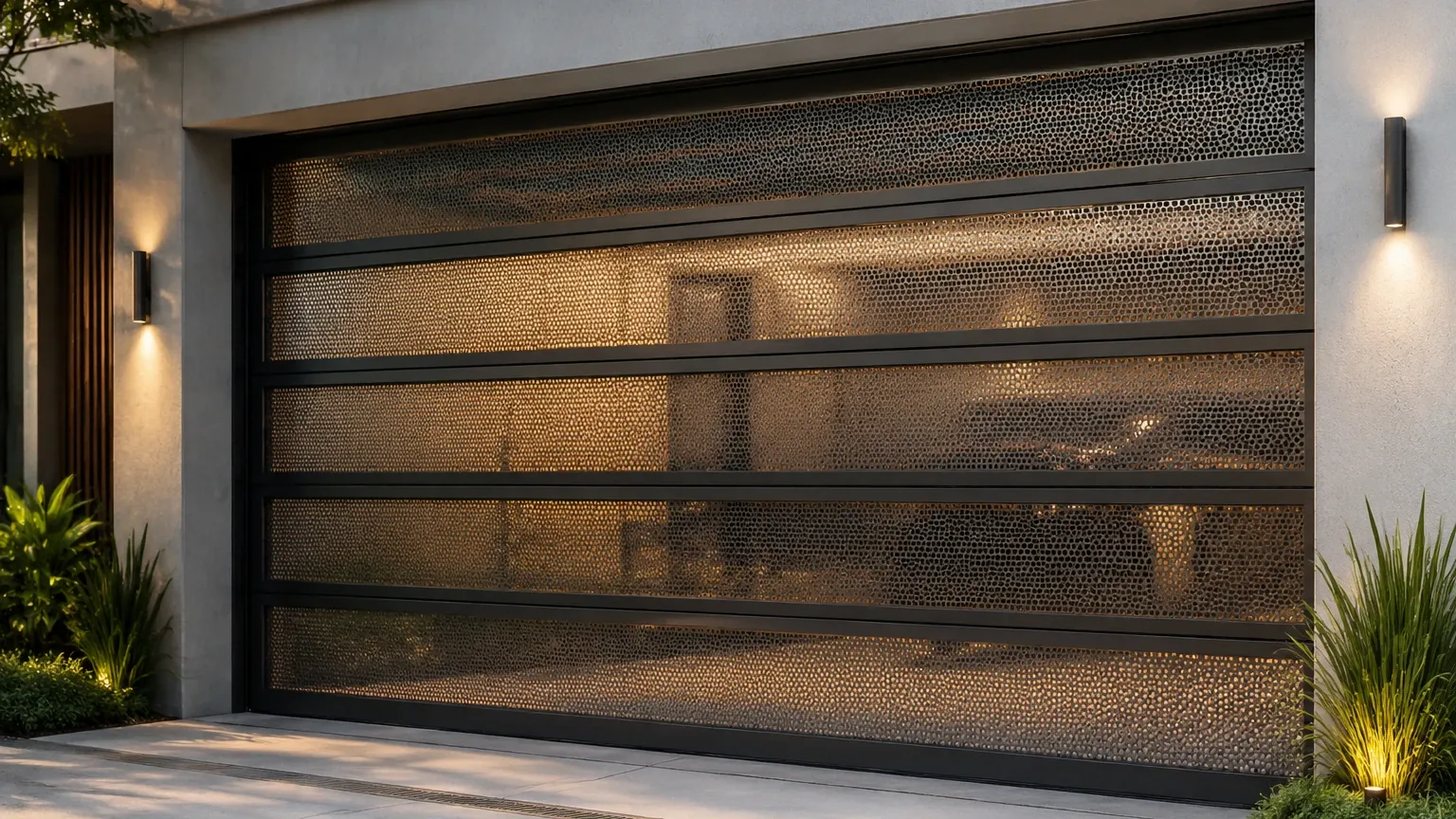
In industrial and commercial architecture, the selection of door materials is a critical engineering decision that impacts facility ventilation, security, and long-term maintenance costs. A perforated metal garage door offers a specialized solution for environments where traditional solid-panel doors or standard rolling shutters fail to meet specific technical requirements. By utilizing precision-engineered Perforated & Expanded Metal, facility managers and engineers can achieve a balance between physical protection and environmental control.
This guide examines the technical specifications, material considerations, and engineering advantages of integrating perforated metal into garage door systems, focusing on the needs of industrial sectors such as chemical processing, food and beverage, and pharmaceutical manufacturing.
Engineering Considerations for Perforated Metal Panels
The performance of a perforated metal garage door is primarily determined by the physical characteristics of the metal sheet used in its construction. Unlike standard residential doors, industrial applications require high-strength alloys and specific perforation patterns to withstand mechanical stress and environmental exposure.
Material Selection: Stainless Steel vs. Aluminum
While aluminum is often used for its lightweight properties, stainless steel is the preferred material for high-demand industrial environments. Kaifil specializes in custom stainless steel solutions, typically utilizing Grade 304 or Grade 316 stainless steel.
* Grade 304: Suitable for most general industrial applications, providing excellent corrosion resistance and structural integrity.
* Grade 316: Essential for facilities dealing with chemical processing or coastal environments where chloride exposure is high. The addition of molybdenum enhances resistance to pitting and crevice corrosion.
Hole Patterns and Open Area Percentages
The "open area" refers to the percentage of the sheet that is removed during the perforation process. This is a critical metric for engineers calculating airflow and light transmission. Common patterns include:
* Round Holes (Staggered or Straight): The most versatile pattern, offering a high strength-to-weight ratio.
* Square Holes: Provide a higher open area percentage, which is ideal for maximum ventilation but may slightly reduce the overall rigidity of the panel.
* Slotted Holes: Often used when specific directional airflow or aesthetic requirements are prioritized.
Performance Benefits in Industrial Environments
Integrating a perforated metal garage door into a facility provides several functional advantages that go beyond simple entry and exit. These benefits are particularly relevant in sectors where air quality and temperature regulation are paramount.
Optimized Airflow and Ventilation
In facilities housing heavy machinery, hydraulic systems, or chemical processes, heat buildup is a constant challenge. Perforated panels allow for natural ventilation, reducing the load on HVAC systems and helping to dissipate fumes or airborne particulates. Engineers must calculate the required CFM (Cubic Feet per Minute) of airflow to determine the appropriate open area percentage for the door panels.
Security and Visibility
A perforated metal garage door provides a unique security advantage: it allows for visual monitoring of the facility exterior while maintaining a physical barrier. The small aperture size of the perforations prevents unauthorized personnel from reaching through the door or inserting tools to bypass internal locking mechanisms. Furthermore, the transparency provided by the perforations improves safety for forklift operators and personnel moving near the door threshold by increasing visibility of oncoming traffic.
Durability and Impact Resistance
Industrial doors are subject to high cycles of operation and potential impact from equipment. Stainless steel perforated sheets offer superior impact resistance compared to plastic or thin-gauge aluminum alternatives. The structural rigidity of the metal ensures that the door maintains its shape and functionality even under significant wind loads or minor mechanical stress.
Customization and OEM Fabrication Capabilities
Every industrial facility has unique spatial and operational constraints. Standard off-the-shelf solutions rarely meet the precise needs of a specialized production line or a high-security pharmaceutical warehouse. Customization is where the expertise of a manufacturer like Kaifil becomes essential.
Precision Dimensions and Gauges
Engineers must specify the gauge (thickness) of the metal based on the door's total surface area and the expected wind load. Thicker gauges provide more security but increase the weight of the door, requiring more robust motor operators and counterbalancing systems. Custom fabrication allows for the production of panels that fit specific frame dimensions without the need for on-site cutting, which can compromise the material's protective coatings.
Edge Treatments and Mounting Holes
To ensure a seamless installation, perforated panels can be fabricated with solid margins (unperforated edges) and pre-drilled mounting holes. This precision engineering reduces installation time and ensures that the structural integrity of the door frame is maintained. Custom borders also help in preventing the accumulation of debris in the edges of the perforation pattern, which is a critical consideration in food and beverage applications where hygiene is a priority.
Comparing Perforated vs. Expanded Metal for Door Inlays
When designing a metal garage door, engineers often choose between perforated metal and expanded metal. While they may appear similar, their manufacturing processes and mechanical properties differ significantly.
Perforated Metal
Perforated metal is created by punching holes into a solid sheet. This process allows for extreme precision in hole size and placement. It is the ideal choice when a specific open area percentage is required for airflow calculations or when a smooth, flat surface is necessary for aesthetic or safety reasons.
Expanded Metal
Expanded metal is produced by slitting and stretching a single sheet of metal, creating a diamond-shaped pattern. This process involves no waste, making it a cost-effective alternative. However, expanded metal has a raised profile that can trap dust and is generally more difficult to clean than perforated metal. For high-hygiene environments like pharmaceutical or food processing plants, perforated stainless steel is typically the superior choice due to its ease of sterilization.
For more detailed technical data on material comparisons, engineers can Review product options and application support to determine which configuration suits their specific load-bearing and environmental requirements.
Selection Criteria for Engineers and Purchasing Teams
Before procuring a perforated metal garage door, purchasing teams and engineering departments should confirm several key factors to ensure the product meets the long-term needs of the project.
1. Environmental Compatibility: Does the facility handle corrosive chemicals? If so, SS316 is mandatory. Is the door exposed to high winds? This will dictate the required metal gauge and reinforcement structure.
2. Filtration and Pest Control: In food-grade environments, the perforation size must be small enough to prevent the entry of insects and rodents while still allowing for adequate airflow.
3. Total Cost of Ownership (TCO): While stainless steel perforated doors have a higher initial capital expenditure than standard steel or plastic doors, their lifespan and low maintenance requirements often result in a lower TCO. They do not require frequent painting and are highly resistant to the mechanical wear associated with high-cycle industrial use.
4. Integration with Existing Systems: Ensure that the weight of the custom perforated panels is compatible with existing door tracks, springs, and motor operators if retrofitting an old system.
Installation and Maintenance Recommendations
To maximize the service life of a perforated metal garage door, proper installation and a consistent maintenance schedule are required.
Installation Best Practices
Panels should be mounted using stainless steel fasteners to prevent galvanic corrosion, which occurs when dissimilar metals come into contact in the presence of moisture. Furthermore, ensuring that the panels are perfectly aligned within the door frame prevents uneven stress distribution during operation, which can lead to premature metal fatigue around the perforation points.
Maintenance and Cleaning
One of the primary advantages of stainless steel perforated metal is its ease of maintenance. In industrial settings, dust and particulate matter can accumulate in the perforations. Regular cleaning with high-pressure air or water is usually sufficient to maintain airflow. In pharmaceutical or food-grade applications, the smooth surface of the perforated metal allows for the use of industrial-grade disinfectants without the risk of degrading the material.
Replacement Cycles
Unlike fabric or plastic doors that may tear or degrade under UV exposure, a stainless steel perforated door is designed for decades of use. Replacement cycles are typically dictated by changes in facility requirements or accidental mechanical damage rather than material failure. However, regular inspection of the attachment points and the integrity of the perforation margins is recommended annually.
Conclusion
The implementation of a perforated metal garage door is a strategic investment in facility infrastructure. By selecting the correct material grade, perforation pattern, and gauge, engineers can solve complex challenges related to ventilation, security, and durability. As a professional manufacturer, Kaifil provides the technical expertise and custom manufacturing capabilities necessary to deliver high-performance metal filtration and structural components that meet the rigorous standards of modern industry.
