


Perforated Metal Grid Ceiling
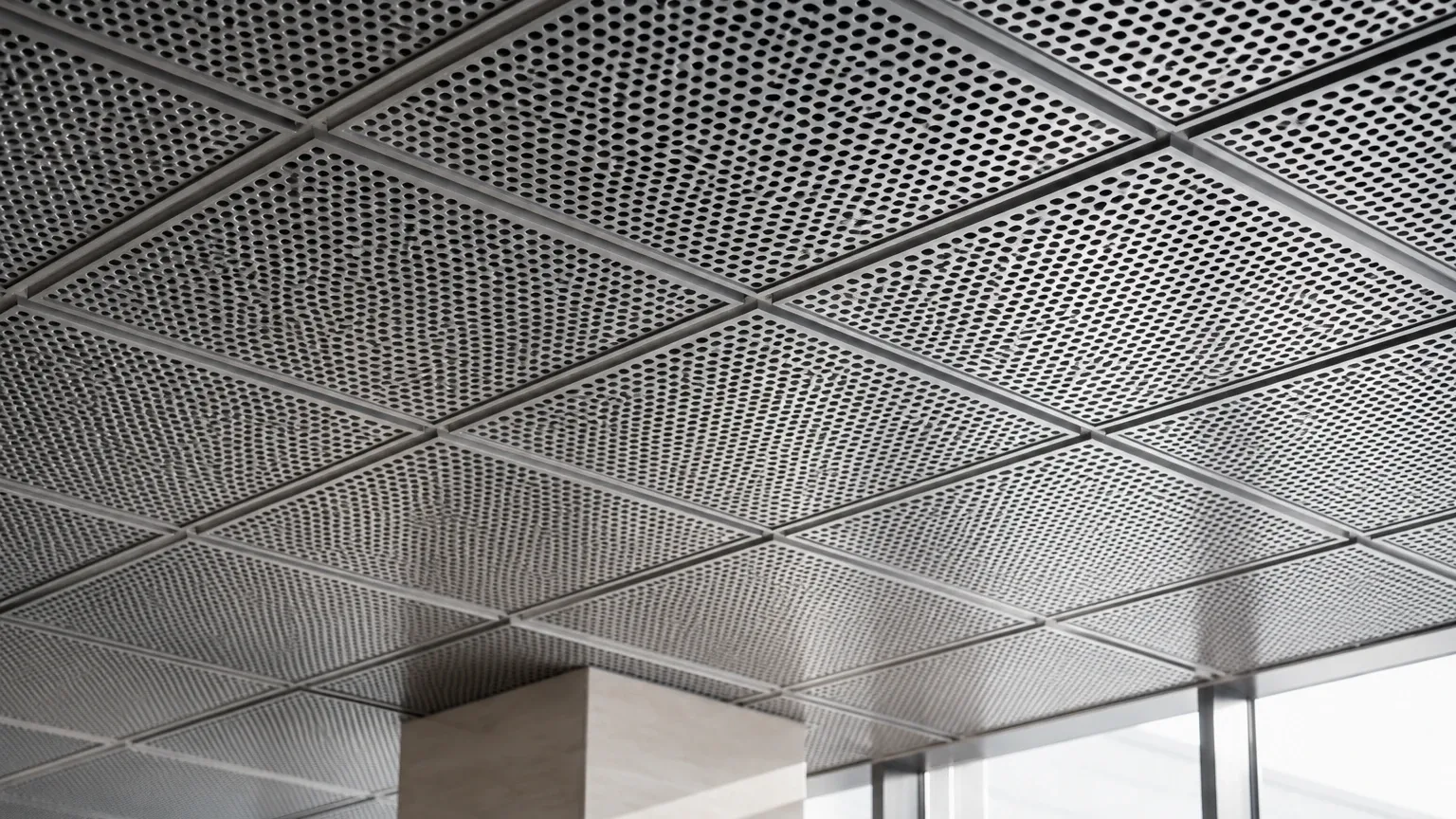
In modern industrial and commercial architecture, the ceiling is no longer viewed merely as a structural enclosure but as a functional component that must manage acoustics, airflow, and safety requirements. A perforated metal grid ceiling represents a sophisticated engineering solution that addresses these needs through precision manufacturing. By utilizing specialized Perforated & Expanded Metal, engineers can create overhead systems that offer high durability, fire resistance, and optimized air distribution.
Selecting the right perforated metal grid ceiling involves understanding the technical interplay between material properties, perforation patterns, and structural support systems. This guide examines the engineering considerations, material science, and performance metrics essential for specifying these systems in demanding environments.
Technical Foundations of Perforated Metal Grid Ceilings
The core of any perforated metal grid ceiling is the metal panel itself, which is typically fabricated from stainless steel, aluminum, or galvanized steel. The manufacturing process involves punching a series of holes into the sheet metal using high-speed CNC presses or laser cutting tools. This process creates a functional surface that allows for the passage of air, light, and sound while maintaining the structural integrity of the panel.
In industrial contexts, the choice of material is the primary driver of longevity. Stainless steel is often preferred for facilities where chemical resistance or high-moisture environments are present, such as in food processing plants or pharmaceutical laboratories. The use of Perforated & Expanded Metal ensures that the ceiling can withstand rigorous cleaning protocols without the risk of oxidation or structural degradation.
Open Area and Perforation Patterns
The "open area" of a perforated panel is the percentage of the sheet that is occupied by holes. This is a critical metric for engineers because it determines the ceiling's performance in terms of ventilation and acoustics. Common patterns include:
* Round Holes: The most versatile and cost-effective pattern, offering high structural strength and a wide range of open area percentages.
* Square Holes: Often used for higher open area requirements, allowing for maximum airflow but requiring careful consideration of panel rigidity.
* Slotted or Decorative Patterns: Used when specific aesthetic requirements must be met alongside functional ventilation.
For a standard perforated metal grid ceiling, an open area of 15% to 40% is common, though custom industrial applications may require higher percentages for specialized HVAC integration.
Acoustic Engineering and Sound Management
One of the primary reasons for specifying a perforated metal grid ceiling in B2B environments—such as data centers, transport hubs, and manufacturing floors—is acoustic control. Hard, flat surfaces reflect sound, leading to high reverberation times that can interfere with communication and worker safety.
Perforated panels act as a conduit for sound waves. When sound hits the panel, it passes through the perforations rather than bouncing off the metal surface. To achieve high Noise Reduction Coefficient (NRC) ratings, an acoustic absorbent material, such as mineral wool or a non-woven acoustic fleece, is typically placed behind the perforated metal.
Engineers must calculate the relationship between the hole diameter, the pitch (the distance between hole centers), and the thickness of the absorbent backing. A well-designed perforated metal grid ceiling can achieve NRC ratings of 0.70 to 0.95, significantly dampening ambient noise in high-traffic or machinery-heavy zones.
Airflow and HVAC Integration
In industrial facilities, thermal management is essential for both equipment longevity and personnel comfort. A perforated metal grid ceiling serves as a critical component of the building's HVAC strategy. Unlike solid gypsum or mineral fiber ceilings, perforated metal allows for "smoke-out" capabilities and efficient air return.
Convection and Air Distribution
By distributing perforations evenly across the ceiling plane, engineers can prevent the formation of "hot spots" in the room. In data centers, for example, perforated panels are used to manage the exhaust of hot air from server racks. The open area must be precisely calculated to match the CFM (Cubic Feet per Minute) requirements of the air handling units. If the open area is too low, static pressure increases, forcing the HVAC system to work harder and increasing energy costs. Conversely, if it is too high, the structural integrity of the grid may be compromised.
Structural Integrity and Grid Systems
The "grid" in a perforated metal grid ceiling refers to the suspension system that holds the panels in place. For industrial applications, the grid must be capable of supporting the weight of the metal panels, which are significantly heavier than standard acoustic tiles.
Suspension Methods
1. Lay-in (T-Grid) Systems: The most common approach where panels rest on an exposed or recessed T-bar grid. This allows for easy access to the plenum space above for maintenance of wiring and ductwork.
2. Clip-in Systems: Panels are snapped into a concealed spring tee runners. This creates a monolithic, seamless appearance and provides a more secure fit, which is often required in high-vibration environments or cleanrooms.
3. Hook-on Systems: These are used for large-format panels where frequent access is required. The panels hook onto a heavy-duty carrier system, providing a robust and stable installation.
When specifying Perforated & Expanded Metal for these systems, engineers must account for the gauge (thickness) of the metal. Thinner gauges reduce weight and cost but may lead to "oil canning" or sagging over time if the panel dimensions are too large. Standard thicknesses for industrial ceiling panels range from 0.6mm to 1.5mm depending on the material and span.
Durability and Maintenance in Industrial Environments
A significant advantage of a perforated metal grid ceiling over traditional materials is its lifecycle value. In a B2B setting, the total cost of ownership (TCO) is a primary concern. Metal ceilings are inherently more durable than mineral fiber or gypsum, which can sag, stain, or crumble when exposed to moisture or physical impact.
Maintenance Protocols
* Cleaning: Stainless steel and powder-coated aluminum panels can be wiped down with industrial cleaners without damaging the surface. This is vital in food and beverage production areas where hygiene is a regulatory requirement.
* Access: Because metal panels are rigid, they can be removed and replaced repeatedly without the edges fraying or breaking, ensuring that the plenum remains accessible for the life of the building.
* Fire Safety: Metal is non-combustible. Perforated metal ceilings contribute to a higher fire safety rating for the building, as they do not contribute fuel to a fire and allow smoke to rise into the plenum where it can be managed by extraction systems.
Customization and OEM Manufacturing Considerations
For many industrial projects, standard off-the-shelf ceiling panels are insufficient. Customization is often required to accommodate specific lighting fixtures, fire sprinkler heads, or unique room geometries. Working with a manufacturer like Kaifil allows for the development of bespoke Perforated & Expanded Metal solutions tailored to the project's exact technical specifications.
Engineering Check-list for Custom Orders
Before finalizing a specification for a perforated metal grid ceiling, purchasing teams and engineers should confirm the following:
1. Material Grade: Is 304 stainless steel sufficient, or does the environment require 316 for superior corrosion resistance?
2. Perforation Accuracy: What are the tolerances for the hole diameters and margins? Precise margins are necessary to ensure the panels sit flush within the grid.
3. Finish Requirements: Does the panel require a specific powder coating for chemical resistance, or is a brushed stainless finish preferred for a cleanroom environment?
4. Load Calculations: Has the suspension system been rated for the specific weight of the perforated metal panels plus any additional loads (e.g., insulation or light fixtures)?
Conclusion: The Strategic Value of Metal Grid Ceilings
The implementation of a perforated metal grid ceiling is a strategic decision that impacts the acoustic, thermal, and structural performance of an industrial facility. By leveraging the properties of Perforated & Expanded Metal, engineers can design spaces that are not only functional and safe but also cost-effective over their entire operational lifespan.
Whether the goal is to reduce noise in a manufacturing plant or to ensure cleanroom compliance in a pharmaceutical lab, the technical precision of perforated metal provides a level of reliability that traditional ceiling materials cannot match. As industrial requirements continue to evolve toward higher efficiency and stricter safety standards, the role of custom-engineered metal filtration and structural components remains central to modern facility design.
