


Perforated Metal Sheet Mitre 10
In the realm of industrial design and filtration, selecting the correct substrate is fundamental to the performance and longevity of a system. Perforated metal sheets are among the most versatile components used across various sectors, from architectural facades to high-precision chemical strainers. For many small-scale projects or general maintenance tasks, professionals and DIY enthusiasts alike may look toward retail options like a perforated metal sheet mitre 10. While retail hardware stores provide accessible solutions for general-purpose applications, industrial-scale operations require a deeper understanding of material science, precision engineering, and customization capabilities that go beyond off-the-shelf availability.
This guide explores the technical parameters of perforated and expanded metal, the critical differences between retail-grade and industrial-grade supplies, and how engineers can determine the best filtration or structural solution for their specific application.
Understanding the Basics of Perforated Metal
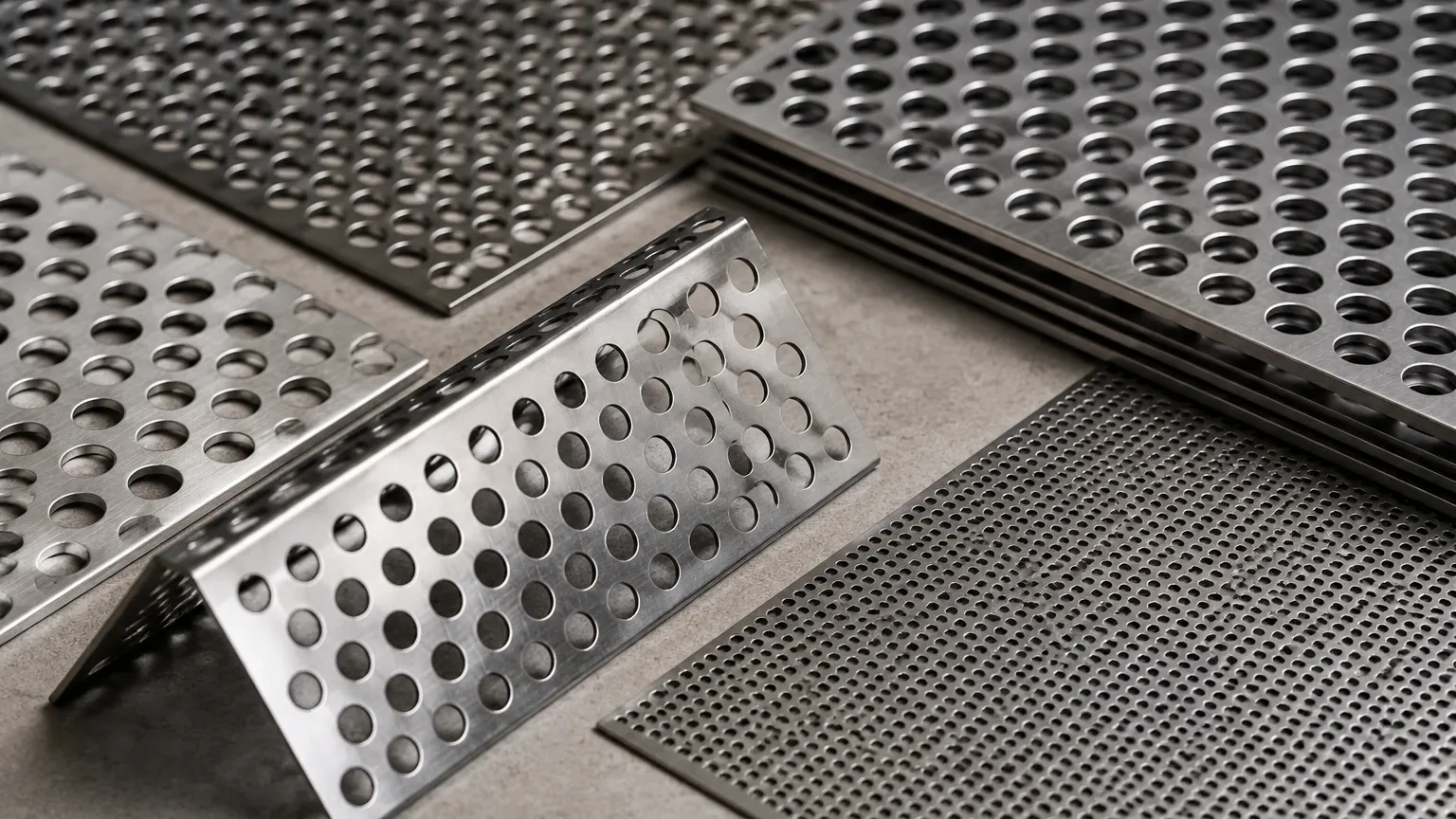
Perforated metal is a sheet of material—typically stainless steel, aluminum, or carbon steel—that has been mechanically or laser-stamped to create a pattern of holes, slots, or decorative shapes. The primary function of these perforations is to allow the passage of light, air, liquid, or sound while maintaining a structural barrier.
In industrial filtration, the perforation pattern is not merely aesthetic; it is an engineered feature that determines the flow rate, pressure drop, and particle retention of a system. When evaluating a perforated metal sheet mitre 10 for a project, it is essential to recognize that retail products are often standardized to common patterns, such as round holes in a staggered layout. While these are sufficient for vent covers or basic guards, they may not meet the exacting tolerances required for high-pressure hydraulic systems or sterile pharmaceutical processing.
Key Geometric Parameters
1. Hole Shape: Round holes are the most common due to their structural integrity and ease of manufacturing. However, square holes offer a higher open area, and slotted holes are often used for specific screening applications where elongated particles must be oriented in a certain direction.
2. Hole Diameter: This refers to the size of the individual opening. In filtration, this is the primary factor in determining the largest particle size that can pass through the medium.
3. Pitch: The distance from the center of one hole to the center of the adjacent hole. The pitch determines the density of the perforations.
4. Open Area Percentage: This is the ratio of the total area of the holes to the total area of the sheet. A higher open area allows for greater flow but reduces the structural strength of the sheet.
Retail vs. Industrial Sourcing: The Perforated Metal Sheet Mitre 10 Context
When a procurement team or an engineer searches for a perforated metal sheet mitre 10, they are typically looking for immediate availability and standard dimensions. Retail outlets like Mitre 10 serve a vital role in providing general-purpose materials for home improvement, light landscaping, and basic repair work. However, for B2B industrial applications, there are several limitations to retail-sourced materials that must be considered.
Material Grade and Certification
Industrial environments, particularly in chemical processing or marine applications, demand specific grades of stainless steel, such as 304 or 316L. Retail perforated sheets may not always provide the comprehensive material mill certifications required to prove corrosion resistance or compliance with food-grade (FDA) or pharmaceutical standards. Industrial manufacturers ensure that every batch of Perforated & Expanded Metal is traceable and meets international standards for alloy composition.
Precision and Tolerances
Standard retail sheets are manufactured to general commercial tolerances. In contrast, industrial filtration components require high precision in hole placement and margin consistency. If a perforated sheet is to be rolled into a filter cartridge and welded, the margins (the unperforated areas at the edges) must be exact to ensure a clean, strong seam. Industrial suppliers can customize these margins, whereas retail sheets are often perforated edge-to-edge or have uneven borders.
Customization Capabilities
While a perforated metal sheet mitre 10 comes in fixed sizes (e.g., 600mm x 900mm), industrial projects often require custom dimensions, specialized hole patterns, or secondary processes like degreasing, annealing, or specialized coatings. For engineers designing a custom piece of machinery, the ability to specify the exact hole pattern and sheet thickness is critical for optimizing performance.
Engineering Considerations for Filtration and Support
In many B2B applications, perforated metal serves as the primary filter medium or as a support structure for finer wire mesh. Choosing the right configuration involves several engineering trade-offs.
Flow Dynamics and Pressure Drop
The open area of a perforated sheet directly impacts the pressure drop across the filter. If the open area is too low, the system will experience high resistance, leading to increased energy consumption and potential pump failure. Conversely, if the open area is too high, the sheet may lack the mechanical strength to withstand the differential pressure, leading to deformation or "bursting."
Engineers must calculate the required flow rate and ensure the perforated substrate provides enough support for the filter mesh without significantly obstructing the flow. This is particularly important in high-viscosity applications like food processing (e.g., chocolate or syrup filtration) or hydraulic oil systems.
Mechanical Strength and Durability
Perforated metal is often subjected to mechanical stresses, including vibration, pressure pulses, and physical impact. The choice of material thickness (gauge) and the bridge width (the distance between holes) are vital. In a B2B context, the durability of the material affects the total cost of ownership. A thinner, cheaper retail sheet might fail prematurely under industrial loads, leading to costly downtime and replacement expenses.
Material Selection: Beyond the Basics
Selecting the right alloy is perhaps the most critical decision in the procurement of perforated metal. While aluminum and mild steel are common in retail environments, stainless steel remains the gold standard for industrial filtration.
* Stainless Steel 304: Offers excellent corrosion resistance and is suitable for most indoor and light outdoor applications. It is widely used in the food and beverage industry for non-acidic products.
* Stainless Steel 316L: Contains molybdenum, which provides superior resistance to chlorides and acids. This is the preferred choice for pharmaceutical manufacturing, chemical processing, and marine environments.
* Specialty Alloys: For extreme environments involving high temperatures or highly corrosive chemicals, materials like Monel, Inconel, or Titanium may be required. These are rarely found in retail settings and must be sourced through specialized industrial manufacturers.
Perforated vs. Expanded Metal: Which to Choose?
When looking for a perforated metal sheet mitre 10, buyers may also encounter expanded metal. While they may look similar from a distance, the manufacturing processes and physical properties differ significantly.
Perforated Metal is created by punching holes into a sheet, which removes material. This results in a flat, smooth surface that is easy to clean and offers precise control over hole size and placement. It is ideal for fine filtration and applications where a smooth surface is required to prevent particle entrapment.
Expanded Metal is made by slitting and stretching a single sheet of metal. This process creates diamond-shaped openings and does not result in any material waste. Expanded metal is generally more cost-effective and has a higher strength-to-weight ratio. However, it has a raised, textured surface that can be harder to clean and may cause more turbulence in fluid flow. It is often used as a protective guard or a coarse support layer in multi-stage filtration systems.
Customization and OEM Solutions
For original equipment manufacturers (OEMs), the ability to integrate perforated metal into a larger assembly is paramount. Unlike a standard perforated metal sheet mitre 10, industrial solutions can be tailored to fit specific housing dimensions or performance criteria.
Secondary Fabrication
Industrial suppliers provide more than just the raw sheet. They offer value-added services such as:
* Rolling and Welding: Transforming flat sheets into cylindrical filter baskets or tubes.
* Edge Treatment: Adding U-edging or specialized flanges for easy installation.
* Surface Finishing: Electropolishing to improve corrosion resistance and cleanability, or powder coating for aesthetic and protective purposes.
* Precision Cutting: Using CNC laser or waterjet cutting to ensure the perforated pattern aligns perfectly with the component's final shape.
Total Cost of Ownership (TCO)
While the initial price of a retail-sourced sheet may be lower, the TCO for industrial applications often favors custom-manufactured components. A custom-engineered perforated sheet is designed for a specific lifespan, reducing the frequency of replacements. Furthermore, precise filtration prevents downstream damage to expensive equipment, such as pumps and valves, ultimately saving the enterprise significant capital over time.
Conclusion: Making an Informed Decision
Whether you are an engineer designing a new filtration system or a purchasing manager sourcing replacement parts, understanding the limitations of retail products like a perforated metal sheet mitre 10 is essential. While retail options are excellent for quick fixes and non-critical applications, the rigors of industrial environments demand the precision, material integrity, and customization offered by professional manufacturers.
By focusing on the technical requirements of your application—such as open area, material grade, and mechanical load—you can ensure that your filtration solution provides reliable performance and long-term value. For those requiring specialized patterns or high-performance alloys, partnering with an industrial expert ensures that your components meet the necessary safety and quality standards for your industry. Reviewing professional options for Perforated & Expanded Metal is the first step toward optimizing your industrial processes and achieving superior filtration results.
