


Perforated Metal Vent
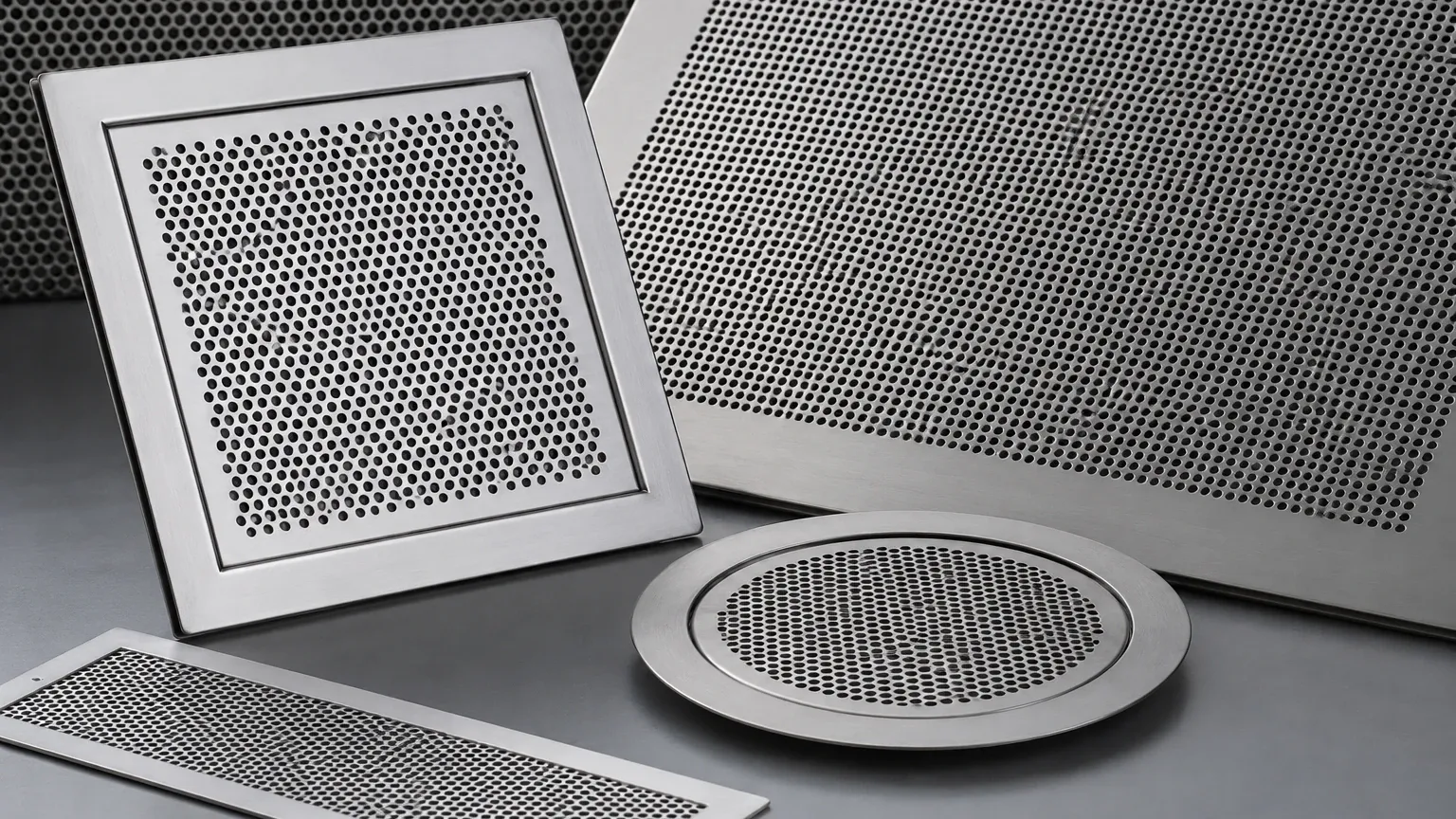
In industrial engineering and facility management, the management of airflow, heat dissipation, and debris exclusion is a critical design requirement. A perforated metal vent serves as a primary interface between internal mechanical systems and the external environment, providing a controlled passage for air while maintaining structural integrity and security. Unlike standard consumer-grade grilles, industrial-grade vents must withstand harsh operating conditions, including chemical exposure, high pressures, and mechanical stress.
Selecting the appropriate Perforated & Expanded Metal solution requires a deep understanding of fluid dynamics, material science, and manufacturing tolerances. This article explores the technical considerations essential for engineers and purchasing teams when specifying perforated metal vents for industrial applications.
Understanding the Role of Perforated Metal Vents in Industrial Systems
The primary function of a perforated metal vent is to facilitate ventilation while acting as a barrier against contaminants, pests, or unauthorized access. In industrial environments, these components are found in electronic enclosures, HVAC systems, heavy machinery housings, and chemical processing units.
The effectiveness of a vent is measured by its ability to balance two often-conflicting requirements: maximum airflow and maximum protection. A vent with too much open area may compromise the structural strength of the panel or allow fine particulates to enter the system. Conversely, a vent with insufficient open area can lead to overheating, increased energy consumption by fans, and potential system failure.
When evaluating a perforated metal vent, engineers must consider the specific environmental stressors it will face. For example, in a food processing facility, the vent must be easy to sanitize and resistant to corrosion from cleaning agents. In a hydraulic power unit, the vent may need to facilitate rapid heat exchange while preventing the ingress of shop-floor metal shavings.
Engineering Specifications: Open Area and Airflow Dynamics
The most critical technical specification for any perforated metal vent is the "percentage of open area." This value determines the volume of air that can pass through the material at a given pressure. The calculation for open area depends on the hole pattern, hole size, and the distance between the centers of the holes (pitch).
Hole Patterns and Their Impact
There are three primary patterns used in the manufacturing of vents:
1. Staggered Centers (60-degree): This is the most common and efficient pattern. It provides the highest open area for a given hole size and maintains uniform structural strength across the sheet.
2. Straight Centers: Holes are aligned in parallel rows and columns. While easier to manufacture for some specific mounting requirements, this pattern generally offers lower structural stability than staggered patterns.
3. Slotted or Decorative Patterns: These are used when specific directional airflow is required or when the vent serves an aesthetic purpose alongside its functional role.
Calculating Open Area
For a standard 60-degree staggered round hole pattern, the formula is:
% Open Area = (D² × 90.69) / R²
Where *D* is the hole diameter and *R* is the center-to-center distance (pitch). Understanding this formula allows engineers to precisely specify the airflow capacity needed to maintain optimal operating temperatures within an enclosure.
Material Selection for Durability and Chemical Resistance
The longevity of a perforated metal vent is largely dictated by the material from which it is fabricated. While carbon steel and aluminum are common in light-duty applications, industrial B2B sectors—particularly chemical, pharmaceutical, and water treatment—rely heavily on stainless steel.
Stainless Steel Grades
* Grade 304: The standard industrial choice, offering excellent corrosion resistance and durability in most indoor and mild outdoor environments. It is highly weldable and cost-effective for general-purpose venting.
* Grade 316: Known as "marine-grade" stainless steel, 316 contains molybdenum, which significantly enhances resistance to chlorides (salts) and acidic environments. This is the preferred choice for chemical processing plants and coastal installations.
Perforated vs. Expanded Metal
While this guide focuses on perforated vents, it is important to distinguish them from expanded metal options. Perforated metal is created by punching holes in a solid sheet, which maintains a flat surface and precise hole geometry. Expanded metal is slit and stretched, creating a diamond-shaped mesh. While expanded metal is often more cost-effective and provides a high strength-to-weight ratio, a perforated metal vent offers superior precision for filtration and airflow control, making it the better choice for high-specification industrial equipment.
Customization Options for Specific Industrial Applications
Standard off-the-shelf vents rarely meet the stringent requirements of specialized industrial machinery. Customization is often necessary to ensure the component integrates seamlessly with the overall system design. Kaifil, as a specialist manufacturer, provides extensive OEM capabilities to address these specific needs.
Margin and Border Specifications
In many applications, a perforated metal vent requires "safe margins"—solid metal borders around the perforated area. These margins facilitate easier welding, bolting, or clamping into a frame. Customizing the margin width ensures that the vent fits perfectly into its housing without the need for additional trimming, which could expose sharp edges or compromise the material's integrity.
Secondary Processes
Beyond the initial perforation, vents often undergo additional processing:
* Leveling: Ensuring the sheet is perfectly flat after the punching process, which can sometimes introduce slight stresses or curves.
* Degreasing: Removing lubricants used during the manufacturing process, which is essential for vents used in food, beverage, and pharmaceutical applications.
* Finishing: Options such as powder coating, electro-polishing, or pickling and passivation can further enhance corrosion resistance and surface smoothness.
Installation and Maintenance Considerations for Optimal Performance
Even the most well-engineered perforated metal vent will fail if it is improperly installed or neglected. Installation methods should account for thermal expansion, especially in environments with significant temperature fluctuations. If the vent is rigidly fixed without room for expansion, the metal may buckle or the fasteners may shear over time.
Mounting Methods
* Bolted Connections: Ideal for vents that need to be removed regularly for internal system maintenance.
* Welded Integration: Provides a permanent, high-strength bond, common in heavy-duty structural enclosures.
* Clip or Frame Mounting: Allows for quick replacement and can help dampen vibrations in high-airflow systems.
Maintenance and Replacement Cycles
In environments with high dust or particulate counts, vents can become clogged, leading to a "blinding" effect that restricts airflow. Regular inspection schedules should be established to clean the vents. For stainless steel vents, low-pressure water or air is often sufficient. However, if the vent shows signs of pitting, significant deformation, or permanent clogging that cannot be cleaned, it should be replaced to prevent damage to the more expensive internal components of the system.
Key Factors to Confirm Before Purchasing Perforated Metal Vents
When transitioning from the design phase to procurement, technical professionals should verify several factors with their manufacturer to ensure the product meets the application's demands.
1. Filtration Accuracy vs. Airflow: If the vent also acts as a primary filter, confirm the hole size matches the smallest particle size that must be excluded.
2. Material Traceability: For pharmaceutical and food-grade applications, ensure the manufacturer can provide material certifications (MTRs) to prove the grade of stainless steel used.
3. Tolerance Requirements: Standard commercial tolerances may not be sufficient for precision equipment. Specify exact tolerances for hole diameter, pitch, and overall dimensions.
4. Environmental Compatibility: Disclose the presence of specific chemicals or extreme temperatures to the manufacturer to confirm that the selected alloy and finish are appropriate.
For organizations looking to optimize their filtration and ventilation systems, reviewing the range of Perforated & Expanded Metal options is a critical step in the procurement process. Working with a manufacturer that understands the nuances of industrial filtration ensures that the resulting vent is not just a piece of metal, but a high-performance component engineered for reliability.
Conclusion: Achieving Efficiency Through Precision
The selection of a perforated metal vent is a technical decision that impacts the safety, efficiency, and longevity of industrial systems. By focusing on precise open area calculations, appropriate material selection, and custom manufacturing tolerances, engineers can ensure their systems remain ventilated and protected under the most demanding conditions. As industrial requirements continue to evolve toward higher efficiency and stricter hygiene standards, the role of high-quality stainless steel filtration and ventilation components remains more vital than ever.
