


Perforated Metal Wall Cladding
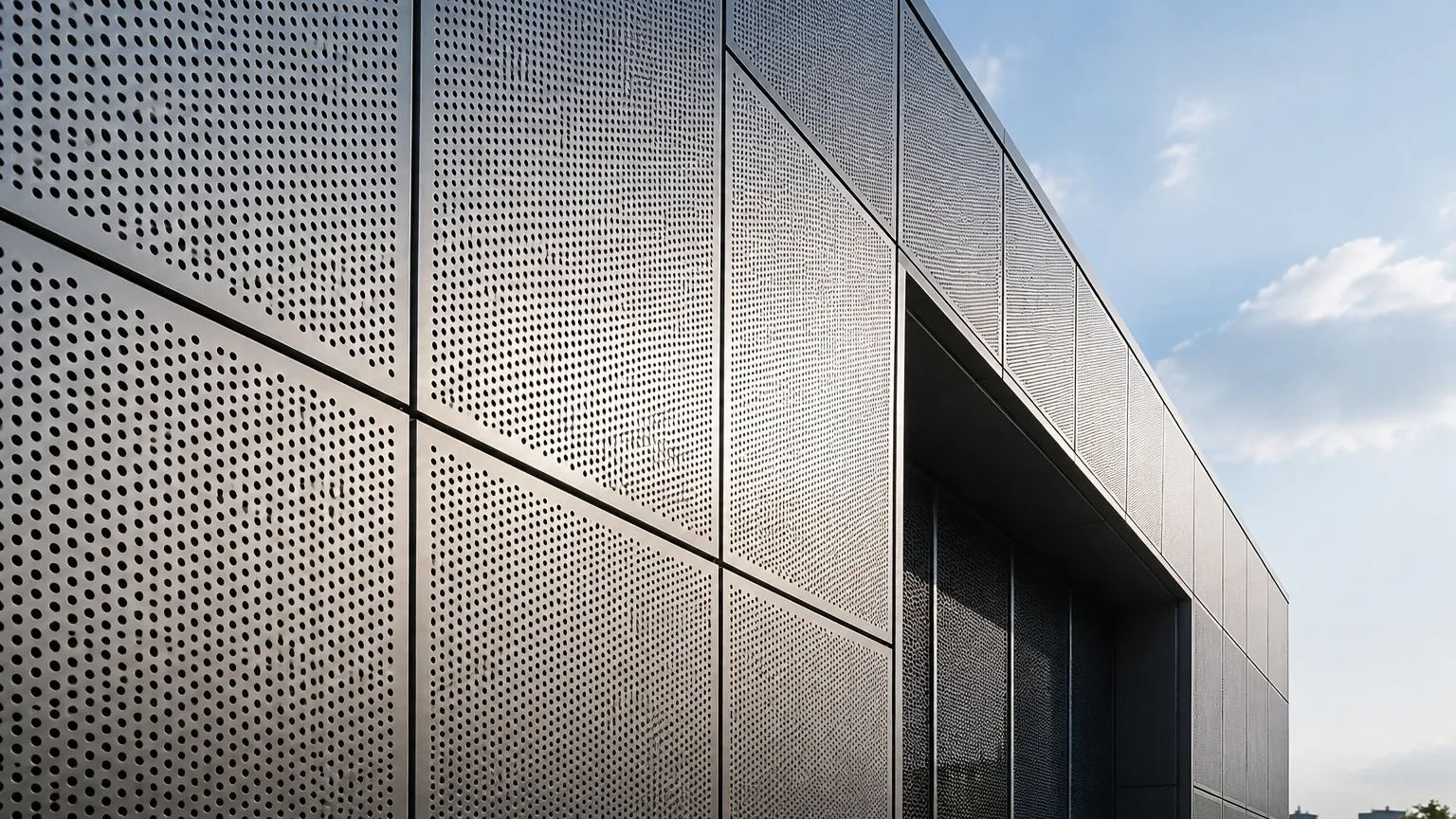
In industrial and architectural engineering, perforated metal wall cladding has evolved from a decorative element into a critical functional component. This specialized building envelope solution utilizes precision-engineered metal sheets—most commonly stainless steel, aluminum, or galvanized steel—that have been mechanically punched or laser-cut to create a specific pattern of holes. For engineers and facility managers, the selection of cladding is not merely an aesthetic choice but a technical decision involving airflow dynamics, structural integrity, and material longevity in demanding environments.
As a manufacturer specializing in precision metal components, Kaifil provides high-performance Perforated & Expanded Metal solutions designed to meet the rigorous standards of chemical processing, food production, and pharmaceutical facilities. Understanding the technical nuances of these materials is essential for optimizing both the performance and the total cost of ownership of industrial infrastructure.
Technical Distinctions: Perforated vs. Expanded Metal
When specifying perforated metal wall cladding, engineers must first distinguish between perforated and expanded metal, as each offers unique mechanical properties.
Perforated Metal
Perforated metal is produced by feeding metal sheets through a machine that punches out specific shapes. This process allows for high precision in hole size, shape, and spacing. The primary advantage of perforated metal is its versatility; it can maintain high structural rigidity while providing specific open area percentages. This is particularly useful in applications requiring controlled ventilation or acoustic dampening.
Expanded Metal
Expanded metal is created by simultaneously slitting and stretching a metal sheet. This process creates diamond-shaped openings and results in no material waste, making it a cost-effective alternative for large-scale cladding projects. Because the strands and bonds are set at an angle, expanded metal provides inherent directional strength and can act as a natural louver, deflect light, or provide a high-grip surface if used in walkways integrated with wall systems.
Material Selection for Industrial Durability
The choice of material is the most significant factor in determining the lifespan of perforated metal wall cladding. In industrial settings, environmental factors such as humidity, chemical exposure, and temperature fluctuations dictate the necessary alloy.
Stainless Steel (304 and 316 Grades)
Stainless steel is the industry standard for cladding in corrosive environments. Grade 304 offers excellent corrosion resistance for general industrial use. However, in coastal environments or chemical processing plants where chloride exposure is high, Grade 316 is preferred due to its molybdenum content, which provides superior resistance to pitting and crevice corrosion. Kaifil’s expertise in stainless steel fabrication ensures that these materials are processed to maintain their protective chromium oxide layer, even after perforation.
Aluminum Alloys
Aluminum is favored for its high strength-to-weight ratio and natural resistance to atmospheric corrosion. It is often used in large-scale architectural cladding where reducing the dead load on the building’s structural frame is a priority. Aluminum cladding is typically finished with anodizing or PVDF coatings to enhance its durability and UV resistance.
Galvanized and Carbon Steel
For interior industrial applications or dry environments where cost is a primary constraint, galvanized steel provides a sacrificial zinc coating that protects the underlying carbon steel from oxidation. However, for long-term exterior use in harsh climates, stainless steel remains the more sustainable choice due to its lower maintenance requirements.
Engineering Parameters: Open Area and Hole Patterns
The "open area" is the ratio of the area of the holes to the total area of the sheet, expressed as a percentage. This is a critical calculation for engineers designing HVAC systems or acoustic barriers.
1. Airflow and Ventilation: In mechanical rooms or industrial enclosures, perforated metal wall cladding must allow for sufficient air exchange to prevent equipment overheating. A higher open area percentage facilitates better airflow but may reduce the panel's structural stiffness.
2. Hole Patterns:
* Round Holes: The most common and efficient pattern, offering the best balance of strength and open area. Staggered round holes (usually at 60 degrees) maximize open area and provide uniform strength.
* Square Holes: Often selected for high visibility and maximum airflow, though they can result in lower structural integrity compared to round holes.
* Slotted Holes: Frequently used in filtration and screening applications, slotted patterns are effective for directional airflow or drainage.
3. Pitch and Gauge: The pitch (the distance between the centers of the holes) and the gauge (the thickness of the metal) must be balanced to ensure the cladding can withstand wind loads and physical impacts without deforming.
Functional Advantages in Industrial Applications
Perforated metal wall cladding serves several technical functions beyond simple enclosure.
Acoustic Performance
In high-noise environments, such as power plants or manufacturing floors, perforated panels act as a functional component of acoustic systems. When backed with sound-absorbent materials, the perforations allow sound waves to pass through the metal surface and be trapped by the insulation, significantly reducing noise reverberation within the facility.
Solar Shading and Thermal Control
By strategically selecting the hole size and open area, engineers can use perforated cladding to manage solar heat gain. The panels act as a secondary skin, shading the primary building envelope while allowing natural light and air to circulate. This reduces the cooling load on the building's HVAC system, contributing to overall energy efficiency.
Security and Protection
Perforated metal provides a robust physical barrier that is difficult to penetrate while maintaining visibility. This is essential for protecting sensitive equipment or creating secure partitions within a warehouse or processing plant without obstructing the line of sight for safety personnel.
Customization and OEM Manufacturing
Every industrial project has unique requirements regarding dimensions, mounting systems, and environmental resistance. Customization is a core component of effective filtration and cladding solutions.
Kaifil provides comprehensive OEM services for perforated metal components. This includes:
* Precision Cutting and Forming: Utilizing CNC technology to ensure panels fit perfectly within existing structural frames.
* Custom Hole Arrays: Engineering specific patterns to meet precise airflow or light transmission requirements.
* Edge Finishing: Providing solid margins (unperforated borders) to increase the strength of the panel and facilitate easier welding or bolting during installation.
* Surface Treatments: Offering passivation, electropolishing, or powder coating to meet the specific hygiene or corrosion-resistance needs of the pharmaceutical and food industries.
Installation and Maintenance Considerations
To ensure the longevity of perforated metal wall cladding, proper installation and maintenance protocols must be followed.
Structural Attachment
Panels are typically mounted using a sub-frame system. It is vital to account for thermal expansion and contraction, especially with aluminum and stainless steel. Using oversized mounting holes or slotted clips can prevent the panels from buckling as temperatures change. Furthermore, engineers must ensure that the fasteners used are compatible with the cladding material to prevent galvanic corrosion (e.g., using stainless steel screws with stainless steel panels).
Maintenance Cycles
While stainless steel and aluminum are low-maintenance, industrial environments often involve the buildup of dust, chemicals, or biological matter. Regular cleaning with low-pressure water and mild detergents is usually sufficient to maintain the material's integrity. In food processing or pharmaceutical environments, the cladding must be designed to withstand high-pressure washdowns and sanitizing agents.
Conclusion: Selecting the Right Solution
When specifying perforated metal wall cladding, engineers should confirm several factors before procurement: the specific chemical environment, the required open area for ventilation, the local wind load requirements, and the desired maintenance interval. By focusing on high-quality materials and precision manufacturing, facilities can achieve a balance of protection, functionality, and long-term durability.
For technical assistance in selecting the appropriate material grade, hole pattern, or customization options for your next project, explore the range of Perforated & Expanded Metal solutions offered by Kaifil. Our engineering team supports global customers in developing robust filtration and metal components tailored to the most demanding industrial applications.
