


Pierced Metal Jewelry Designs
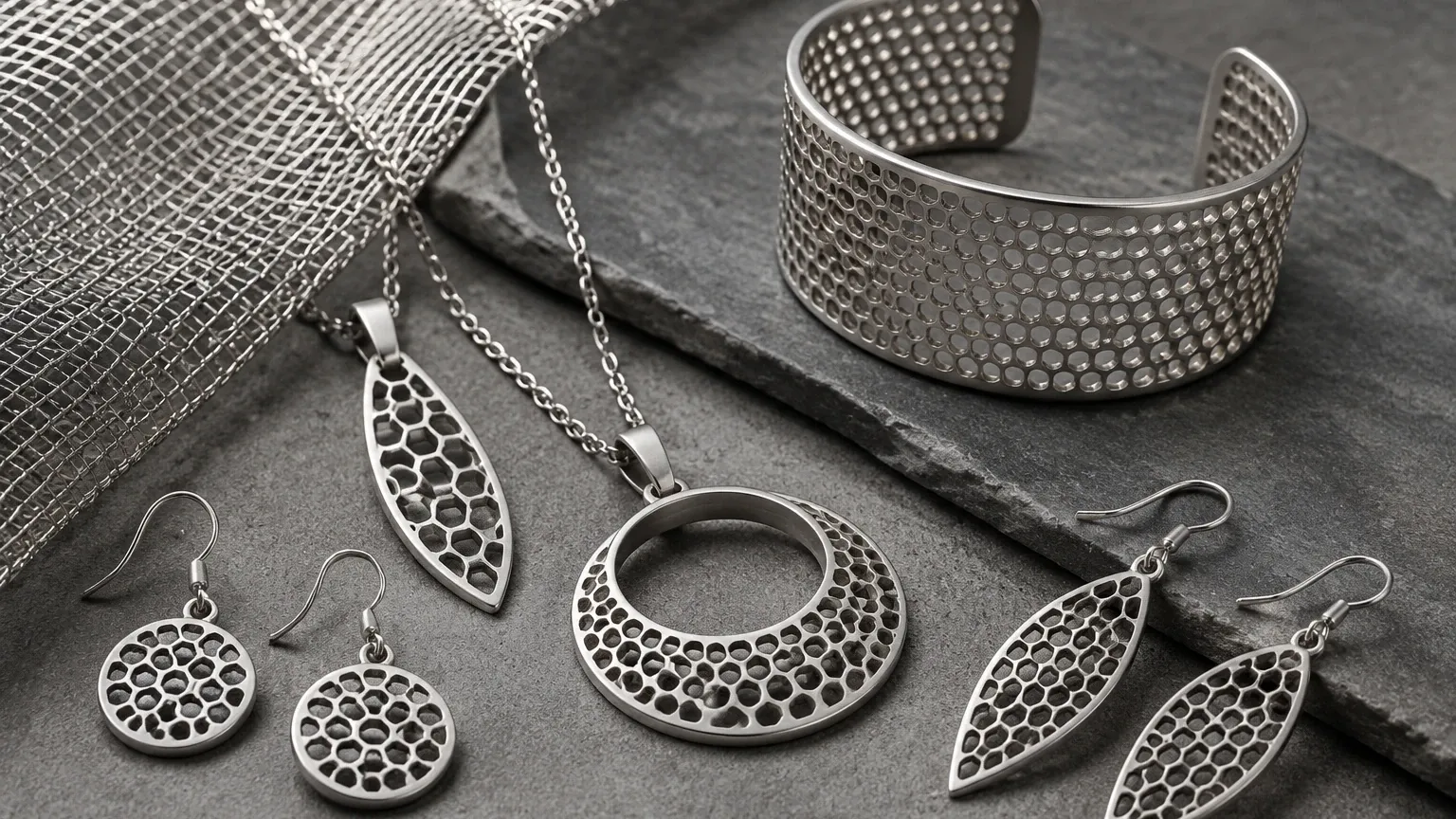
In the realm of precision metal fabrication, the techniques used to create intricate pierced metal jewelry designs share a foundational engineering lineage with high-performance industrial components. While jewelry focuses on aesthetic expression, the industrial sector—specifically in filtration and architectural screening—relies on the same principles of metal piercing and expansion to achieve functional excellence. For engineers and procurement specialists, understanding the technical nuances of how metal is pierced, perforated, and expanded is essential for selecting components that offer both structural integrity and precise performance.
At its core, the process of creating pierced patterns involves the strategic removal or displacement of material to create voids. In industrial applications, this is achieved through advanced CNC punching, laser cutting, or expanding processes. These methods allow for the production of Perforated & Expanded Metal that meets the rigorous demands of chemical processing, food production, and hydraulic systems.
The Engineering Behind Precision Piercing and Perforation
Industrial piercing, often referred to as perforation, is a manufacturing process where holes are punched into a metal sheet, typically stainless steel, to create a specific pattern. Unlike the manual sawing or drilling found in traditional pierced metal jewelry designs, industrial perforation utilizes high-speed presses equipped with precision dies.
Hole Patterns and Geometry
The geometry of the piercing determines the component's functionality. Common configurations include:
* Round Holes: The most versatile and cost-effective pattern, offering high structural strength and a wide range of open area percentages.
* Square Holes: Often used for high-visibility applications or specific screening requirements where a larger open area is needed.
* Slotted Holes: Ideal for filtration processes involving elongated particles or where fluid flow must be directed.
* Hexagonal Patterns: Providing the highest possible open area, these are frequently used in high-flow filtration and architectural accents.
For technical professionals, the "pitch" (the distance between the centers of adjacent holes) and the "arrangement" (staggered vs. straight line) are critical variables. A staggered pattern is generally preferred in industrial settings because it provides greater strength and more uniform stress distribution across the metal sheet.
Material Selection: Beyond Aesthetics
While pierced metal jewelry designs may prioritize gold, silver, or brass for their luster, industrial pierced components demand materials that can withstand corrosive environments, high pressures, and extreme temperatures. Kaifil specializes in stainless steel alloys, which are the industry standard for durability and hygiene.
Stainless Steel 304 vs. 316
* Grade 304: This is the most common stainless steel used for perforated components. It offers excellent corrosion resistance and formability, making it suitable for food and beverage applications and general industrial screening.
* Grade 316/316L: Containing molybdenum, Grade 316 provides superior resistance to chlorides and acids. This is the preferred choice for pharmaceutical filtration, marine environments, and aggressive chemical processing.
In addition to stainless steel, other materials like aluminum, titanium, and specialized alloys may be used depending on the weight requirements or specific chemical compatibility needed for the application. The choice of material directly impacts the longevity of the pierced component and its resistance to "blinding" or clogging during filtration cycles.
Expanded Metal: A Unique Piercing Alternative
Expanded metal is often grouped with perforated metal, but the manufacturing process is distinct and offers unique mechanical advantages. Instead of punching holes and removing material (as seen in pierced metal jewelry designs), expanded metal is created by simultaneously slitting and stretching the metal sheet.
Structural Benefits of Expansion
This process creates diamond-shaped openings without any material waste. Because the metal is stretched rather than cut out, the resulting mesh remains a single piece of material with no joins or welds. This gives expanded metal an exceptional strength-to-weight ratio. In industrial contexts, expanded metal is frequently used for:
* Support Layers: Providing a rigid backbone for finer wire mesh filters.
* Safety Grating: Offering slip-resistant surfaces in industrial walkways.
* Electromagnetic Shielding: Utilizing the continuous metal path to block interference.
For designers looking for the aesthetic appeal of pierced metal jewelry designs in a larger architectural or industrial scale, expanded metal provides a three-dimensional texture that interacts uniquely with light and airflow.
Technical Considerations for Custom Pierced Components
When transitioning from a conceptual design to a functional industrial filter or component, several engineering factors must be confirmed to ensure performance and cost-effectiveness.
Open Area Calculation
The "open area" is the total area of the holes divided by the total area of the sheet, expressed as a percentage. This calculation is vital for determining flow rates and pressure drops in filtration systems. A higher open area allows for faster flow but may compromise the structural rigidity of the sheet. Engineers must balance these two factors based on the specific pressure requirements of their system.
Edge and Margin Requirements
Unlike jewelry, where a pattern might run to the very edge of a piece, industrial pierced metal usually requires "margins"—unperforated areas along the edges of the sheet. These margins facilitate welding, mounting, and provide additional stiffness. Specifying the exact width of these margins is a critical step in the OEM customization process.
Surface Finishing and Deburring
The piercing process naturally creates burrs (sharp edges) on the underside of the metal. In applications such as food processing or medical filtration, these burrs must be removed through mechanical deburring, electropolishing, or pickling. A smooth surface finish not only improves safety but also prevents the accumulation of bacteria and debris, ensuring the component meets sanitary standards.
Applications Across Industries
The precision of pierced metal extends far beyond decorative uses. In the B2B sector, these components are essential in several high-stakes industries:
1. Chemical and Petrochemical: Used in catalyst support grids and intake screens where chemical resistance is paramount.
2. Food and Beverage: Perforated sheets serve as sorting sieves, grain dryers, and juice strainers, requiring food-grade stainless steel finishes.
3. Pharmaceuticals: Precision-pierced components are used in centrifuge baskets and fluid bed dryers, where exact hole sizes are necessary to maintain product purity.
4. Hydraulics: Expanded metal and perforated tubes act as protective sleeves for hydraulic filters, preventing the collapse of the filter media under high pressure.
5. Architecture: Large-scale pierced metal panels are used for building facades, providing solar shading and ventilation while maintaining a modern, high-end aesthetic similar to the intricate patterns found in jewelry.
Why Customization Matters in Pierced Metal Production
Off-the-shelf solutions rarely meet the specific needs of complex industrial systems. Customization allows for the optimization of hole size, shape, and distribution to match the viscosity of the fluid being filtered or the specific particulate size being targeted.
Kaifil’s expertise as a manufacturer of stainless steel filtration solutions ensures that every pierced or expanded component is engineered for its specific environment. From selecting the appropriate gauge (thickness) of the metal to determining the optimal filtration accuracy, working with an experienced manufacturer reduces the total cost of ownership by extending the replacement cycle and improving system efficiency.
When evaluating a partner for Perforated & Expanded Metal, engineers should look for capabilities in:
* Precision Tooling: The ability to create custom hole sizes and shapes.
* Secondary Processing: Including forming, welding, and specialized surface treatments.
* Quality Assurance: Rigorous testing for dimensional accuracy and material integrity.
Conclusion
Whether the goal is to achieve the delicate intricacy of pierced metal jewelry designs or the rugged durability of an industrial chemical filter, the fundamental technology remains rooted in precision metalwork. By understanding the mechanical properties of perforated and expanded metals, B2B buyers can make informed decisions that enhance the performance and reliability of their equipment. Choosing the right material, pattern, and manufacturing partner is the key to transforming a design concept into a high-performance industrial reality.
