


Square Hole Perforated Metal Sheet
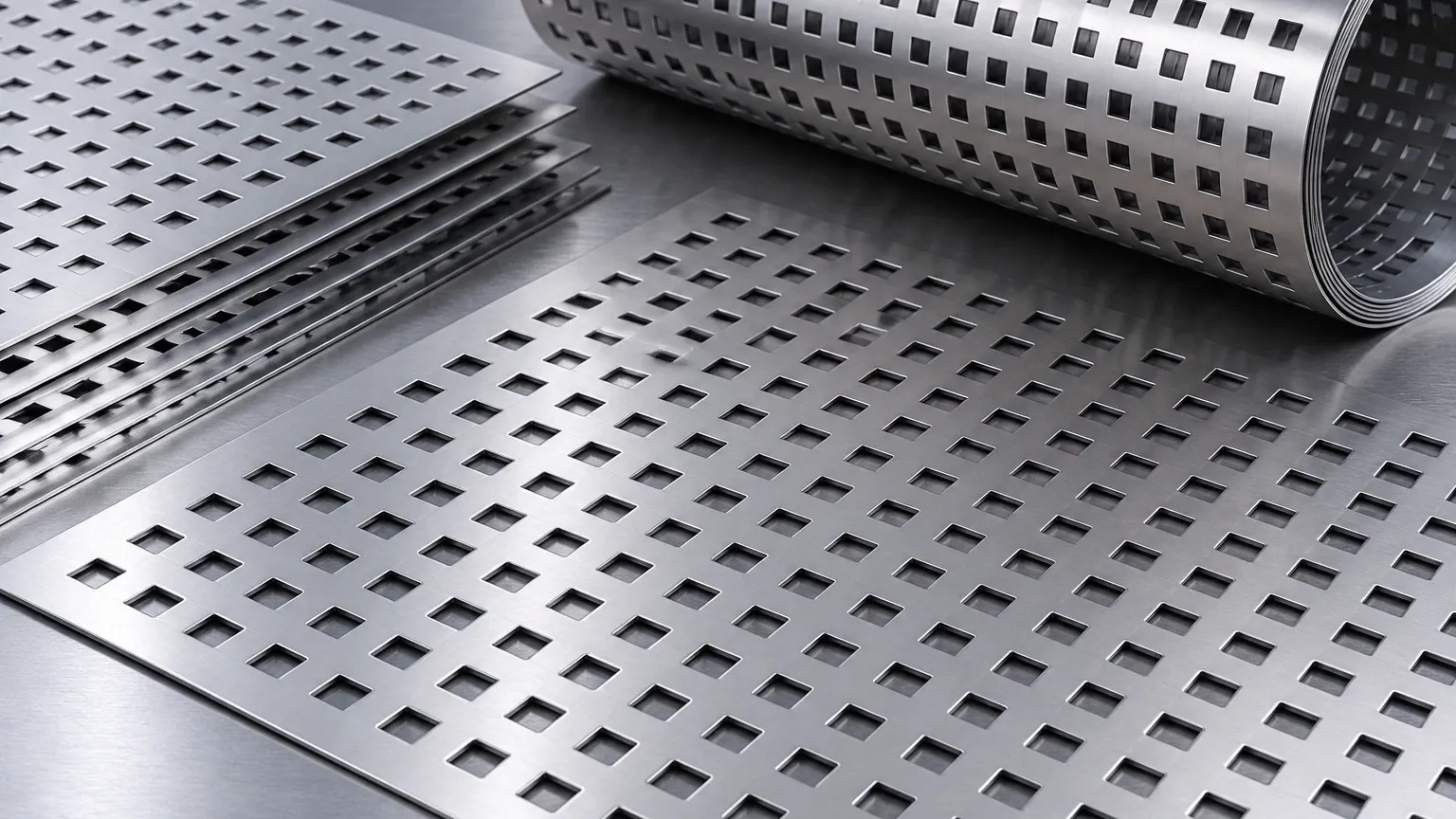
In industrial engineering and filtration design, the selection of a media substrate often dictates the efficiency and longevity of the entire system. The square hole perforated metal sheet is a specialized variant of Perforated & Expanded Metal that offers distinct geometric advantages over traditional round-hole patterns. Characterized by a higher open area percentage and a linear aesthetic, these sheets are essential components in applications ranging from heavy-duty industrial screening to precision filtration support.
For engineers and procurement specialists, understanding the technical nuances of square hole configurations—such as the relationship between hole size, bar width, and structural integrity—is critical. This guide examines the engineering principles, material considerations, and industrial applications of square hole perforated metal to assist in informed technical decision-making.
Understanding the Geometry and Engineering of Square Hole Perforated Metal
The primary differentiator of a square hole perforated metal sheet is its ability to provide a significantly larger open area compared to round holes of the same width. Because the corners of the square extend further than the arc of a circle, the total passage area for fluids, air, or solids is increased. This geometric efficiency makes square holes the preferred choice when high flow rates or maximum visibility are required.
Hole Patterns: Staggered vs. Straight
There are two primary configurations for square hole perforations:
1. Straight Row Pattern: Holes are aligned in both horizontal and vertical rows. This is the most common configuration for architectural and ventilation applications, providing a clean, symmetrical appearance and uniform airflow.
2. Staggered Pattern: Holes are offset in alternating rows. While less common for square holes than for round ones, a staggered pattern can enhance the structural rigidity of the sheet by preventing long, continuous lines of solid metal (bars) from being susceptible to bending under load.
The Importance of "The Bar"
In perforation terminology, the "bar" or "bridge" refers to the solid metal remaining between the holes. For a square hole perforated metal sheet, the bar width is a critical engineering constraint. If the bar is too narrow, the sheet may warp during the punching process or fail under mechanical stress. Conversely, if the bar is too wide, the open area is reduced, potentially causing excessive pressure drops in filtration or HVAC systems.
Material Performance and Selection for Industrial Environments
The performance of a perforated sheet is heavily dependent on its base material. At Kaifil, we focus on high-performance alloys that withstand the rigors of chemical processing, food production, and hydraulic systems.
Stainless Steel (304 and 316 Grades)
Stainless steel is the industry standard for most technical applications due to its corrosion resistance and mechanical strength.
* Grade 304: Suitable for most general industrial uses, providing excellent durability and resistance to oxidation.
* Grade 316: Contains molybdenum, making it superior for marine environments, pharmaceutical manufacturing, and chemical processing where exposure to chlorides or acidic cleaners is frequent.
Carbon Steel and Galvanized Steel
For structural applications where corrosion is less of a concern or where the environment is controlled, carbon steel offers a cost-effective alternative with high tensile strength. Galvanized options provide a protective zinc coating to prevent rust in outdoor or humid settings.
Specialty Alloys
In high-temperature or highly corrosive environments, such as petrochemical refining, materials like Monel, Inconel, or Hastelloy may be required. These alloys maintain their structural integrity and perforation dimensions even under extreme thermal cycling.
Calculating Open Area and Flow Efficiency
One of the most critical steps in specifying a square hole perforated metal sheet is calculating the percentage of open area. This figure directly impacts the pressure drop across the media and the velocity of the fluid or gas passing through it.
For a straight-row square hole pattern, the formula is relatively straightforward:
Open Area % = (H² / P²) x 100
* H: Hole size (the width of the square).
* P: Pitch (the center-to-center distance between holes).
For example, a sheet with 10mm square holes and a 12mm pitch would result in an open area of approximately 69.4%. In comparison, a round hole of 10mm diameter with the same 12mm pitch would only yield approximately 54.5% open area. This ~15% difference is why engineers often pivot to square holes when system efficiency is the priority.
Key Applications in Filtration and Industrial Processing
Because of its high throughput capabilities, the square hole perforated metal sheet is utilized across diverse sectors. Its role is often both functional and structural.
1. Filtration Support and Pleat Protection
In high-pressure hydraulic or liquid filtration systems, fine wire mesh is often used as the primary filtering media. However, wire mesh lacks the structural rigidity to withstand high differential pressures. A perforated metal sheet acts as a "center tube" or outer guard, providing the necessary mechanical support to prevent the mesh from collapsing or migrating.
2. Grain Drying and Food Processing
In the agricultural sector, square hole sheets are used in silos and drying floors. The square geometry allows for efficient airflow to remove moisture from grain while the specific hole sizing ensures the grain remains contained. In food processing, these sheets are used for grading and sorting, where the sharp edges of the square hole can provide more precise separation than rounded edges.
3. Acoustic Dampening and Ventilation
In power generation and heavy machinery enclosures, perforated metal is used to house acoustic insulation. The high open area of square holes allows sound waves to pass through the metal and into the dampening material effectively. Similarly, in server rooms and electronic enclosures, these sheets facilitate maximum heat dissipation.
4. Architectural and Security Screening
Beyond industrial utility, the square hole pattern is frequently specified for security screens, machine guards, and architectural infill panels. It provides a modern aesthetic while maintaining high visibility and airflow, which is essential for safety monitoring in factory environments.
Customization and Manufacturing Precision
Standard off-the-shelf perforated sheets rarely meet the exacting requirements of specialized industrial equipment. Customization is often necessary to ensure the component integrates seamlessly into a larger assembly.
Precision Punching and Leveling
The manufacturing of a square hole perforated metal sheet involves high-speed CNC punching presses. This process can introduce internal stresses into the metal, causing the sheet to curl or bow. Precision leveling is a critical post-perforation step that ensures the sheet is perfectly flat, which is essential for subsequent welding or forming processes.
Margins and Blank Areas
Custom manufacturing allows for the inclusion of "safe margins"—unperforated borders around the edges of the sheet. These margins are vital for welding the sheet into a frame or onto a filter cartridge end cap. We can also produce "blank areas" within the perforated pattern to accommodate mounting holes or sensor ports without compromising the structural integrity of the part.
Surface Finishing
Depending on the application, various finishes can be applied:
* Degreasing: Essential for oxygen service or pharmaceutical applications to remove lubricants from the punching process.
* Electropolishing: Often used for stainless steel to provide a mirror-like finish and enhance corrosion resistance by removing surface impurities.
* Powder Coating: Provides additional protection and color-coding for safety guards.
Selection Criteria for Engineering and Procurement
When sourcing square hole perforated metal for a project, engineers should confirm several technical parameters to ensure the product is fit for purpose. At Kaifil, we recommend evaluating the following:
1. Hole Size vs. Material Thickness: Generally, the hole size should not be smaller than the material thickness. For example, punching a 2mm square hole through 3mm stainless steel is technically difficult and can lead to frequent tool breakage and burrs.
2. Tolerance Requirements: Standard commercial tolerances may not be sufficient for precision filter housings. Specify the required tolerance for hole diameter, pitch, and overall sheet dimensions.
3. Environmental Compatibility: Ensure the material grade (e.g., SS316L) is compatible with the chemical composition of the fluid being filtered, especially at elevated temperatures.
4. Total Cost of Ownership: While carbon steel is cheaper upfront, the longevity and reduced maintenance of stainless steel Perforated & Expanded Metal often result in a lower total cost over the lifecycle of the equipment.
Conclusion
The square hole perforated metal sheet is a versatile and high-performance component that solves complex challenges in airflow, filtration, and structural design. By offering a superior open area and robust material options, it remains a staple in the toolkit of industrial designers.
Whether you are designing a new filtration system, upgrading a food processing line, or seeking a durable machine guard, selecting the right perforation specifications is paramount. Kaifil’s expertise in custom stainless steel fabrication ensures that every sheet is manufactured to precise engineering standards, providing the reliability required for demanding industrial environments.
