


Used Expanded Metal for Sale
In industrial procurement and engineering, the search for cost-effective materials often leads to the secondary market. When technical teams search for used expanded metal for sale, they are typically navigating a complex balance between immediate budget savings and the long-term structural or functional integrity of their systems. Expanded metal is a versatile material used across a wide range of industries, from architectural facades to high-precision industrial filtration. However, the decision to utilize used or surplus material requires a rigorous technical evaluation, particularly when the metal is destined for critical applications in chemical processing, water treatment, or hydraulic systems.
Understanding the nuances of expanded metal manufacturing, its material properties, and the risks associated with secondary-market sourcing is essential for any engineer or purchasing manager. This guide examines the technical considerations of sourcing used expanded metal and compares it with the performance benefits of new, custom-engineered Perforated & Expanded Metal solutions.
Understanding the Manufacturing Process and Material Integrity
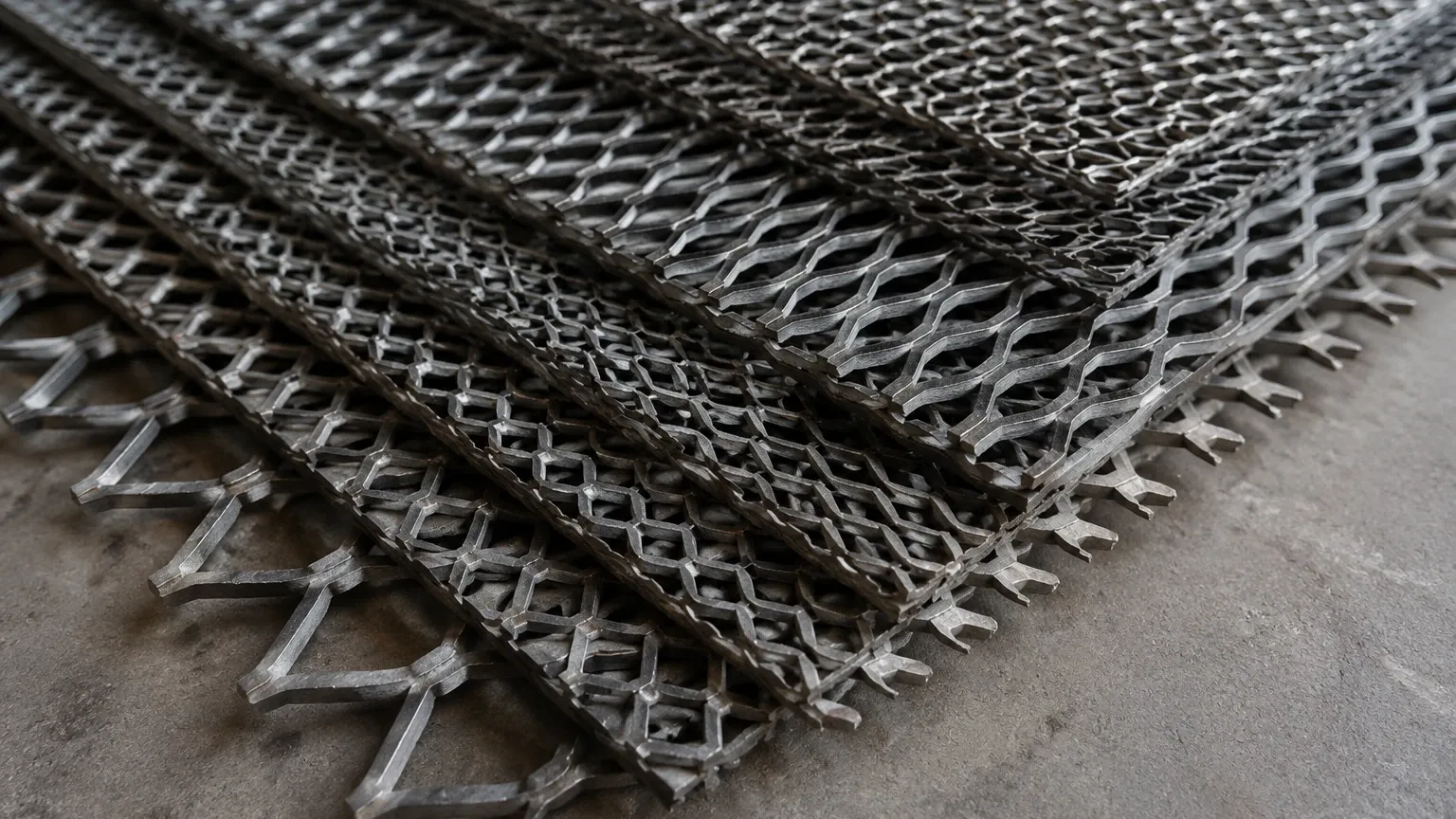
To evaluate used expanded metal, one must first understand how it is produced. Unlike perforated metal, which is created by punching holes and removing material, expanded metal is manufactured by simultaneously slitting and stretching a solid sheet of metal. This process creates a diamond-shaped pattern of openings, with the strands and bonds (the intersections of the strands) set at a uniform angle to the plane of the sheet.
Work Hardening and Structural Memory
The expansion process naturally work-hardens the metal. When expanded metal is "used" or salvaged from a previous installation, it has already undergone significant mechanical stress. If the material was subjected to heavy loads, vibration, or extreme thermal cycling in its first life, its structural integrity may be compromised. For engineers, the primary concern with used expanded metal for sale is "metal fatigue." Micro-fissures at the bonds, which are the highest-stress points in the mesh, are often invisible to the naked eye but can lead to catastrophic failure under pressure in a filtration or support application.
Standard vs. Flattened Expanded Metal
There are two primary forms of expanded metal: standard (raised) and flattened. Standard expanded metal has a textured surface where the strands are tilted. Flattened expanded metal is passed through a cold-roll reducing mill, which turns the strands into a single flat plane. If you are sourcing used material, it is vital to confirm which type it is, as the flattening process further work-hardens the material and reduces its thickness. Used flattened metal that has been exposed to corrosive environments may have significantly less cross-sectional area than its original specifications suggest.
Why Procurement Teams Seek Used Expanded Metal for Sale
The motivations for seeking used or surplus expanded metal generally fall into three categories: cost, lead time, and sustainability.
1. Cost Reduction: In non-critical applications, such as secondary perimeter fencing, machine guards for low-impact areas, or decorative partitions, used metal can offer savings of 30% to 60% compared to new stock.
2. Immediate Availability: During global supply chain disruptions, the lead time for specific alloys like 316L stainless steel or Monel can extend to several months. Used expanded metal for sale in local salvage yards or surplus inventories can sometimes be acquired within days.
3. Sustainability Initiatives: For projects aiming for LEED certification or other green building standards, repurposing existing metal components contributes to a circular economy and reduces the carbon footprint associated with primary metal production.
While these benefits are attractive, they must be weighed against the potential for system failure, especially in industrial filtration where precise aperture sizes are mandatory.
Technical Evaluation Criteria for Used Metal Components
If a project team decides to proceed with used expanded metal, a strict inspection protocol is necessary to ensure the material is fit for purpose. Engineers should focus on the following criteria:
1. Dimensional Accuracy and Distortion
Expanded metal is defined by its LWD (Long Way of Diamond) and SWD (Short Way of Diamond). In used materials, the sheet may have been stretched or warped during its previous installation or removal. Any deviation in the diamond dimensions will alter the percentage of open area, which directly impacts flow rates and pressure drops in filtration systems. Measurement with calibrated calipers at multiple points across the sheet is required.
2. Surface Condition and Corrosion
Stainless steel is often chosen for its corrosion resistance, but even 304 or 316 grades can suffer from pitting or stress-corrosion cracking (SCC) if exposed to harsh chemicals. When inspecting used expanded metal for sale, look for signs of localized corrosion, especially at the bonds. If the material was used in a marine or chemical environment, residual chlorides could lead to rapid degradation once the material is re-installed in a new system.
3. Contamination and Cleanliness
For industries such as food and beverage or pharmaceuticals, the history of the metal is paramount. Used metal may have been exposed to toxic chemicals, oils, or biological contaminants that have leached into the surface pores or are trapped in the bonds. Standard industrial cleaning may not be sufficient to meet the sanitary requirements of these sectors. In such cases, the cost of specialized ultrasonic cleaning and validation may exceed the cost of purchasing new, certified stainless steel filters.
Risks of Integrating Used Materials into Filtration Systems
In the context of industrial filtration, the risks of using second-hand expanded metal are significantly higher than in structural or architectural applications. Filtration relies on predictable performance, and used materials introduce several variables that can compromise the entire process.
Variance in Filtration Accuracy
In a filter cartridge or a wire mesh support structure, the expanded metal acts as the skeleton. If the used metal has uneven strand thickness due to wear or previous cleaning (such as acid washing), it will not provide uniform support. This can lead to the "blindness" of the filter media or allow the media to deform under pressure, resulting in bypass—where unfiltered fluid passes through the system.
Compatibility Issues
When sourcing used expanded metal for sale, it is often difficult to obtain a Material Test Report (MTR). Without an MTR, an engineer cannot be 100% certain of the alloy composition. Using a 304 stainless steel component in an environment that requires 316L can lead to rapid galvanic corrosion or chemical breakdown, potentially contaminating the entire production batch.
Fatigue and Mechanical Failure
Filters are often subjected to backwashing or pressure pulses to clear debris. Used expanded metal, having already been through unknown cycles of stress, is more likely to suffer from bond failure. If a bond breaks, a sharp strand can puncture the delicate wire mesh or synthetic membrane it is supposed to protect, leading to immediate system failure and potential downstream damage to pumps and valves.
Comparing Used vs. New: A Total Cost of Ownership (TCO) Analysis
While the initial purchase price of used expanded metal is lower, the Total Cost of Ownership (TCO) often tells a different story. Procurement managers should consider the following hidden costs:
* Fabrication Challenges: Used metal may be brittle or have irregular edges, making it harder to weld or form. This increases labor costs and the rate of fabrication scrap.
* Inspection and Testing: The cost of NDT (Non-Destructive Testing), such as X-ray or dye penetrant inspection to find cracks, must be factored in.
* Downtime Risk: If a used component fails, the cost of unplanned maintenance, lost production time, and potential product recalls far outweighs the savings on the raw material.
* Replacement Frequency: Used materials generally have a shorter residual lifespan, meaning they will need to be replaced sooner than new, high-quality components.
For critical industrial applications, the reliability of new Perforated & Expanded Metal ensures that the filtration system operates at peak efficiency with a predictable maintenance schedule.
When to Choose Custom Perforated & Expanded Metal Solutions
Professional manufacturers like Kaifil specialize in providing custom-engineered filtration solutions that eliminate the uncertainties of the used market. When a project requires specific performance metrics, custom new-build components are the only viable choice.
Precision Engineering for Specific Applications
Custom expanded metal allows for the precise selection of strand width, opening size, and overall thickness to match the viscosity and flow rate of the target fluid. In chemical processing or hydraulic applications, this level of precision is necessary to maintain system pressure and protect sensitive equipment.
Material Certification and Traceability
New materials come with full traceability and MTRs, ensuring compliance with international standards such as ASTM or ISO. This is a non-negotiable requirement for the pharmaceutical and food industries, where material safety is a legal mandate.
Enhanced Durability
By selecting the exact alloy and expansion ratio for the intended environment, engineers can maximize the service life of the filter. New stainless steel expanded metal can also be treated with specialized finishes, such as electropolishing, to further enhance corrosion resistance and ease of cleaning.
Conclusion: Making an Informed Decision
While the availability of used expanded metal for sale may present an opportunity for short-term savings, it is rarely the optimal choice for industrial filtration and high-stress engineering environments. The risks of fatigue, contamination, and lack of material traceability pose significant threats to operational safety and efficiency.
For engineers and purchasing teams, the priority should always be the integrity of the filtration process. By opting for new, high-performance Perforated & Expanded Metal from a specialized manufacturer, companies can ensure their systems are built to last, meet all regulatory requirements, and deliver the lowest total cost of ownership over the life of the project. When precision, durability, and reliability are the goals, custom-manufactured solutions remain the industry standard.
