


Sintered Metal vs Organic Brake Pads
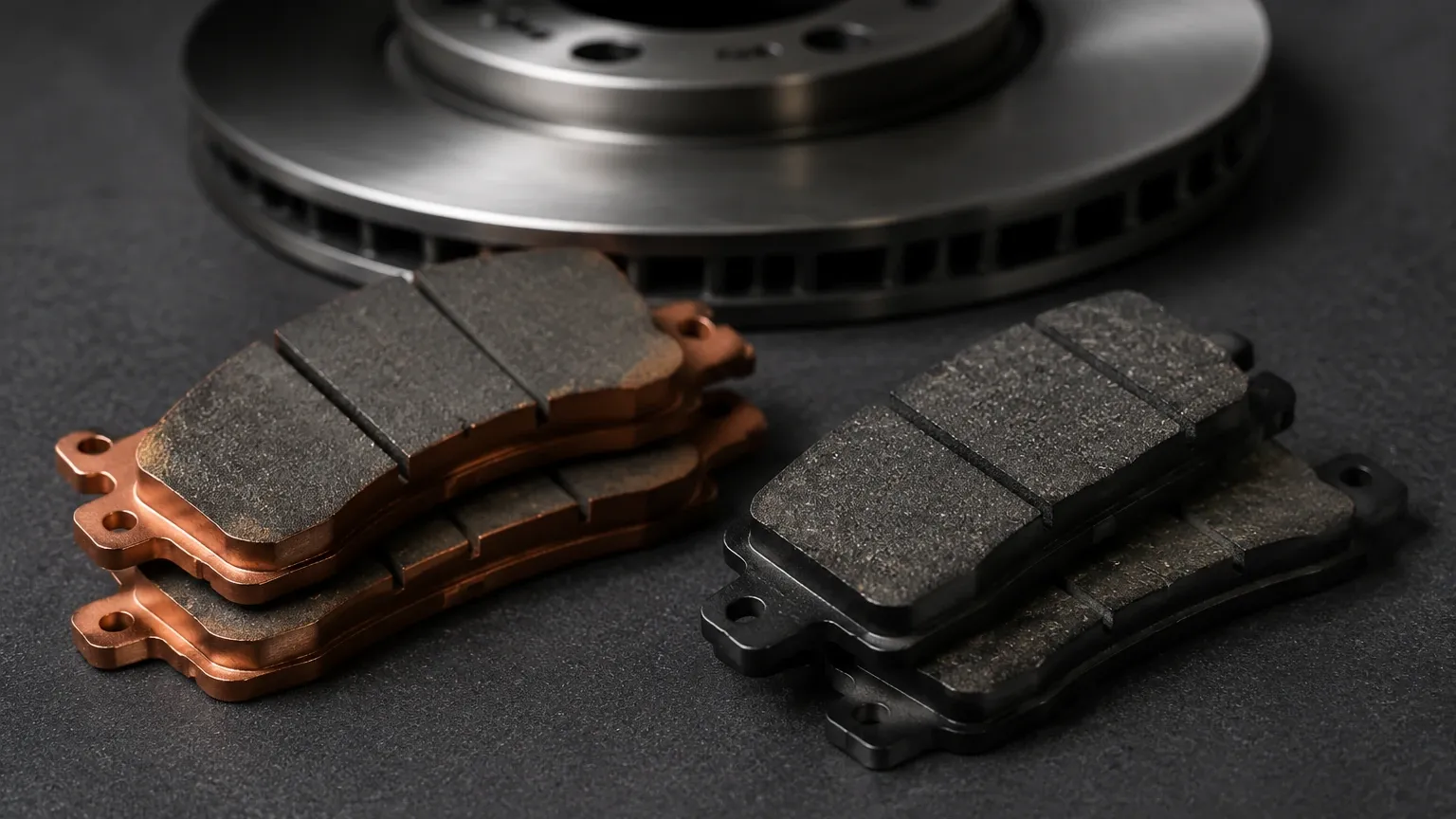
In the realm of industrial machinery, heavy-duty transportation, and precision engineering, the selection of friction materials is a critical decision that impacts safety, operational efficiency, and maintenance costs. Two primary technologies dominate the market: sintered metal and organic (often referred to as Non-Asbestos Organic or NAO) brake pads. While both serve the fundamental purpose of converting kinetic energy into thermal energy through friction, their metallurgical compositions and performance characteristics differ significantly.
For engineers and procurement professionals, understanding these differences is essential for optimizing equipment performance. This comparison also highlights the broader utility of powder metallurgy—the same core technology used to manufacture high-performance Sintered Metal Filters for demanding industrial applications. By examining the structural and thermal properties of these materials, technical teams can make informed decisions regarding component longevity and reliability.
The Fundamentals of Sintered Metal Technology
Sintered metal components are produced through a process known as powder metallurgy. This involves mixing various metallic powders—typically copper alloys, iron, bronze, and sometimes ceramic particles—and compressing them under extreme pressure into a specific shape. These "green" parts are then heated in a controlled-atmosphere furnace to a temperature below their melting point. This process, called sintering, causes the metal particles to bond at a molecular level through solid-state diffusion.
In the context of friction materials, sintering creates a dense, high-strength matrix that is exceptionally resistant to heat and mechanical stress. The resulting material possesses high thermal conductivity, allowing it to move heat away from the friction surface rapidly. This structural integrity is identical to the engineering principles applied in the production of Sintered Metal Filters, where controlled porosity and mechanical strength are required to withstand high-pressure filtration cycles without deforming.
Sintered pads are characterized by their ability to maintain a stable coefficient of friction across a wide range of temperatures. Because they are primarily metallic, they do not suffer from the thermal breakdown associated with resin-based binders. This makes them the standard choice for heavy-duty industrial equipment, high-performance motorcycles, and aerospace braking systems.
Characteristics of Organic Brake Pads
Organic brake pads, or NAO pads, are composed of a complex mixture of fibers, fillers, and lubricants bound together by a high-temperature phenol-formaldehyde resin. Common materials used in the organic matrix include aramid fibers (such as Kevlar), glass, carbon, and rubber. These components are selected to provide a balance of friction, noise reduction, and cost-effectiveness.
From an engineering perspective, organic pads are significantly softer than their sintered counterparts. This inherent softness provides several operational advantages in specific environments:
1. Noise, Vibration, and Harshness (NVH): Organic materials absorb vibrations more effectively, leading to quieter operation. This is a primary consideration for passenger vehicles and light-duty industrial machinery where operator comfort is a priority.
2. Rotor Wear: Because the material is softer, organic pads are less abrasive to the brake rotors or discs, potentially extending the life of the mating hardware.
3. Low-Temperature Performance: Organic pads typically offer a high initial "bite" even when the system is cold, as they do not require a warm-up period to reach their optimal friction coefficient.
However, the reliance on resin binders is also their primary limitation. When exposed to extreme temperatures, the resins can undergo thermal decomposition, leading to a phenomenon known as "brake fade." During fade, the decomposing resin releases gases that create a thin, lubricating layer between the pad and the rotor, drastically reducing braking effectiveness.
Comparative Analysis: Heat Management and Thermal Stability
In industrial applications, heat management is often the deciding factor between sintered and organic materials. The ability of a material to dissipate heat determines its operational limit and its resistance to failure.
Thermal Conductivity
Sintered metal pads possess significantly higher thermal conductivity than organic pads. In a heavy-duty braking event, the friction surface can reach temperatures exceeding 600°C. Sintered materials act as a heat sink, conducting thermal energy through the pad backing plate and into the caliper or surrounding air. In contrast, organic pads act as thermal insulators. While this keeps the brake fluid cooler by preventing heat transfer through the piston, it causes the friction surface of the pad to become extremely hot, accelerating wear and increasing the risk of glazing.
Friction Stability
The coefficient of friction (CoF) in organic pads tends to fluctuate as temperature increases. As the resin softens, the CoF may initially rise and then drop sharply as fade sets in. Sintered metal pads, however, are engineered for thermal stability. Their metallic bond remains rigid even at glowing temperatures, ensuring that the braking force remains consistent throughout the duty cycle. This reliability is why sintering is also the preferred method for creating Sintered Metal Filters used in high-temperature steam or chemical processing, where material degradation would lead to catastrophic system failure.
Wear Rates and Operational Longevity
For B2B procurement and maintenance planning, the Total Cost of Ownership (TCO) is heavily influenced by the wear rate of the friction material. Sintered metal and organic pads offer very different wear profiles depending on the environment.
Dry and Abrasive Conditions
In dry, clean environments, organic pads may offer acceptable longevity. However, in industrial settings involving dust, grit, or mud (such as mining or construction), organic pads wear down rapidly. The soft resin matrix allows abrasive particles to embed themselves in the pad, which then acts like sandpaper against the rotor. Sintered metal pads are much harder and more resistant to abrasion. They effectively "scrub" the rotor surface, preventing the buildup of debris and maintaining a consistent contact patch.
Service Life
Generally, a sintered metal pad will outlast an organic pad by a factor of two to three in heavy-duty applications. While the initial purchase price of sintered components is typically higher, the reduction in downtime and the extended interval between replacements often result in lower long-term costs. For engineers managing large fleets or stationary industrial brakes, the durability of sintered metallurgy provides a predictable maintenance schedule.
Environmental and Operational Considerations
Beyond pure performance metrics, the choice between sintered and organic materials involves considering environmental impact and specific operational constraints.
Moisture and Corrosion
Sintered metal pads perform exceptionally well in wet conditions. Because they are non-porous (unless specifically engineered otherwise), they do not absorb water. Organic pads, despite being resin-bound, can be slightly hygroscopic. In freezing conditions, absorbed moisture can expand and cause micro-cracking in the organic matrix. Furthermore, sintered pads maintain their friction coefficient in the rain or under high humidity, whereas organic pads may experience a temporary loss of bite until the moisture is evaporated by friction heat.
Dust Generation
Organic pads are known for producing a fine, dark dust that is relatively easy to clean but can accumulate quickly. Sintered pads produce a metallic dust that is heavier and can be more corrosive to surrounding finishes if left uncleaned. In clean-room environments or food processing facilities, the type of particulate matter generated by friction components must be carefully evaluated to prevent contamination of sensitive processes, much like how Sintered Metal Filters are used to capture specific particulate sizes in those same industries.
Selecting the Right Material for Industrial Applications
Choosing between sintered metal and organic brake pads requires a detailed analysis of the application's duty cycle. Engineers should consider the following checklist before finalizing a specification:
* Operating Temperature: If the system consistently operates at high temperatures or requires emergency stopping from high speeds, sintered metal is the safer, more reliable choice.
* Noise Constraints: If the equipment is used in an environment where noise pollution must be minimized (e.g., hospitals, residential areas), organic pads may be preferred despite their shorter life.
* Maintenance Access: In applications where accessing the brake assembly is difficult or costly (e.g., offshore wind turbines or deep-sea winches), the longevity of sintered metal justifies the higher upfront cost.
* Rotor Compatibility: Ensure the rotor material is rated for sintered pads. Some low-cost cast iron rotors are designed specifically for organic pads and may wear prematurely if paired with aggressive sintered metals.
The engineering expertise required to balance these factors is similar to the expertise required in fluid dynamics and filtration. Just as a filter must be selected based on pore size, pressure drop, and chemical compatibility, a friction material must be selected based on thermal capacity, wear resistance, and mechanical interface. At Kaifil, we apply these rigorous powder metallurgy standards to the development of Sintered Metal Filters, ensuring that our industrial components meet the most demanding specifications for durability and precision.
Summary of Trade-offs
In conclusion, the debate of sintered metal vs organic brake pads is not about which is "better," but which is more appropriate for the specific engineering challenge. Organic pads offer a quiet, smooth, and cost-effective solution for light-duty and noise-sensitive applications. However, for industrial, heavy-duty, and high-performance environments, the superior thermal stability and wear resistance of sintered metal make it the industry standard.
By leveraging the same metallurgical advantages found in Sintered Metal Filters, operators can ensure that their braking and filtration systems are capable of withstanding the rigors of modern industrial processing. Whether managing heat in a braking system or ensuring purity in a high-pressure chemical line, the choice of sintered materials represents a commitment to technical excellence and long-term operational reliability.
