


8 Strainer Basket
In industrial fluid processing, the efficiency of a filtration system often hinges on the structural integrity and precision of its internal components. An 8 strainer basket, typically designed for 8-inch nominal pipe size (NPS) housings or specific high-volume flow requirements, serves as the primary line of defense for downstream equipment. These components are engineered to remove coarse and fine particulates from liquids, protecting expensive machinery such as pumps, valves, and heat exchangers from damage and clogging.
For engineers and procurement professionals, selecting an 8 strainer basket involves more than matching dimensions. It requires a deep understanding of fluid dynamics, material compatibility, and the specific mechanical stresses of the application. As a specialized manufacturer, Kaifil provides customized Strainers & Baskets designed to meet the rigorous demands of chemical processing, water treatment, and food production environments.
Understanding the Role of 8-Inch Strainer Baskets in Industrial Filtration
The 8 strainer basket is a critical component in large-scale industrial piping systems. At this size, the volume of fluid being processed is substantial, meaning the basket must handle high flow rates while maintaining a low pressure drop. The primary function is to intercept solid contaminants—ranging from large debris like scale and pebbles to finer particulates—before they can interfere with sensitive processes.
In a typical basket strainer housing, the fluid enters the top or side of the basket and flows from the inside out. This design ensures that debris is captured within the basket, making it easier to remove and clean without contaminating the downstream flow. The 8-inch designation usually refers to the pipe connection size of the strainer housing it inhabits, though it can also refer to the specific diameter of the basket in custom-engineered vessels.
Material Selection and Engineering Standards
Material choice is the most significant factor in determining the service life and performance of an 8 strainer basket. Industrial environments often involve corrosive chemicals, high temperatures, or strict sanitary requirements.
Stainless Steel 304 and 316/316L
Stainless steel is the industry standard for most heavy-duty filtration applications.
- SS304: Suitable for general industrial use, providing excellent strength and basic corrosion resistance for water and mild chemical applications.
- SS316/316L: Contains molybdenum, which significantly enhances resistance to chlorides and pitting. This is the preferred material for marine environments, pharmaceutical manufacturing, and chemical processing where aggressive solvents are present.
Specialized Alloys
For extreme environments, such as those involving highly acidic or alkaline solutions, baskets may be fabricated from Monel, Hastelloy, or Duplex stainless steel. These materials offer superior resistance to stress corrosion cracking and high-temperature oxidation, ensuring the 8 strainer basket does not fail prematurely under mechanical or chemical stress.
Technical Specifications and Performance Metrics
When evaluating an 8 strainer basket, engineers must look beyond the physical dimensions and focus on the technical performance specifications that impact the total cost of ownership.
Filtration Media: Perforation vs. Mesh
The filtration capability of a basket is determined by its media.
1. Perforated Metal: This serves as the structural foundation of the basket. Common perforation sizes range from 1/32" to 1/2". For coarse filtration, the perforated metal alone may be sufficient.
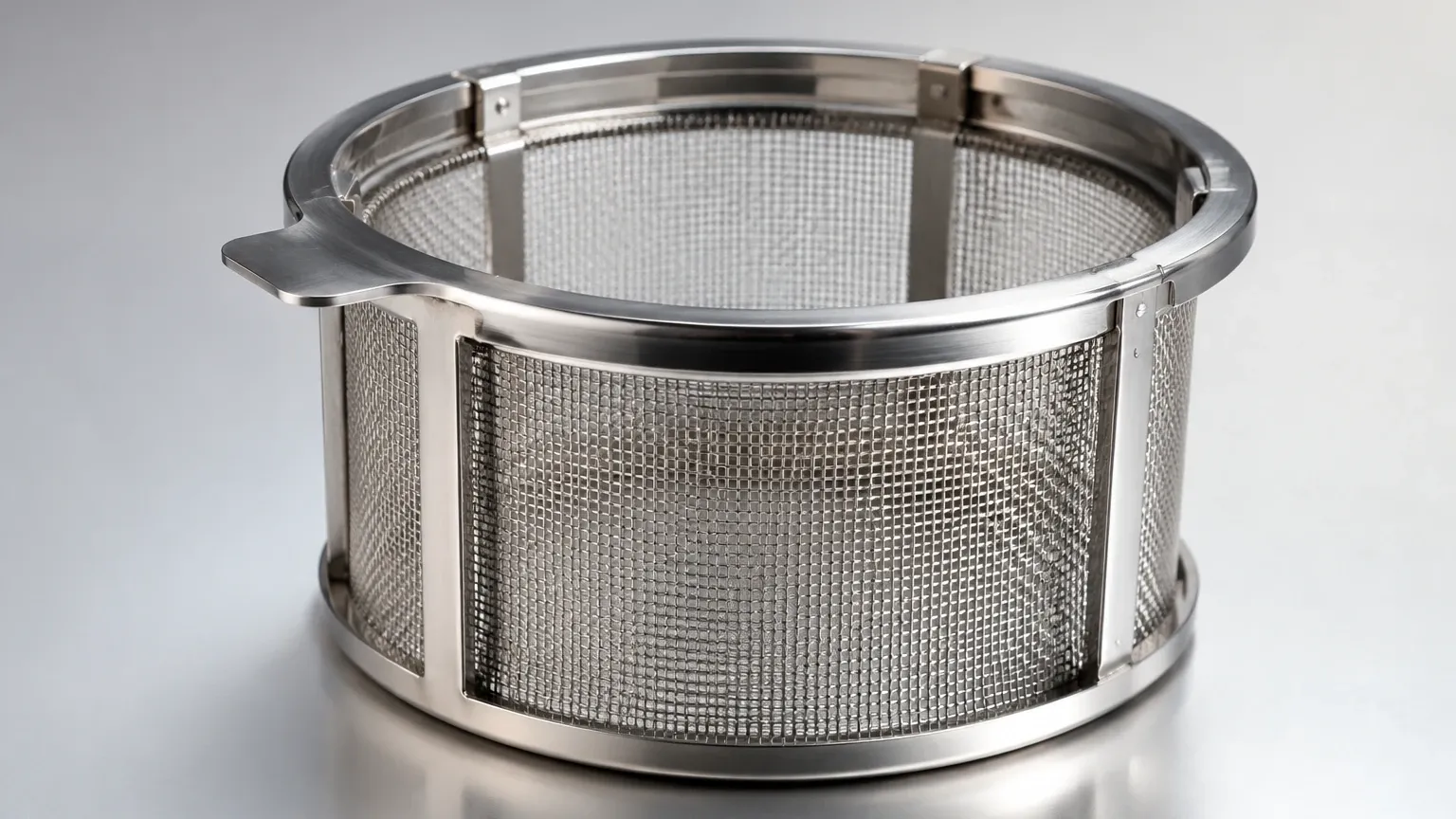
2. Wire Mesh Lining: To achieve finer filtration (down to 20 microns or less), the perforated basket is lined with a precision wire mesh. The mesh is typically spot-welded or sintered to the perforated support to prevent bypass and ensure durability under pressure.
Open Area Ratio (OAR)
The Open Area Ratio is the relationship between the total area of the openings in the basket and the cross-sectional area of the inlet pipe. A high-quality 8 strainer basket should ideally offer an OAR of at least 6:1 or 8:1. A higher OAR results in a lower initial pressure drop and allows for longer run times between cleaning cycles, as there is more surface area available to collect debris before flow is significantly restricted.
Pressure Differential (ΔP)
Monitoring the pressure differential across the basket is the standard method for determining when cleaning is required. Industrial baskets are designed to withstand a specific maximum differential pressure (burst pressure). If the basket is not cleaned in time, the accumulation of debris can cause the basket to collapse or the mesh to tear, leading to catastrophic downstream contamination.
Customization for Specialized Industrial Applications
Standard off-the-shelf solutions rarely meet the precise needs of specialized industrial processes. Customization allows for the optimization of the 8 strainer basket for specific mechanical and operational constraints.
Handle and Lifting Configurations
Given the size and potential weight of a loaded 8-inch basket, ergonomics and safety are paramount. Custom handle designs, including heavy-duty bail handles, slanted handles for easy gripping, or even lifting eyes for overhead cranes, ensure that maintenance personnel can safely remove the basket for cleaning.
Reinforcement and Structural Support
In high-pressure or high-viscosity applications, standard baskets may suffer from structural fatigue. Custom reinforcement features, such as longitudinal support bars, circumferential bands, and heavy-duty bottom plates, provide the necessary rigidity to prevent deformation during surges in flow or high-pressure cleaning cycles.
Sanitary Design for Food and Pharma
For applications in the food, beverage, and pharmaceutical industries, the 8 strainer basket must adhere to sanitary standards. This involves specialized welding techniques (such as full penetration welds) and surface finishes (like electropolishing) to eliminate crevices where bacteria can grow. These baskets are designed for easy sterilization and compliance with FDA or 3-A standards.
Installation, Maintenance, and Replacement Cycles
The longevity of an 8 strainer basket is directly tied to how it is maintained. Because these are mechanical filters, they are subject to wear and tear from abrasive particles and the stresses of repeated cleaning.
Cleaning Procedures
Most stainless steel baskets are designed to be reusable. Cleaning methods include:
- Manual Wash: Using a soft brush and mild detergent for non-hazardous debris.
- Backwashing: In some systems, flow can be reversed to dislodge particles from the mesh.
- Ultrasonic Cleaning: The most effective method for removing fine particulates trapped deep within the wire mesh layers.
Identifying the Need for Replacement
While stainless steel is durable, it is not permanent. Maintenance teams should inspect baskets for:
- Mesh Blinding: Permanent clogging of the mesh that cannot be cleaned.
- Mechanical Deformation: Any signs of bowing or crushing in the perforated metal.
- Broken Welds: Which can lead to bypass and allow contaminants into the downstream system.
- Gasket Failure: If the basket uses an O-ring or gasket to seal against the housing, these must be replaced regularly to prevent bypass.
Key Factors for Selecting High-Performance Strainers & Baskets
Choosing the right partner for Strainers & Baskets is essential for ensuring process reliability. When sourcing an 8 strainer basket, engineers should confirm the following technical details with the manufacturer:
1. Micron Rating vs. Flow Rate: Ensure the filtration fineness does not restrict flow beyond the capacity of the pump.
2. Chemical Compatibility: Verify that the alloy and any sealing materials (Viton, EPDM, PTFE) are compatible with the process fluid at operating temperatures.
3. Burst Pressure Rating: Confirm the basket can handle the maximum possible pressure differential of the system.
4. Dimensional Accuracy: Even small deviations in the flange diameter or basket height can lead to bypass or installation difficulties.
Kaifil specializes in the engineering and production of precision metal filtration components. By focusing on high-grade materials and advanced manufacturing techniques, we ensure that every 8 strainer basket provides the durability and filtration accuracy required for demanding industrial environments. Whether you are replacing an existing component or designing a new filtration system, focusing on these technical parameters will result in reduced downtime and lower long-term maintenance costs.
In summary, the 8 strainer basket is a foundational element of industrial fluid management. Its design must balance filtration efficiency with structural strength, tailored to the specific chemical and thermal realities of the application. Through proper material selection, customized engineering, and a rigorous maintenance schedule, these components provide essential protection for industrial infrastructure.
