


Basket Strainer 40mm
In industrial fluid handling systems, the protection of downstream equipment—such as pumps, valves, and heat exchangers—is a critical engineering priority. The basket strainer 40mm, often referred to by its nominal diameter DN40, serves as a versatile and robust solution for removing unwanted solids from liquid streams. Unlike Y-strainers, which are typically used for smaller particulate loads, basket strainers offer a larger holding capacity and a lower pressure drop, making them ideal for applications where continuous flow and infrequent maintenance shutdowns are required.
Selecting the correct Strainers & Baskets involves more than simply matching pipe diameters. It requires a deep understanding of fluid dynamics, material compatibility, and the specific filtration requirements of the process. For engineers and procurement specialists, evaluating a basket strainer 40mm involves analyzing the internal basket design, the housing material, and the operational environment to ensure long-term reliability.
Understanding the Role of a Basket Strainer 40mm in Industrial Piping
A basket strainer 40mm is designed for installation in horizontal pipelines. The primary function of the "basket" is to trap debris while allowing the fluid to pass through with minimal resistance. Because the 40mm size (approximately 1.5 inches) is common in chemical dosing, food processing, and hydraulic cooling loops, these components must handle a wide range of pressures and flow velocities.
The design of the basket itself is the heart of the filtration process. In a standard 40mm housing, the basket is typically composed of a perforated metal support cylinder lined with a fine stainless steel wire mesh. This dual-layer construction provides the mechanical strength necessary to withstand high differential pressures while offering the precision needed for fine particulate removal. The vertical orientation of the basket within the housing allows for easy removal and cleaning, which is a significant advantage over other strainer configurations.
Technical Specifications and Material Selection for 40mm Filtration Systems
Material selection is the most critical factor in determining the service life of a basket strainer 40mm. Industrial environments often involve corrosive fluids, extreme temperatures, or strict hygienic requirements.
Stainless Steel 304 vs. 316L
Stainless steel is the industry standard for high-performance strainers. Grade 304 stainless steel offers excellent strength and basic corrosion resistance for water treatment and general industrial use. However, for applications involving chlorides, acids, or pharmaceutical-grade processes, Grade 316L is preferred. The addition of molybdenum in 316L provides superior resistance to pitting and crevice corrosion, ensuring that the basket strainer 40mm does not become a point of failure in the system.
Filtration Accuracy and Mesh Sizing
The filtration level of a basket strainer is determined by the mesh count or the size of the perforations. For a basket strainer 40mm, common filtration levels range from coarse straining (1/8" perforations) to fine filtration (down to 5 microns using multi-layered sintered mesh). Engineers must balance the need for fine filtration with the risk of rapid clogging. A finer mesh will capture more particles but will also cause the pressure drop to increase more quickly as the basket fills.
Engineering Considerations: Flow Rate and Pressure Drop Analysis
One of the most frequent mistakes in specifying a basket strainer 40mm is ignoring the "Open Area Ratio" (OAR). The OAR is the ratio of the total area of the holes in the basket to the internal cross-sectional area of the inlet pipe. A high-quality industrial basket strainer should typically have an OAR of at least 6:1. This ensures that even when the basket is 50% clogged, the flow remains relatively unimpeded.
Calculating Pressure Drop (ΔP)
Pressure drop is the loss in fluid pressure as it passes through the strainer. For a 40mm system, the clean pressure drop should ideally be less than 2 PSI (0.14 bar). As debris accumulates, the ΔP increases. If the pressure drop exceeds the design limit (often 5-10 PSI), the basket may collapse or the pump may suffer from cavitation. Monitoring the differential pressure across the basket strainer 40mm is essential for determining the optimal cleaning cycle.
Viscosity Impacts
The viscosity of the fluid significantly affects the performance of the strainer. High-viscosity fluids, such as oils or syrups, require larger basket surface areas and coarser mesh to maintain flow. When dealing with non-Newtonian fluids, the shear rate within the 40mm housing must also be considered to prevent product degradation or unexpected pressure spikes.
Comparative Advantages of Stainless Steel Strainers & Baskets
When comparing different filtration technologies, stainless steel Strainers & Baskets stand out for their durability and sustainability. Unlike plastic or cast iron alternatives, stainless steel components offer:
1. Thermal Stability: They can operate in temperatures ranging from cryogenic levels to over 400°C without losing structural integrity.
2. Cleanability: Stainless steel baskets can be ultrasonically cleaned, backwashed, or chemically sanitized, making them a permanent asset rather than a consumable.
3. Pressure Rating: A well-engineered 40mm stainless steel housing can easily support high-pressure ratings (ANSI Class 150, 300, or higher), providing a safety margin that other materials cannot match.
4. Customization: Stainless steel allows for precision welding and fabrication, enabling the creation of custom basket geometries to fit specific 40mm housings.
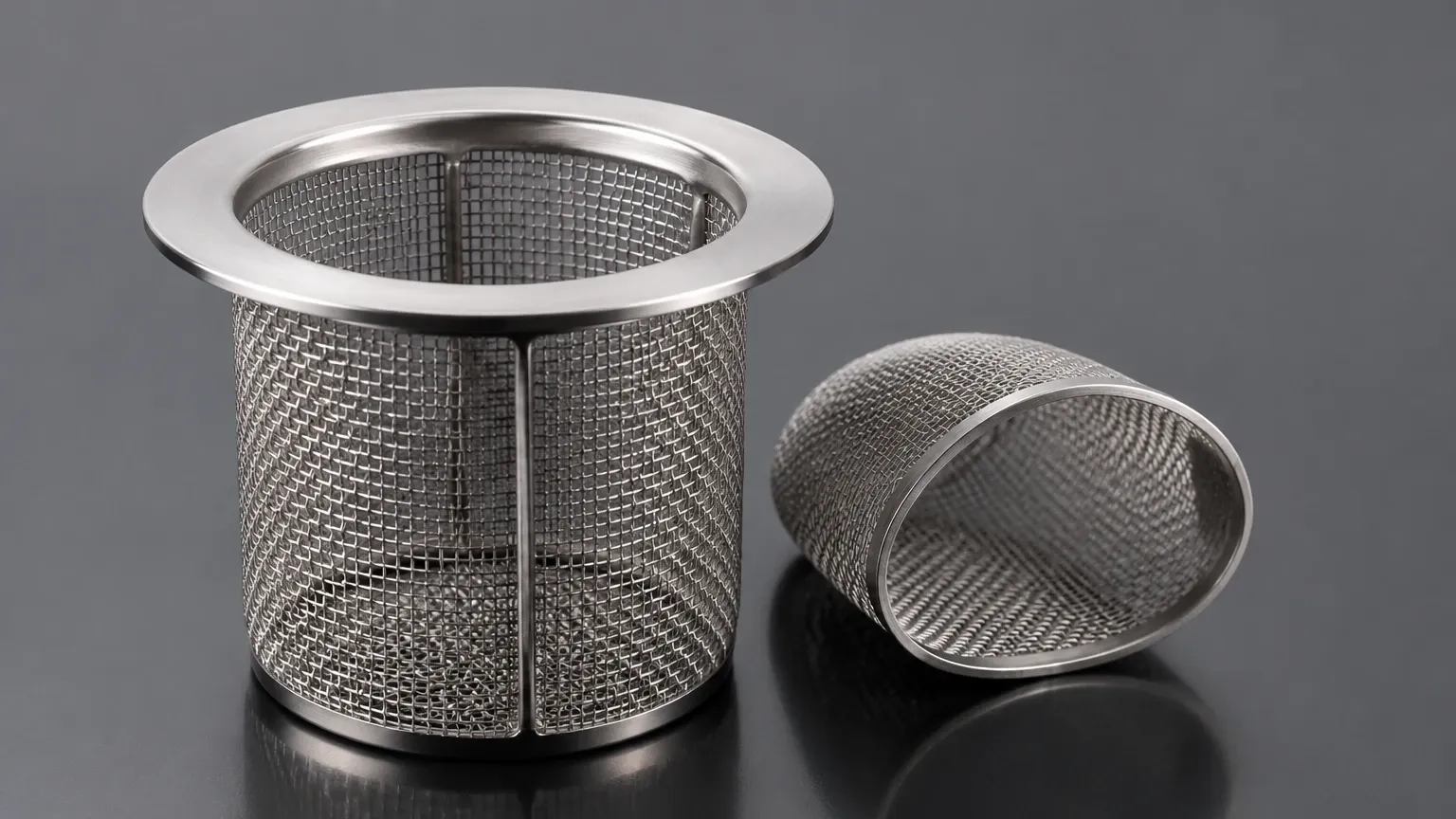
Application-Specific Customization for 40mm Basket Strainers
Not every industrial process can be served by an off-the-shelf solution. Customization of the basket strainer 40mm is often necessary to meet specific operational challenges.
* Magnetic Inserts: In hydraulic and machining applications, fine iron or steel particles can pass through standard mesh. Adding a magnetic rod to the center of the 40mm basket allows for the capture of these sub-micron metallic contaminants.
* Reinforced Baskets: For high-pressure applications where sudden surges (water hammer) are expected, the basket can be reinforced with external rings or a heavier gauge perforated plate to prevent deformation.
* Steam Jacketing: In industries like chocolate manufacturing or heavy oil processing, the fluid must be kept at a constant temperature to prevent solidification. A steam-jacketed 40mm strainer housing ensures that the product remains liquid as it passes through the filtration media.
* Special Coatings: While stainless steel is highly resistant, certain aggressive chemicals may require additional coatings like PTFE or Halar to ensure the longevity of the basket strainer 40mm.
Maintenance Protocols and Operational Longevity
The total cost of ownership (TCO) for a basket strainer 40mm is largely determined by its maintenance requirements. A proactive maintenance schedule prevents unplanned downtime and extends the life of the filtration media.
Cleaning Procedures
When the differential pressure gauge indicates that the basket is full, the flow should be diverted (in duplex systems) or stopped. The cover of the 40mm housing is removed—often via quick-release swing bolts—and the basket is lifted out. It is essential to clean the basket from the outside in using a high-pressure water jet or air blast to dislodge particles trapped in the mesh. For sticky or oily residues, a solvent bath or ultrasonic cleaning may be required.
Inspection Points
During cleaning, the basket should be inspected for:
* Mesh Integrity: Look for tears or separations at the weld points.
* Gasket Condition: The seal between the basket and the housing must be airtight to prevent "bypass," where unfiltered fluid leaks around the edges of the basket.
* Structural Distortion: If the basket appears flattened or bowed, it indicates that the system is operating at a differential pressure higher than the basket's design limit.
Strategic Procurement: Selecting the Right Filtration Partner
For engineers and purchasing managers, sourcing a basket strainer 40mm requires a partner who understands the technical nuances of filtration. It is not enough to simply provide a component; the manufacturer must be able to provide material certifications (MTRs), pressure test reports, and technical guidance on mesh selection.
When evaluating suppliers for Strainers & Baskets, consider their ability to provide OEM solutions. A manufacturer with in-house engineering and advanced fabrication capabilities can help optimize the basket design for your specific flow conditions, potentially reducing energy costs by minimizing pressure drop. Furthermore, a supplier who maintains high quality standards in material selection ensures that your 40mm filtration system will withstand the rigors of industrial service for years to come.
In conclusion, the basket strainer 40mm is a fundamental component in maintaining the health of industrial piping systems. By focusing on material quality, engineering specifications like OAR and ΔP, and a robust maintenance strategy, facilities can achieve efficient, reliable, and cost-effective filtration. Whether you are designing a new system or upgrading an existing one, choosing the right stainless steel basket strainer is a critical step toward operational excellence.
