


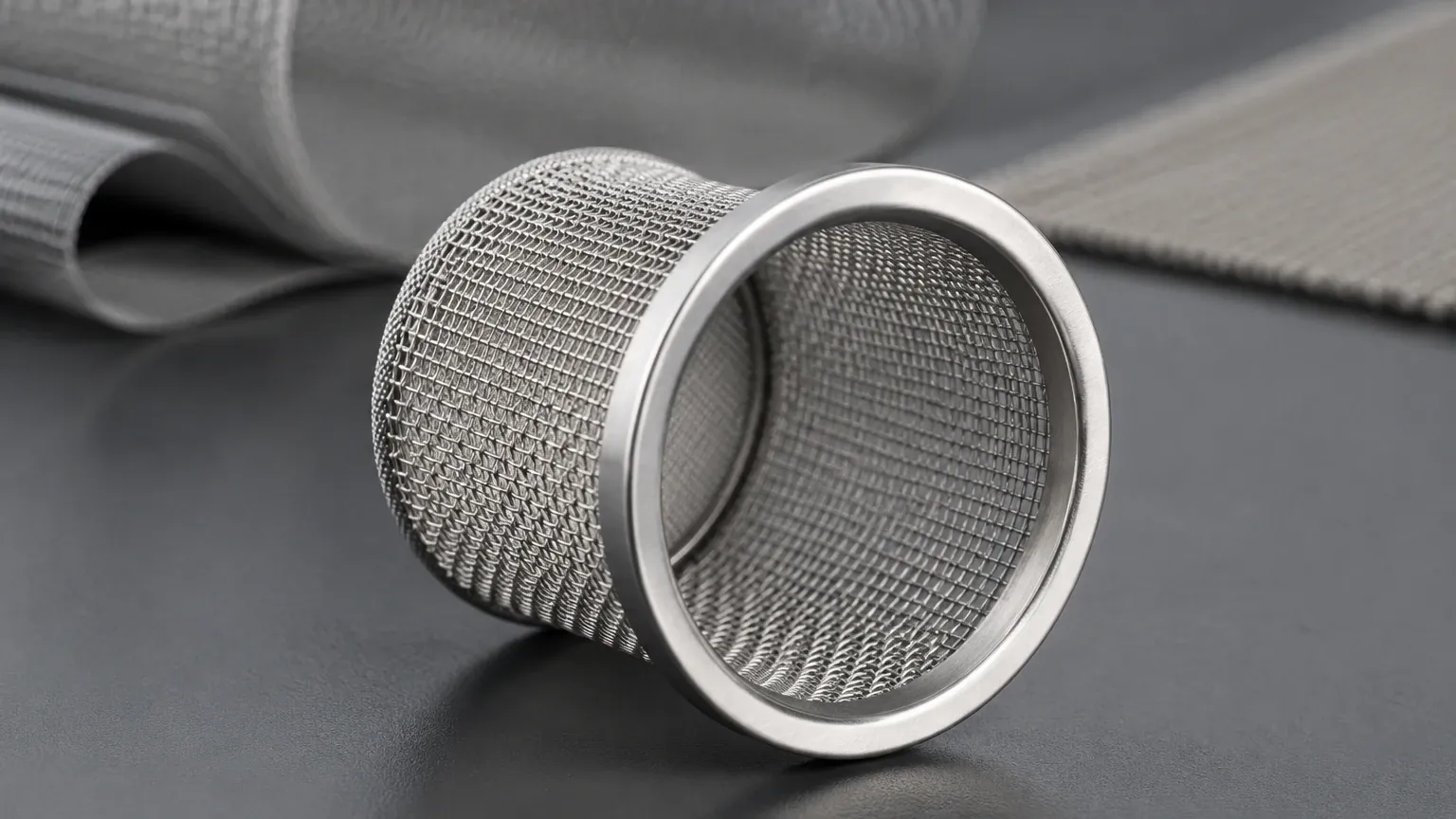
Basket Strainer 90mm
In industrial fluid handling systems, the protection of downstream equipment such as pumps, valves, and heat exchangers is paramount to maintaining operational efficiency and preventing costly downtime. The basket strainer 90mm serves as a critical mechanical filtration component designed to remove coarse particles from liquids. Unlike Y-strainers, basket-style strainers are typically utilized in applications requiring higher flow capacities and lower pressure drops, offering a larger surface area for debris collection.
Selecting a 90mm basket strainer requires a thorough understanding of fluid dynamics, material compatibility, and the specific mechanical requirements of the piping system. As a specialized manufacturer, Kaifil provides precision-engineered Strainers & Baskets that meet the rigorous demands of industrial environments, ensuring that filtration performance aligns with engineering specifications.
Technical Specifications and Engineering Considerations
The designation of a "90mm" basket strainer usually refers to the outer diameter (OD) of the strainer body or the nominal size of the basket itself, depending on the housing standard. In industrial filtration, precision in these dimensions is non-negotiable, as even minor variances can lead to fluid bypass or mechanical failure under pressure.
Material Selection: SS304 vs. SS316
Material integrity is the first line of defense in industrial filtration. Most 90mm basket strainers are fabricated from stainless steel due to its mechanical strength and resistance to corrosion.
* Stainless Steel 304: Suitable for general industrial applications, including water treatment and non-corrosive chemical processing. It offers excellent durability and cost-effectiveness.
* Stainless Steel 316/316L: Recommended for environments involving high chloride concentrations, acidic solutions, or pharmaceutical processes. The addition of molybdenum enhances pitting resistance, making it essential for marine or highly corrosive chemical environments.
Mesh and Perforation Configurations
The filtration media within the basket is typically a combination of a perforated metal support and a fine wire mesh liner. For a basket strainer 90mm, the choice of mesh size depends on the "Micron Rating" required for the application. Engineers must balance the need for fine filtration with the allowable pressure drop. A finer mesh increases filtration efficiency but also increases the frequency of cleaning cycles due to faster particulate accumulation.
Performance Evaluation and Flow Dynamics
When integrating a 90mm basket strainer into a system, engineers must evaluate the Open Area Ratio (OAR). The OAR is the ratio of the total open area of the strainer holes to the internal cross-sectional area of the inlet pipe. A high OAR (typically 6:1 or higher) ensures that the strainer can accumulate a significant amount of debris before the pressure drop ($ΔP$) reaches a critical level that could impair pump performance.
Pressure Drop Calculations
The pressure drop across a basket strainer is influenced by fluid viscosity, flow rate, and the percentage of the basket that is clogged. In a clean state, a well-designed basket strainer 90mm should exhibit minimal resistance. However, as solids are captured, the effective open area decreases, leading to an exponential increase in $ΔP$. Monitoring this differential pressure is the primary method for determining when maintenance is required.
Industrial Applications for 90mm Basket Strainers
Due to their versatile size and high dirt-holding capacity, 90mm basket strainers are utilized across a broad spectrum of industries. Each sector imposes unique demands on the filtration component.
Chemical Processing
In chemical plants, strainers must withstand aggressive solvents and varying thermal conditions. The basket strainer 90mm is often used to protect flow meters and control valves from pipe scale or catalyst fines. Custom coatings or high-grade alloys are frequently employed to extend the service life of the component in these environments.
Food and Beverage Production
For food-grade applications, the construction of the basket must adhere to strict hygienic standards. This includes smooth weld finishes (to prevent bacterial growth) and the use of FDA-approved materials. The 90mm basket is often found in lines processing liquid sugars, oils, or juices, where it removes oversized particles or incidental contaminants before final processing.
Hydraulic and Lubrication Systems
In heavy machinery, maintaining oil cleanliness is vital for component longevity. Basket strainers in these systems act as "safety nets," catching large metal shavings or seal fragments that could cause catastrophic failure in hydraulic pumps or bearings.
Customization and OEM Capabilities
Standard off-the-shelf components often fall short of specific engineering requirements. Kaifil specializes in the custom fabrication of Strainers & Baskets, allowing for modifications that optimize performance for unique installations.
Structural Reinforcements
For high-pressure applications or systems subject to hydraulic shock (water hammer), the 90mm basket can be reinforced with internal ribs or heavy-gauge perforated metal. This prevents the basket from collapsing or distorting under the weight of collected debris or sudden flow surges.
Handle and Lifting Configurations
Ease of maintenance is a critical design factor. Custom handle designs, such as slant-top handles or heavy-duty bail handles, can be integrated to ensure that operators can safely and quickly remove the basket for cleaning, even in confined spaces or when wearing protective equipment.
Specific Dimensional Adjustments
While the 90mm diameter is a standard, the height and flange thickness can be adjusted to fit existing housings from various manufacturers. This OEM flexibility is essential for brownfield projects where replacing the entire strainer housing is not feasible.
Selection Criteria for Engineers and Purchasing Teams
Before procuring a basket strainer 90mm, technical teams should confirm several key parameters to ensure the component is fit for purpose:
1. Fluid Characteristics: What is the viscosity and density of the liquid? Higher viscosity fluids require larger mesh openings or increased surface area to maintain flow.
2. Particulate Type: Are the contaminants hard, abrasive, or fibrous? This determines the choice between a simple perforated basket and a reinforced mesh liner.
3. Operating Pressure and Temperature: Ensure the material and weld specifications are rated for the maximum system temperature and pressure, including potential spikes.
4. Seal Compatibility: If the basket requires an O-ring or gasket at the seating surface, the elastomer must be chemically compatible with the process fluid.
Maintenance and Cleaning Protocols
The total cost of ownership (TCO) for a basket strainer is heavily influenced by its maintainability. A basket strainer 90mm is designed for reuse, but improper cleaning can damage the mesh and compromise filtration integrity.
Cleaning Procedures
* Manual Cleaning: For coarse debris, a soft brush and high-pressure water or air can be used. Abrasive tools should be avoided to prevent damage to the wire mesh.
* Ultrasonic Cleaning: For fine mesh strainers used in pharmaceutical or chemical applications, ultrasonic baths are recommended to remove deeply embedded particles without mechanical stress.
* Chemical Soaking: In cases of organic buildup or scale, soaking the basket in a compatible cleaning solution can restore the open area without damaging the stainless steel substrate.
Inspection Intervals
Regular visual inspections should be conducted to check for signs of mesh blinding, corrosion, or mechanical deformation. If the mesh shows signs of fraying or the support structure is warped, the basket should be replaced immediately to prevent bypass.
Conclusion
The basket strainer 90mm is a deceptively simple component that plays a vital role in the reliability of industrial fluid systems. By focusing on material quality, precise dimensions, and application-specific customization, engineers can significantly reduce maintenance costs and protect high-value downstream equipment.
Whether for a new installation or the replacement of existing components, understanding the technical nuances of Strainers & Baskets ensures that the filtration system operates at peak efficiency. Kaifil’s commitment to engineering excellence and OEM manufacturing provides the technical foundation necessary for demanding industrial filtration challenges.
