


Basket Strainer Extension Tube
In industrial fluid processing, the efficiency of a filtration system is often determined by how well the hardware integrates with the existing piping architecture. While standard filter housings meet many requirements, complex configurations—such as deep sumps, subterranean tanks, or specialized vessel geometries—frequently require modular adjustments. The basket strainer extension tube serves as a critical engineering component in these scenarios, providing the necessary reach and alignment to ensure that Strainers & Baskets function at their peak design efficiency.
For engineers and procurement teams, understanding the technical nuances of extension tubes is essential for maintaining system integrity, preventing bypass, and optimizing the maintenance lifecycle of industrial filtration equipment.
The Functional Significance of Extension Tubes in Industrial Filtration
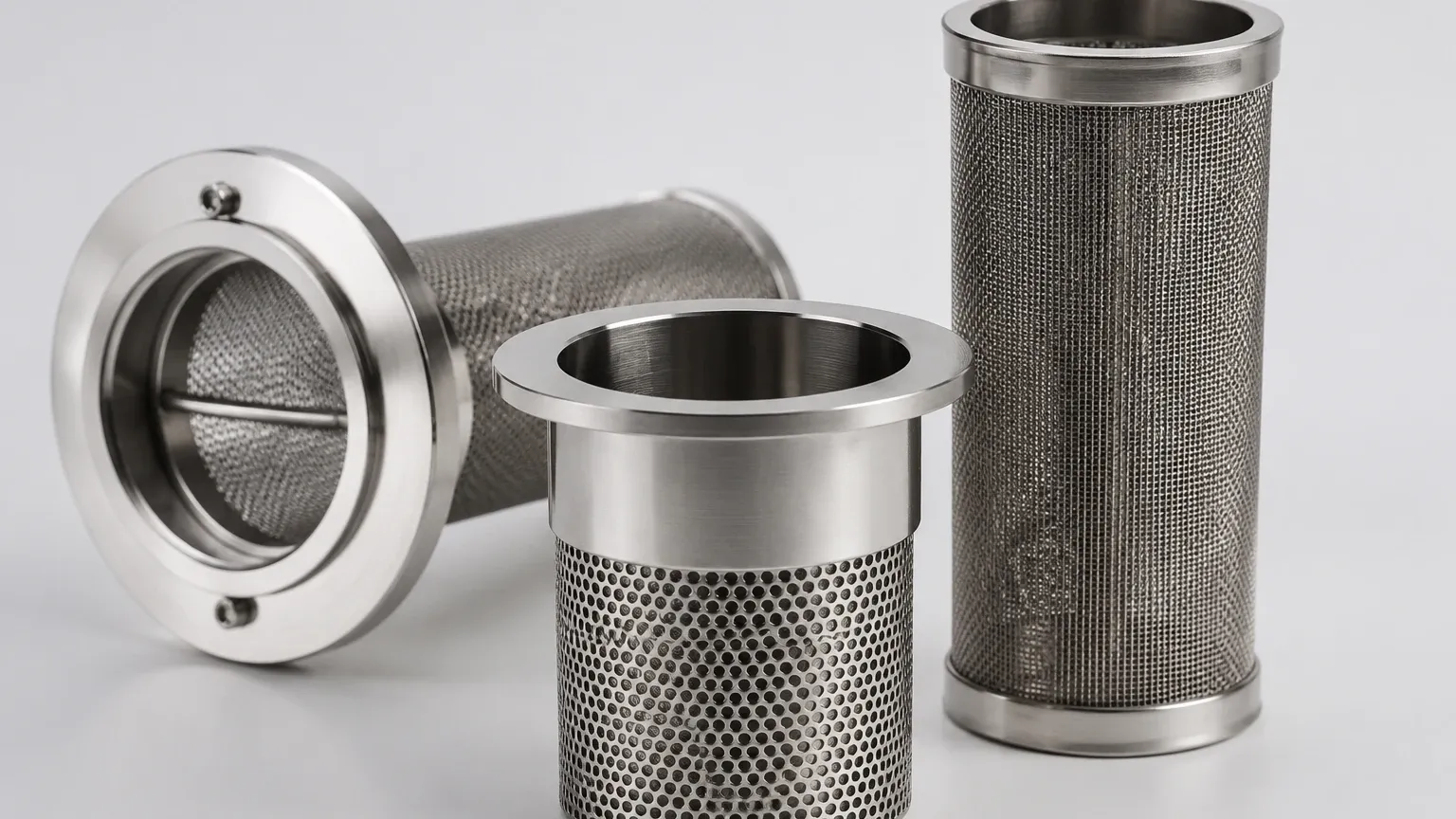
A basket strainer extension tube is a precision-engineered riser or spacer designed to extend the vertical or horizontal reach of a strainer assembly. Its primary purpose is to bridge the gap between the inlet/outlet ports of a piping system and the actual filtration media located within a housing or vessel.
In many industrial applications, the physical location of the fluid intake does not align perfectly with the standard dimensions of a filter basket. This is common in chemical processing plants where large-scale mixing tanks require filtration at specific depths, or in water treatment facilities where sumps are significantly deeper than standard filter housings.
By utilizing a basket strainer extension tube, operators can ensure that the filter basket is positioned exactly where the fluid flow is most concentrated. This prevents "dead zones" within the vessel where sediment could accumulate and ensures that the entire surface area of the stainless steel mesh is utilized, thereby extending the time between cleaning cycles and reducing the total cost of ownership.
Technical Specifications and Material Selection
Industrial environments demand materials that can withstand corrosive fluids, high pressures, and extreme temperatures. Because the extension tube is in constant contact with the process media, material selection is the most critical factor in its engineering.
Stainless Steel Grades
Most industrial extension tubes are manufactured from high-grade stainless steel due to its durability and resistance to oxidation.
* SS304: Suitable for general industrial applications, including water treatment and non-corrosive chemical handling. It provides excellent structural integrity and cost-effectiveness.
* SS316/316L: The standard for pharmaceutical, food and beverage, and aggressive chemical environments. The addition of molybdenum enhances resistance to pitting and crevice corrosion, particularly in chloride-rich environments.
* Duplex Stainless Steel: For high-pressure hydraulic systems or desalination projects, duplex alloys may be used to provide superior yield strength and stress corrosion cracking resistance.
Wall Thickness and Pressure Ratings
The wall thickness of the basket strainer extension tube must be calculated based on the maximum operating pressure of the system, including potential pressure spikes. Engineers must ensure that the tube does not deform under vacuum conditions or burst under high-pressure surges. Standard schedules (such as Schedule 10, 40, or 80) are typically followed, but custom wall thicknesses are often required for specialized OEM applications.
Engineering Challenges: Pressure Drop and Flow Dynamics
Integrating an extension tube into a filtration system introduces new variables into the hydraulic equation. The most significant concern for engineers is the impact on pressure drop ($ΔP$).
Laminar vs. Turbulent Flow
An extension tube increases the distance the fluid must travel before reaching the filter media. If the interior surface of the tube is not polished or if the transitions between the tube and the strainer are abrupt, it can induce turbulence. Turbulent flow increases energy consumption by requiring higher pump pressures to maintain the same flow rate. Precision manufacturing ensures that the internal diameter (ID) of the extension tube matches the strainer inlet perfectly, minimizing flow disruption.
Velocity Considerations
Fluid velocity within the extension tube must be managed to prevent erosion of the tube walls and to ensure that particles are carried into the basket rather than settling in the extension itself. If the velocity is too low, heavy solids may drop out of suspension within the tube, potentially causing a blockage that is difficult to reach during standard maintenance.
Customization Options for Diverse Piping Configurations
No two industrial facilities are identical, which makes customization a hallmark of effective filtration solutions. A basket strainer extension tube can be tailored in several ways to meet specific site requirements:
1. Length and Reach: Tubes can range from a few inches to several feet. For deep-well applications, multi-segment extension tubes may be used to allow for easier installation and removal within confined spaces.
2. Connection Types: Depending on the system's requirements for leak prevention and ease of disassembly, extension tubes can be equipped with:
* Flanged Ends: Ideal for high-pressure systems where a secure, bolted connection is required.
* Threaded Connections: Common in smaller diameter piping where quick assembly is prioritized.
* Quick-Disconnect (Camlock): Used in applications requiring frequent cleaning or mobile filtration units.
* Sanitary Tri-Clamp: Essential for food, beverage, and pharmaceutical applications to ensure no bacteria-harboring crevices exist.
3. Surface Finish: For high-purity industries, the internal and external surfaces of the extension tube may undergo electropolishing to achieve a specific Ra (Roughness Average) value, preventing particulate adhesion.
Installation Protocols and Maintenance Requirements
Proper installation is vital to ensure that the basket strainer extension tube does not become a point of failure. During installation, engineers must verify the alignment of the tube with the housing to prevent side-loading on the gaskets or seals.
Sealing Integrity
The interface between the extension tube and the Strainers & Baskets must be perfectly sealed. Depending on the chemical compatibility of the process fluid, gaskets made of EPDM, Viton, PTFE, or Buna-N are utilized. A failure in this seal can lead to "bypass," where unfiltered fluid moves around the basket and back into the downstream process, potentially damaging sensitive equipment like pumps or spray nozzles.
Maintenance Accessibility
One of the primary engineering considerations when adding an extension tube is how it will affect the ease of basket removal. If the extension tube makes the basket too heavy or difficult to reach, it may lead to neglected maintenance. In such cases, lifting handles, davit arms, or specialized extraction tools should be integrated into the design of the extension assembly.
Procurement Considerations for Engineering Teams
When sourcing a basket strainer extension tube, purchasing teams should look beyond the initial cost and evaluate the long-term performance metrics. A poorly manufactured extension tube can lead to catastrophic system failure or chronic leakage.
Verification of OEM Compatibility
If the extension tube is being purchased as an aftermarket component, it is crucial to confirm that the tolerances match the original equipment manufacturer (OEM) specifications. Even a millimeter of variance in the flange diameter or the seat depth can compromise the filtration efficiency.
Quality Documentation
For regulated industries, such as pharmaceuticals or oil and gas, procurement should request material test reports (MTRs) and certificates of compliance. These documents verify the chemical composition of the stainless steel and ensure that the component meets the required industrial standards (such as ASME, ASTM, or DIN).
Total Cost of Ownership (TCO)
While a custom-fabricated extension tube may have a higher upfront cost than a standard off-the-shelf component, its ability to reduce pressure drop, prevent bypass, and simplify maintenance often results in a lower TCO over the life of the system. Investing in high-quality stainless steel construction reduces the frequency of replacements in corrosive environments.
Conclusion
The basket strainer extension tube is more than a simple piece of pipe; it is a specialized component that allows industrial filtration systems to adapt to the realities of complex plant layouts. By ensuring proper positioning of the filter media, maintaining hydraulic efficiency, and providing a robust seal against bypass, these tubes play an indispensable role in protecting downstream equipment and ensuring product purity.
Whether retrofitting an existing system or designing a new process line, engineers must prioritize material quality, precision dimensions, and ease of maintenance when selecting extension components for their Strainers & Baskets. Working with a manufacturer that understands the nuances of custom stainless steel fabrication ensures that the filtration system remains reliable even in the most demanding industrial environments.
