


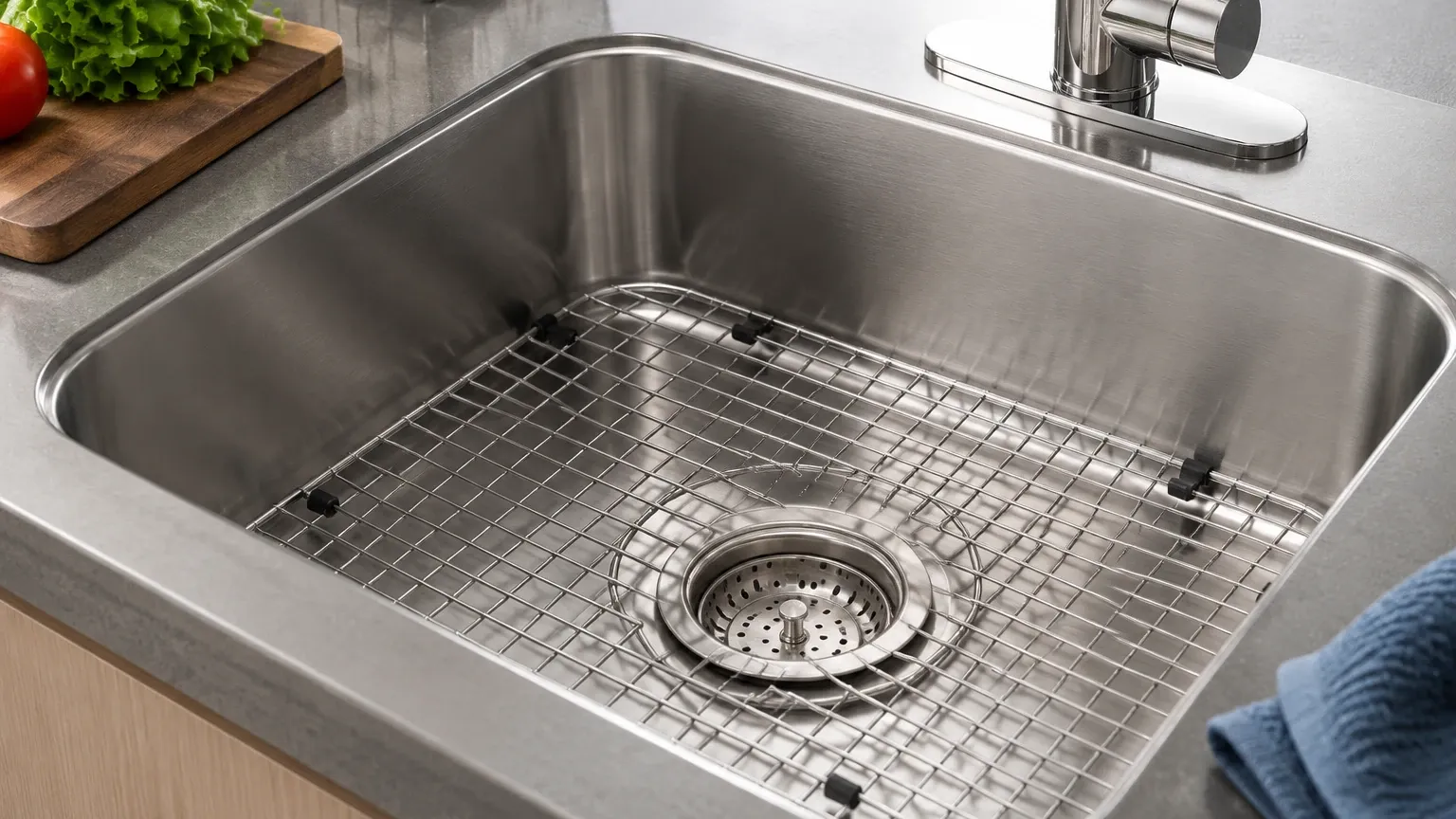
Basket Strainer Grid Kitchen Sink Drain
In industrial and commercial plumbing environments, the basket strainer grid kitchen sink drain is more than a simple hardware fixture; it is a critical primary filtration component. For engineers and facility managers, selecting the correct strainer assembly involves evaluating material properties, flow dynamics, and mechanical durability to ensure long-term operational efficiency. While often associated with residential use, high-performance basket strainers are essential in commercial kitchens, food processing facilities, and laboratories where debris management is vital to preventing downstream blockages and maintaining hygiene standards.
Kaifil specializes in the precision manufacturing of Strainers & Baskets designed to meet the rigorous demands of industrial applications. Understanding the technical nuances of these components—from the grid pattern to the alloy composition—is fundamental to optimizing drainage systems and reducing maintenance overhead.
Understanding the Engineering of Basket Strainer Grids
The "grid" of a basket strainer refers to the perforated or mesh section that allows fluid to pass while capturing solids. In a B2B context, the design of this grid must balance two competing factors: filtration efficiency and flow rate. A grid with smaller apertures will capture finer debris but may lead to frequent clogging and reduced drainage speed, which can be detrimental in high-volume commercial environments.
Engineering considerations for the grid include:
* Aperture Geometry: Round perforations are standard for general-purpose drainage, providing a good balance of strength and open area. However, slotted or square patterns may be utilized in specific industrial applications to handle different types of particulate matter.
* Open Area Ratio: This is the percentage of the grid surface that consists of holes. A higher open area ratio reduces the pressure drop across the strainer, ensuring rapid drainage. For commercial sink applications, an open area of 40% to 60% is typically targeted to prevent water backup during heavy usage.
* Structural Rigidity: The grid must withstand the mechanical stress of heavy debris loads and the thermal shock of rapid temperature changes (e.g., transitioning from boiling water to cold rinse cycles). Precision stamping and laser-cutting techniques ensure that the grid remains flat and functional over thousands of cycles.
Material Selection for High-Durability Drainage Components
Material selection is the most significant factor in determining the lifecycle of a basket strainer grid kitchen sink drain. In industrial settings, standard chrome-plated brass or plastic components often fail due to corrosion, chemical exposure, or mechanical wear. Stainless steel is the industry standard for high-performance filtration and drainage.
Type 304 Stainless Steel
Type 304 is the most common material used for high-quality basket strainers. It offers excellent resistance to atmospheric corrosion and is suitable for most food-grade applications. It provides the necessary tensile strength to maintain the integrity of the basket shape even under heavy loads.
Type 316 Stainless Steel
For environments involving high salinity, acidic cleaning agents, or harsh chemicals (such as in pharmaceutical laboratories or coastal food processing plants), Type 316 stainless steel is preferred. The addition of molybdenum enhances its resistance to pitting and crevice corrosion, significantly extending the component's service life in aggressive environments.
Surface Finishes
Beyond the base alloy, the surface finish of the grid plays a role in hygiene. Electropolished or passivated surfaces reduce the adherence of organic matter and bacteria, making the strainer easier to clean and ensuring compliance with strict sanitary regulations.
Flow Dynamics and Debris Retention in Industrial Strainers & Baskets
The performance of a basket strainer is measured by its ability to protect the plumbing infrastructure while maintaining a consistent flow. In commercial operations, a failure in the drainage system can lead to costly downtime and health code violations.
When evaluating Strainers & Baskets, engineers must consider the "dirt holding capacity." This refers to the volume of solids the basket can retain before the flow rate is significantly impeded. A deep-basket design is often utilized in commercial settings to increase this capacity, allowing for longer intervals between manual cleanings.
Fluid dynamics also dictate the shape of the strainer. Tapered baskets help direct the flow toward the center, while flat-bottomed grids are often used in shallow sink configurations. The interface between the grid and the drain body must be precision-engineered to prevent "bypass," where small particles escape around the edges of the strainer and enter the waste line.
Customization Options for Specialized Filtration Requirements
Standard off-the-shelf drainage solutions often fail to meet the specific requirements of specialized industrial equipment. Kaifil provides extensive OEM and customization capabilities to address these unique challenges. When a standard basket strainer grid kitchen sink drain is insufficient, custom engineering becomes necessary.
Customization variables include:
* Custom Dimensions: Non-standard diameters and depths to fit proprietary equipment or legacy plumbing systems.
* Variable Micron Ratings: Utilizing fine wire mesh overlays on a perforated basket to capture smaller particulates that standard grids would miss.
* Integrated Handles and Locking Mechanisms: In high-vibration environments or applications where the basket must be securely fixed, custom locking tabs or heavy-duty handles can be integrated into the design.
* Reinforced Structures: For applications involving high-pressure washdowns, the basket may require additional support ribs or thicker gauge material to prevent deformation.
By working closely with a manufacturer like Kaifil, procurement teams can ensure that the filtration components are perfectly matched to the operational demands of their facility.
Maintenance and Lifecycle Management of Stainless Steel Strainers
The total cost of ownership (TCO) for drainage components is heavily influenced by maintenance requirements. A well-designed basket strainer grid kitchen sink drain should be easy to remove, clean, and reinstall without the need for specialized tools.
Cleaning Protocols
In food processing and commercial kitchens, organic buildup can lead to biofilm formation. Stainless steel baskets allow for aggressive cleaning protocols, including the use of high-temperature steam and caustic detergents, which would degrade inferior materials. Regular inspection of the grid for signs of mechanical fatigue or localized corrosion is essential for maintaining system integrity.
Replacement Cycles
While high-quality stainless steel strainers are durable, they are considered wear parts. Over time, the constant friction of debris and the chemical impact of cleaners will necessitate replacement. Standardizing on a specific size and material grade across a facility can simplify inventory management and ensure that replacements are always on hand to prevent emergency plumbing repairs.
Selecting the Right Strainer for Commercial and Industrial Applications
For purchasing departments and engineers, the selection process should begin with a clear definition of the application's parameters. A basket strainer intended for a high-volume restaurant sink has different requirements than one intended for a chemical processing wash station.
Key questions to address during the selection process include:
1. What is the primary particulate size? This determines the necessary grid aperture or mesh count.
2. What chemicals will the strainer be exposed to? This dictates whether SS304 or SS316 is required.
3. What is the peak flow rate? This ensures the open area of the grid is sufficient to prevent flooding.
4. Are there specific regulatory requirements? (e.g., NSF/ANSI standards for food equipment).
By prioritizing technical specifications over initial cost, organizations can avoid the significant expenses associated with pipe blockages, water damage, and frequent component failure. High-quality Strainers & Baskets represent a small but vital investment in the overall reliability of a facility's fluid management system.
Conclusion
The basket strainer grid kitchen sink drain serves as the first line of defense in protecting complex plumbing and filtration systems. Whether in a commercial kitchen or an industrial processing plant, the quality of this component directly impacts operational uptime and hygiene. By focusing on material integrity, precision engineering, and application-specific design, Kaifil provides the industrial sector with reliable filtration solutions that stand up to the most demanding environments. When selecting these components, engineers should look beyond simple aesthetics and evaluate the technical performance characteristics that ensure long-term durability and efficiency.
